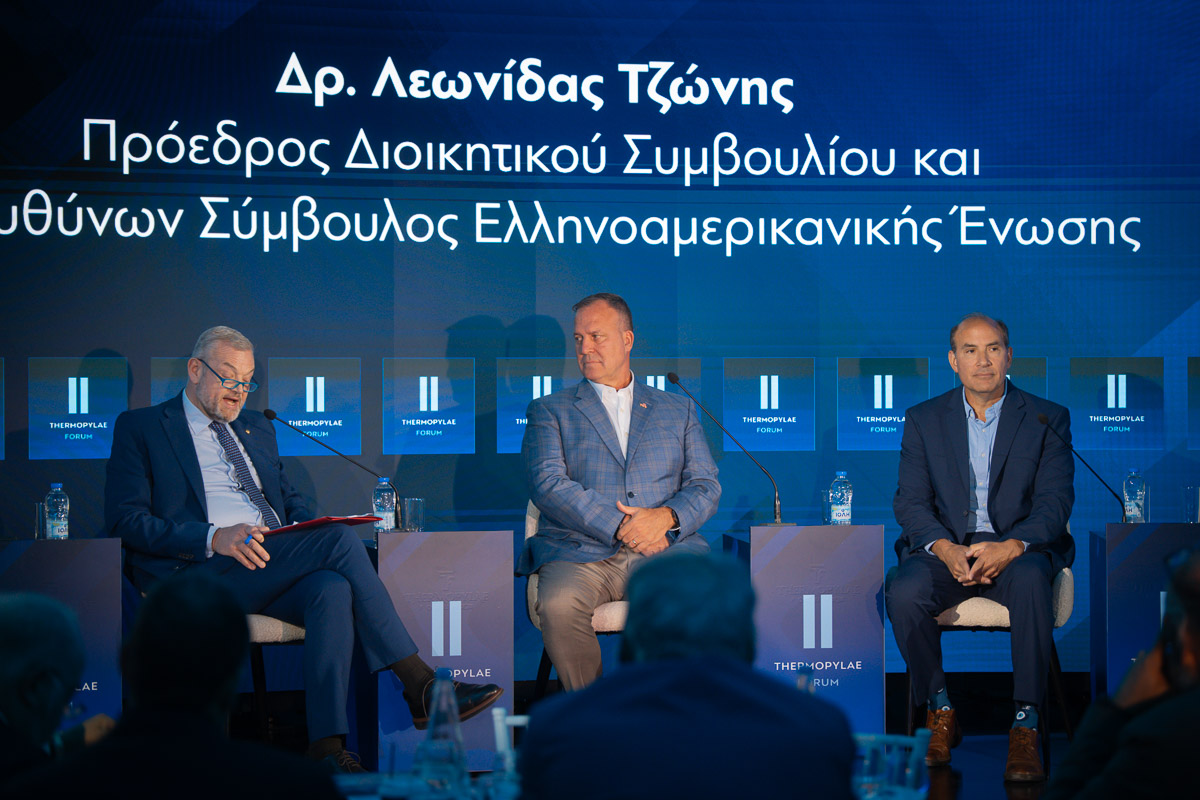
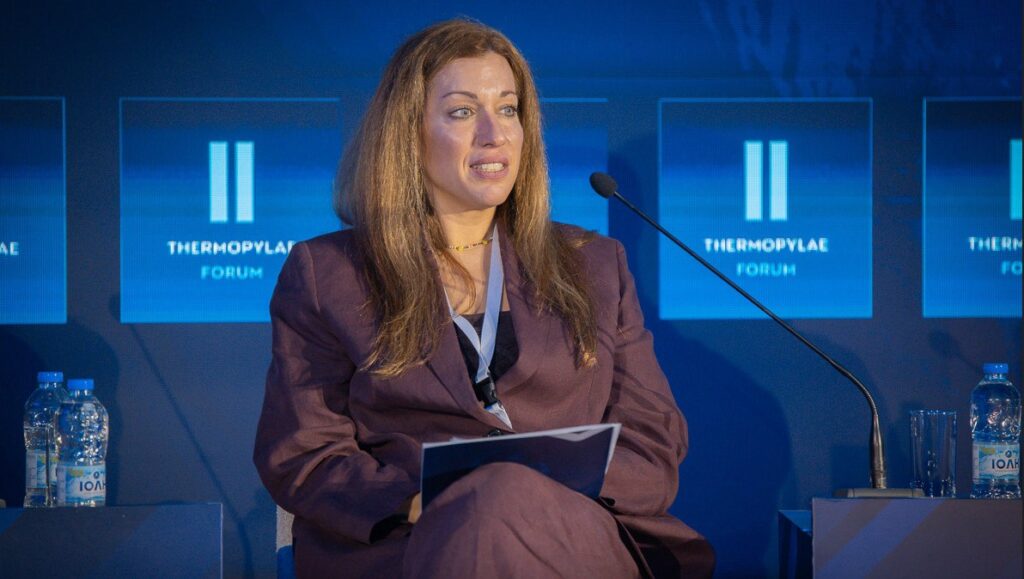
Danai Makri, Head of Strategy and Content at The Design Ambassador, highlighted the power of architecture and the built environment to create value and reflect the identity of each era, during the Thermopylae Chat titled “Building a Greener Lamia with Vision.”
Ms. Makri began by outlining the work of the company she represents, which specializes in communications for the built environment. As she explained, its work focuses on fostering dialogue between architecture, design and art, other academic and professional disciplines, and the wider public through architectural projects, strategic communication initiatives, international events, documentary productions and publications.
“We cannot imagine a building in isolation from the historical context of its time. Buildings are, in essence, what communicate the values, aspirations and priorities of each era,” she stressed.
To illustrate the relationship between place, history and values, Ms. Makri drew on examples from different periods: ancient Athens, where democracy could not have emerged without the Agora, and the Pnyx, which connected religious worship with political life and civic participation. Similarly, Notre-Dame Cathedral became a focal point around which Paris developed, while Bilbao was transformed into a global design destination in the 1990s, largely thanks to the Guggenheim Museum.
“There can be no space or life for people without a built environment,” she emphasized

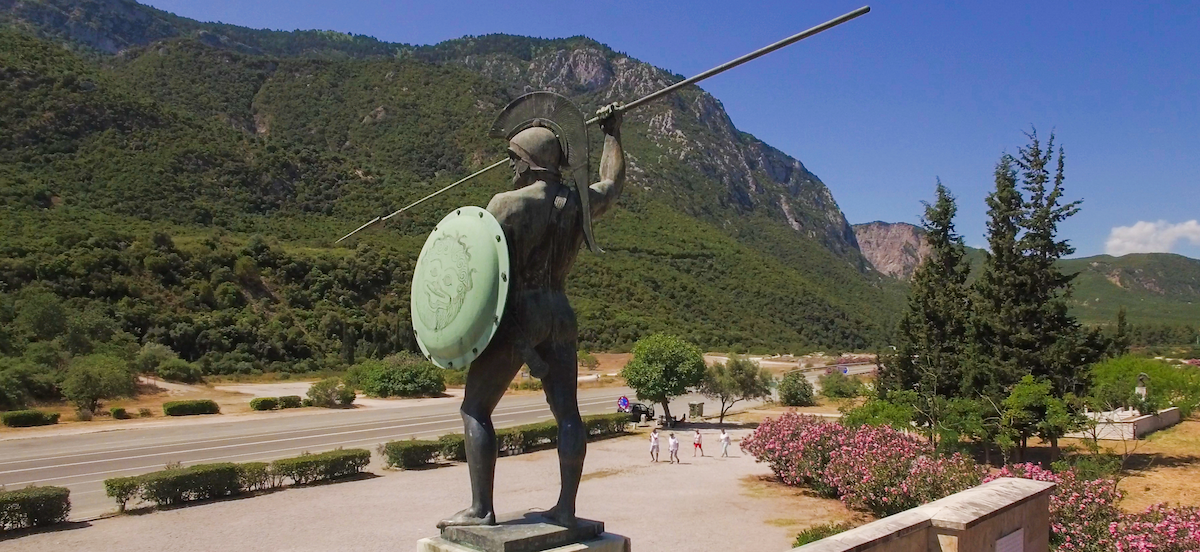
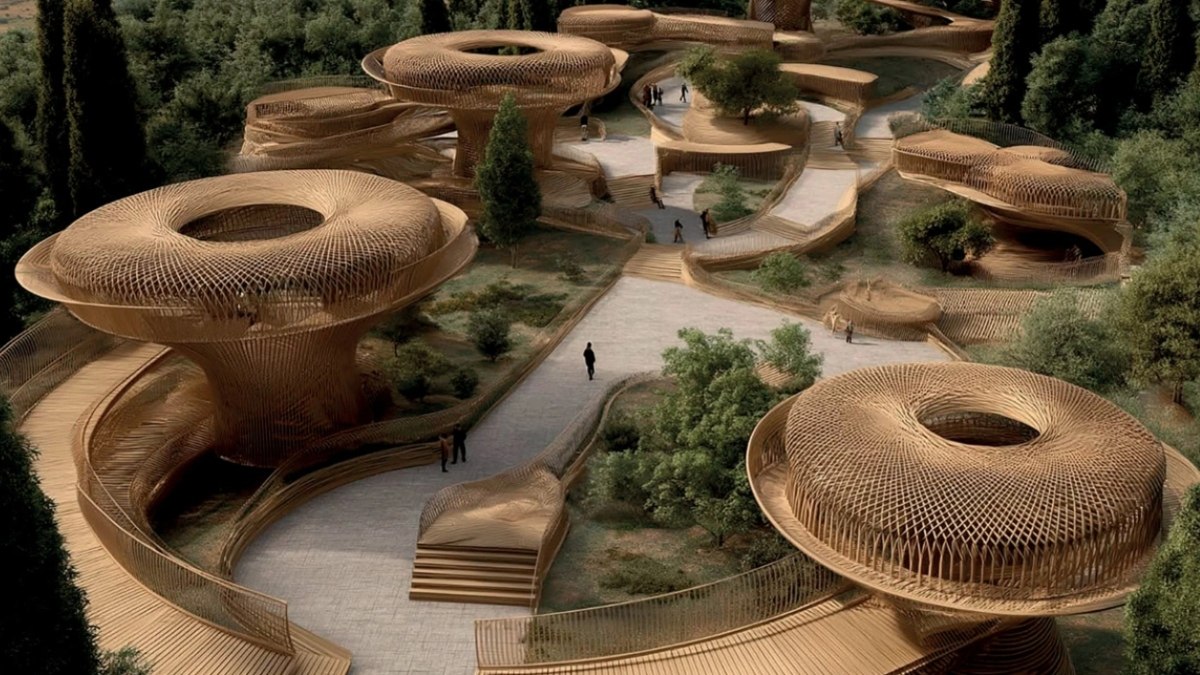
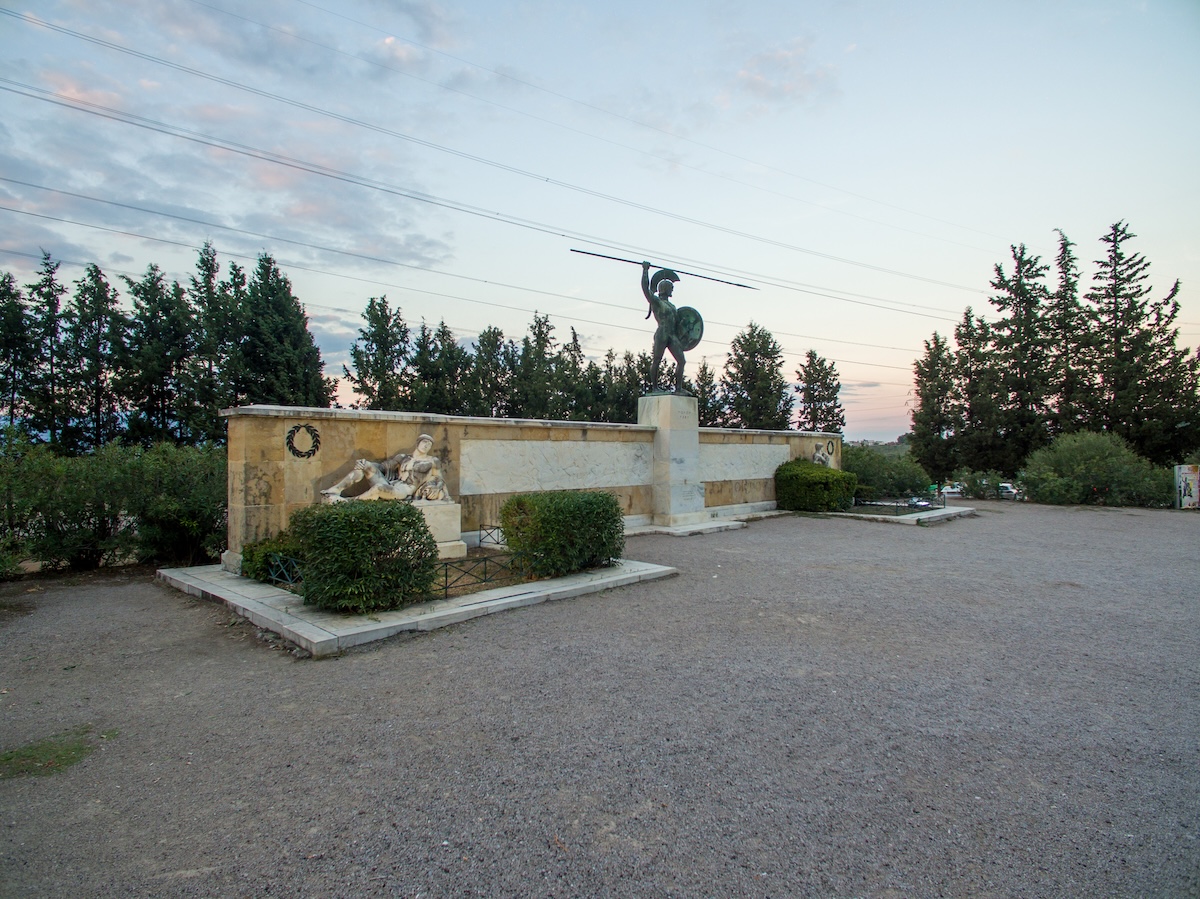
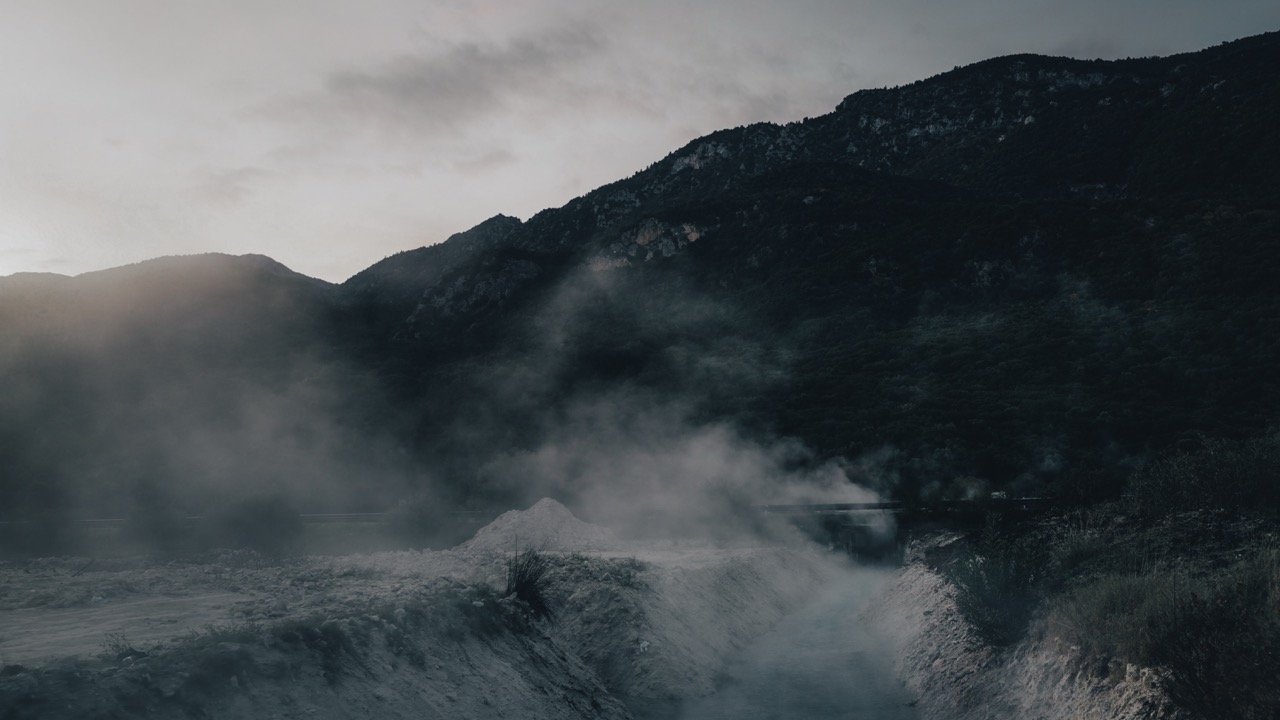
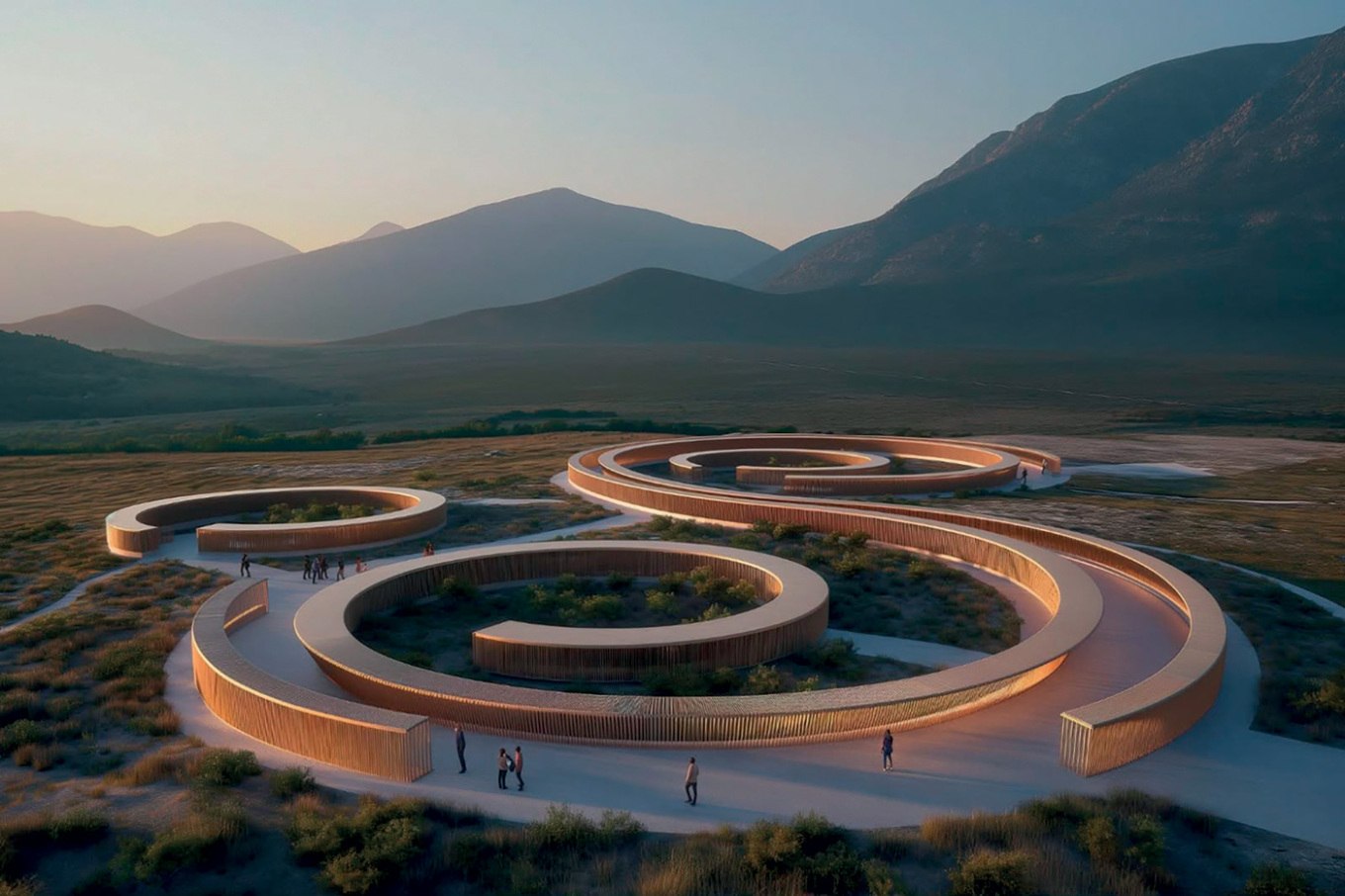
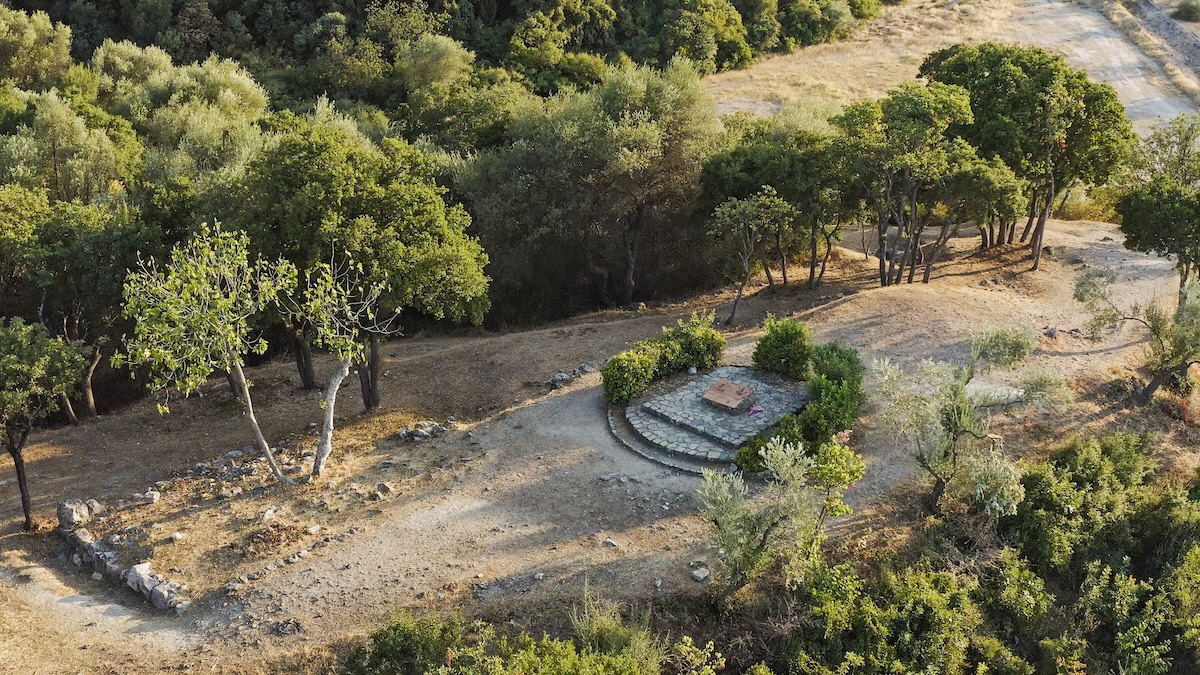
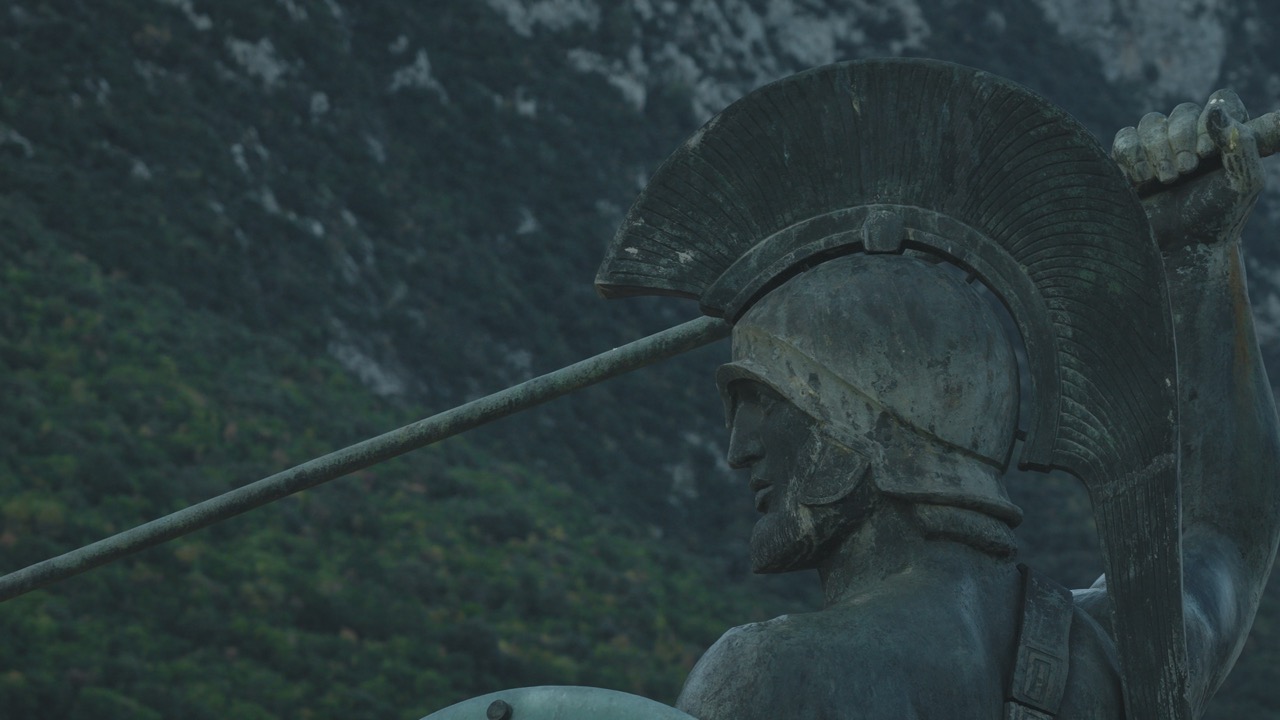
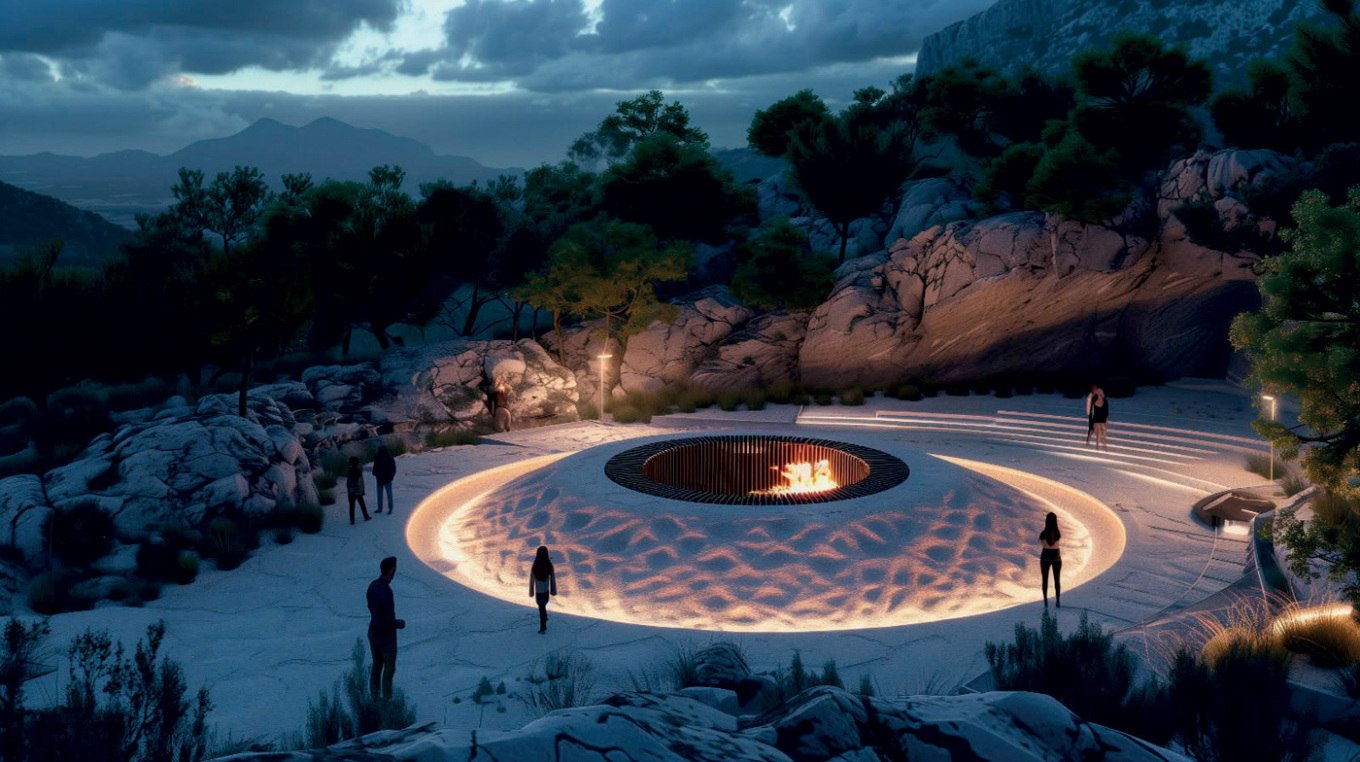
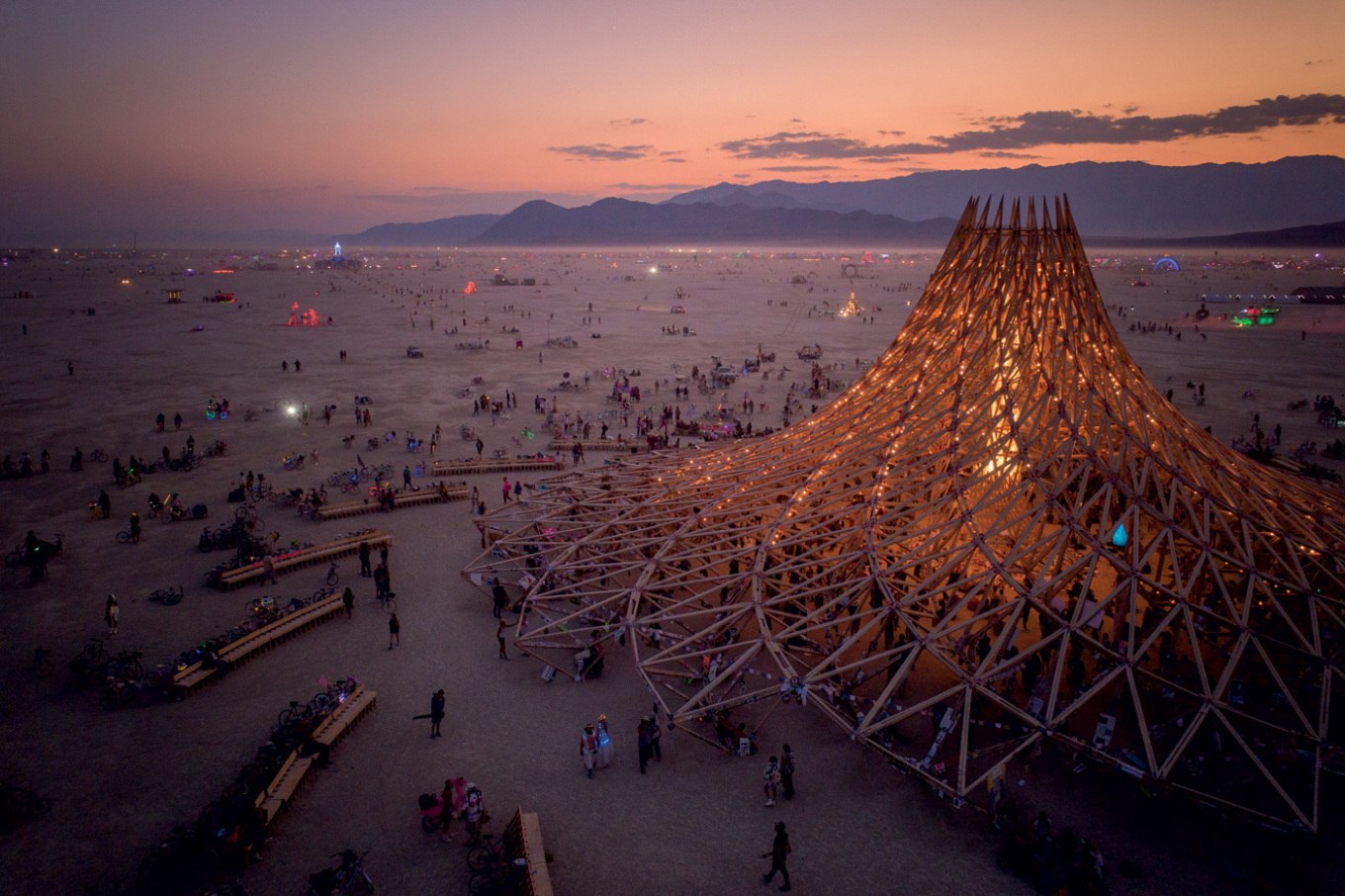
At the heart of her remarks was a proposal for the creation of a new museum at Thermopylae, developed through a participatory design process. As she explained, participatory design should be applied to the historic site of Thermopylae so that we can all become “makers”, sharing and contributing to a common body of knowledge. In this context, Ms. Makri also highlighted the role of temporary architecture, which can quickly activate a site and bring its symbolic significance to the forefront.
With this approach in mind, she noted that renowned French architect Arthur Mamou-Mani carried out an extensive study of Thermopylae and the site’s cultural integrity. According to Ms. Makri, the creation of a temporary museum could effectively pave the way for a permanent development at this iconic historic site.
Danai Makri’s remarks reflected the panel’s broader message: that the vision for a greener, more people-centered Lamia and the wider region must be translated into concrete action, with the built environment serving as a vehicle for values, memory and collective identity.