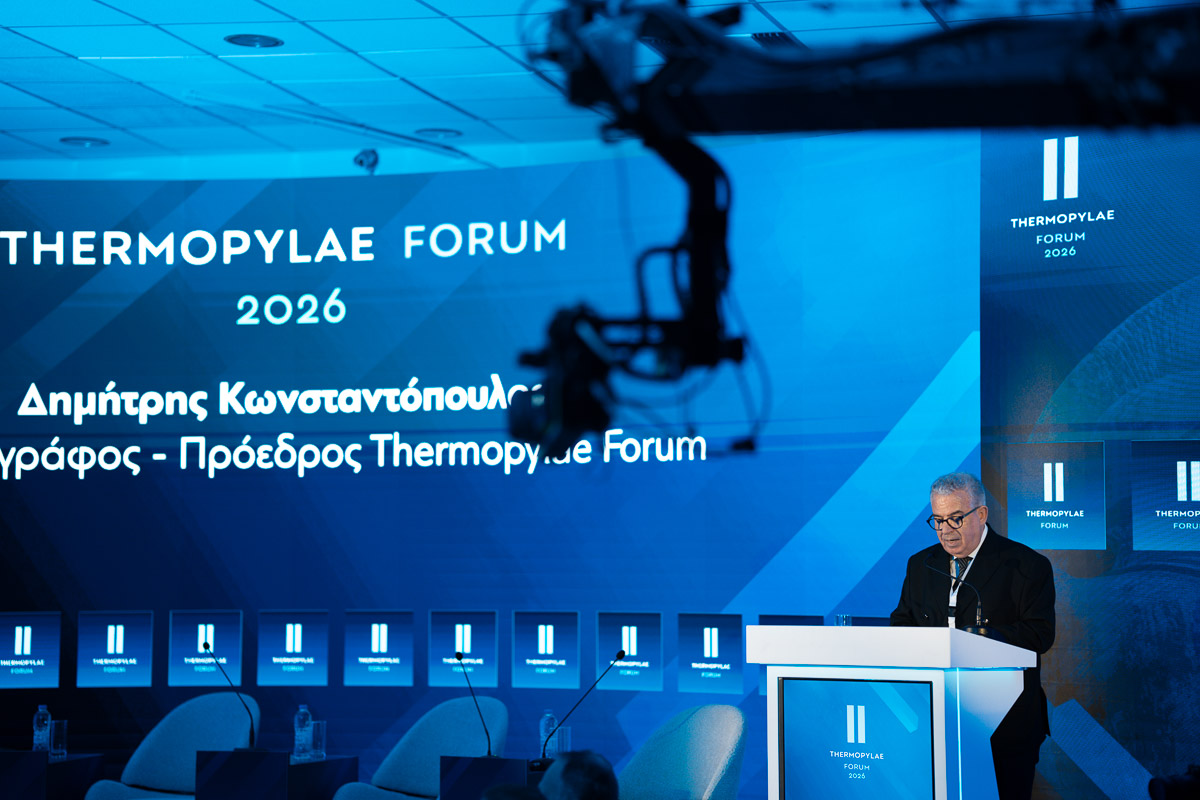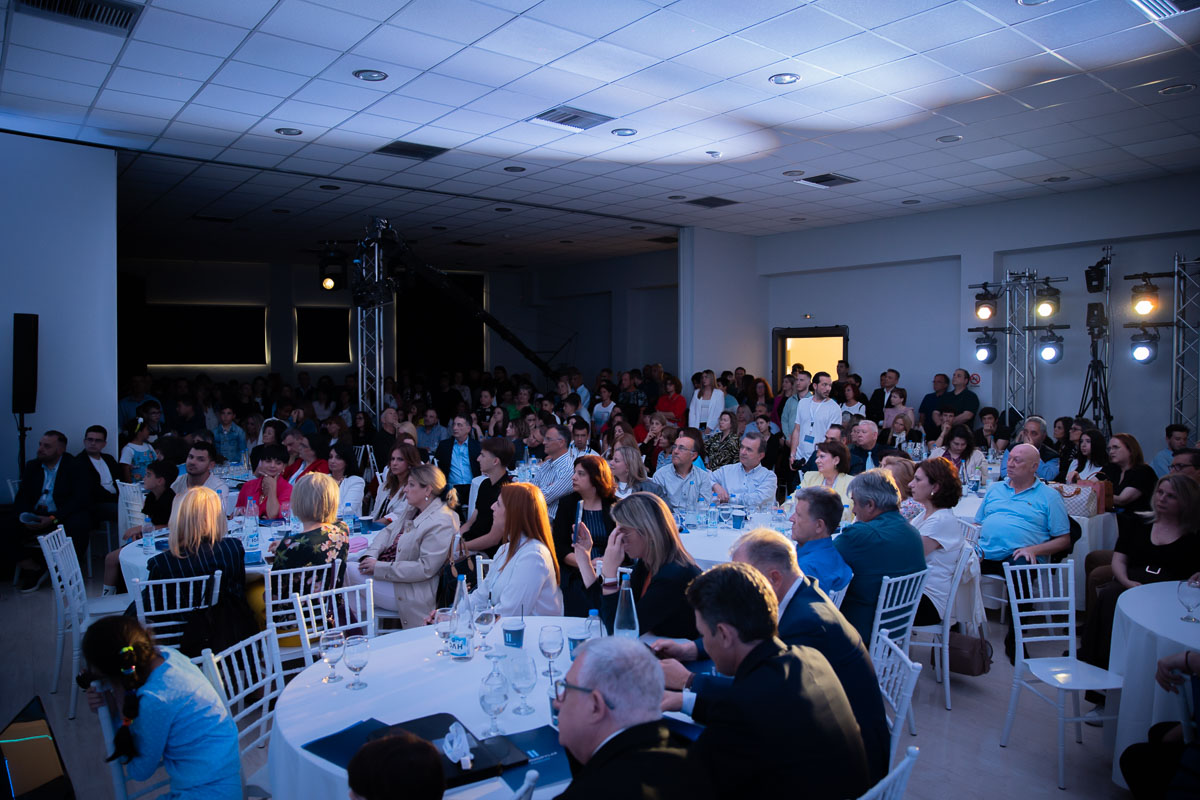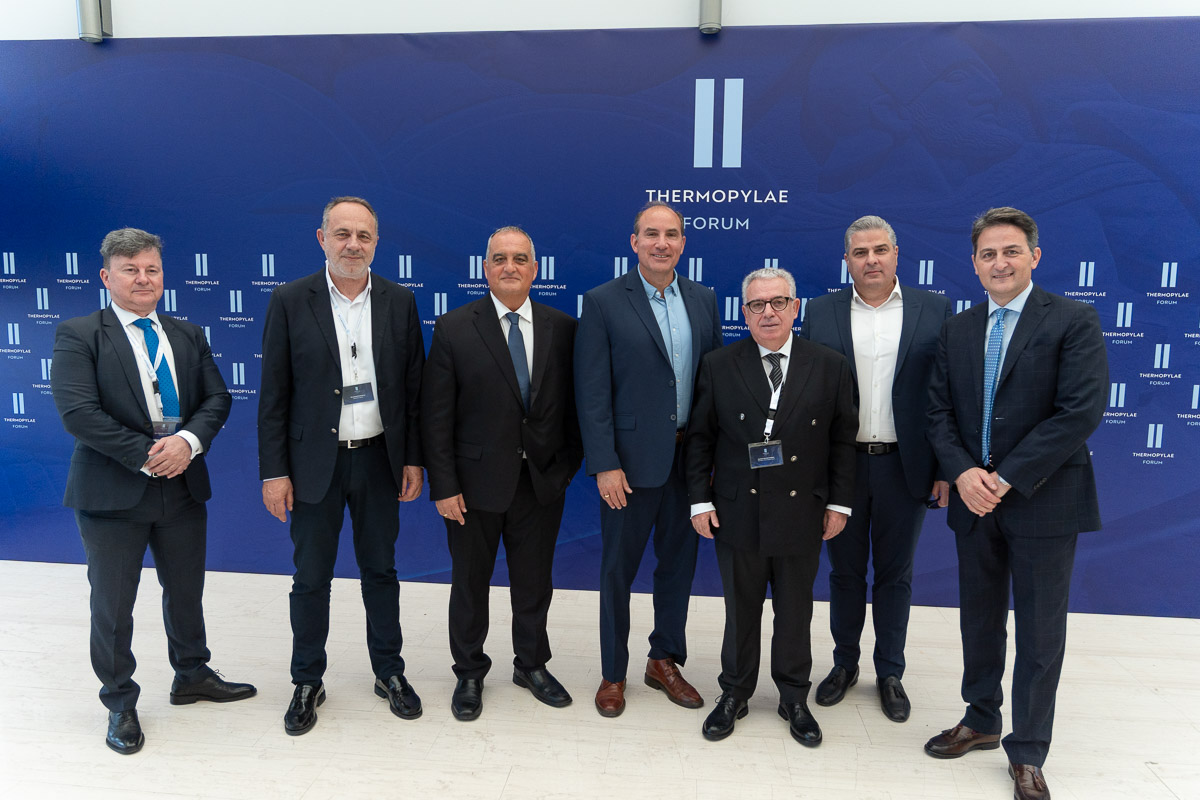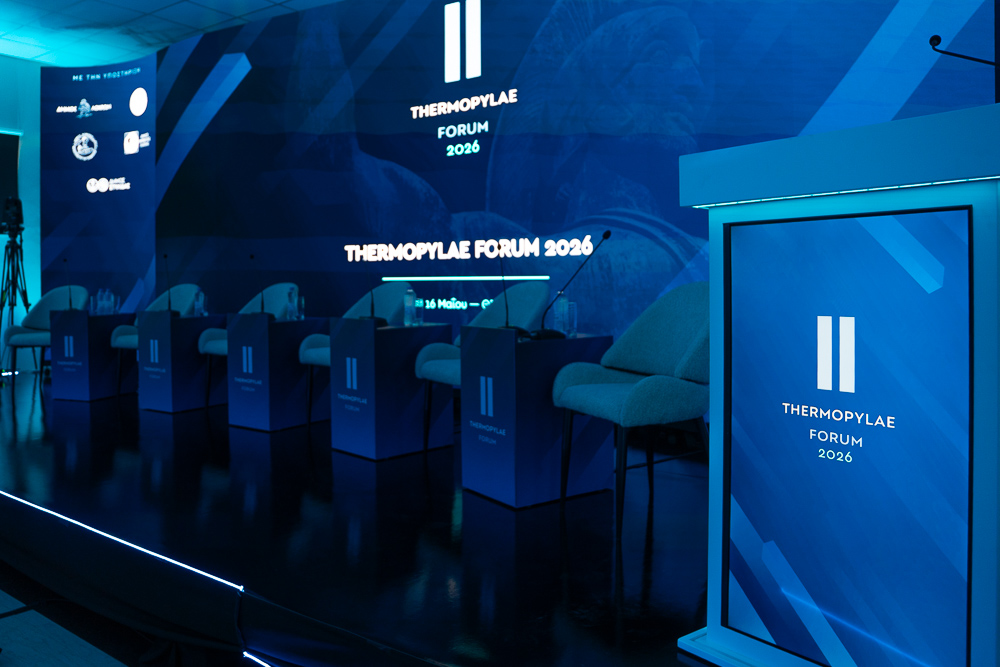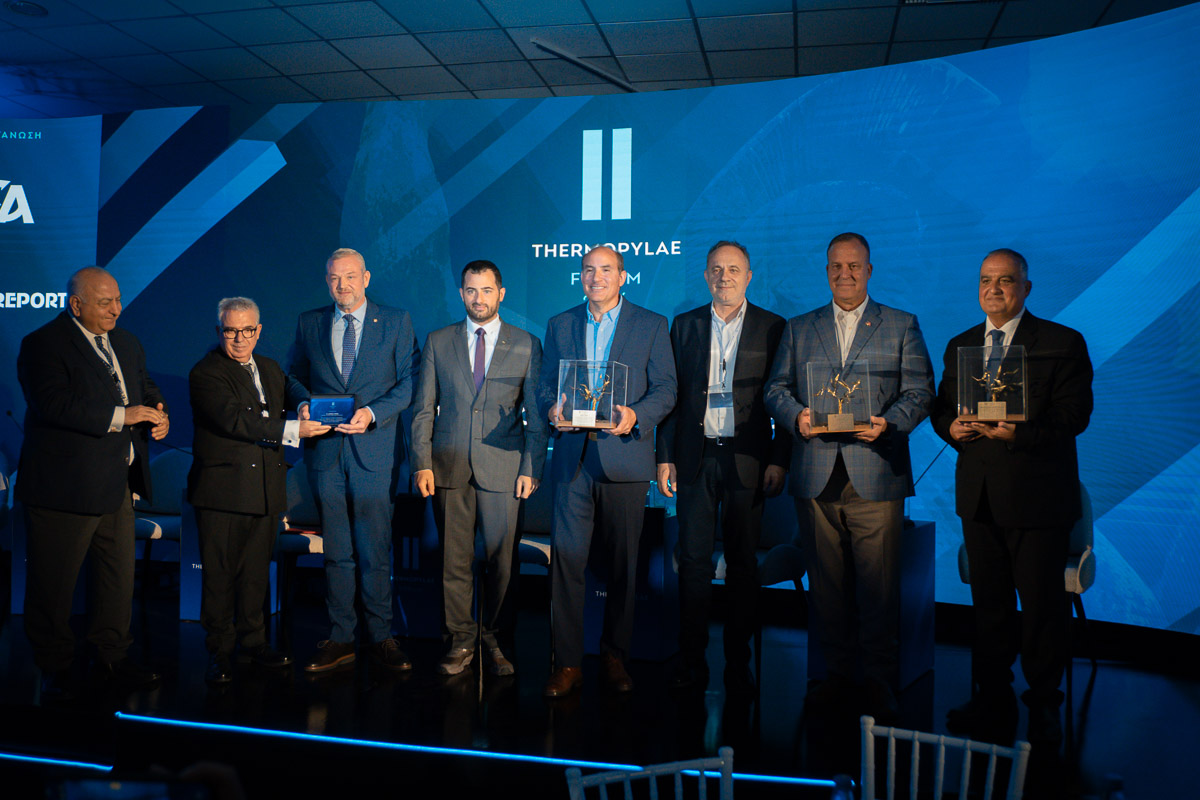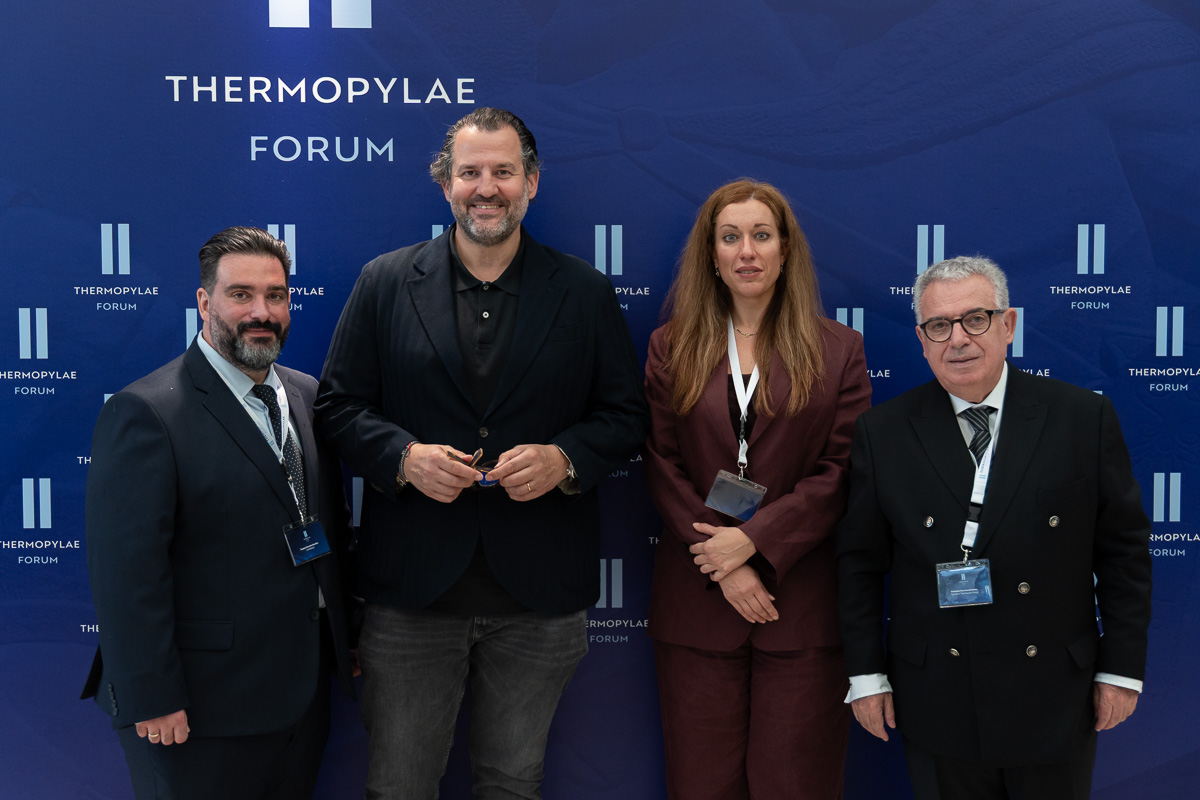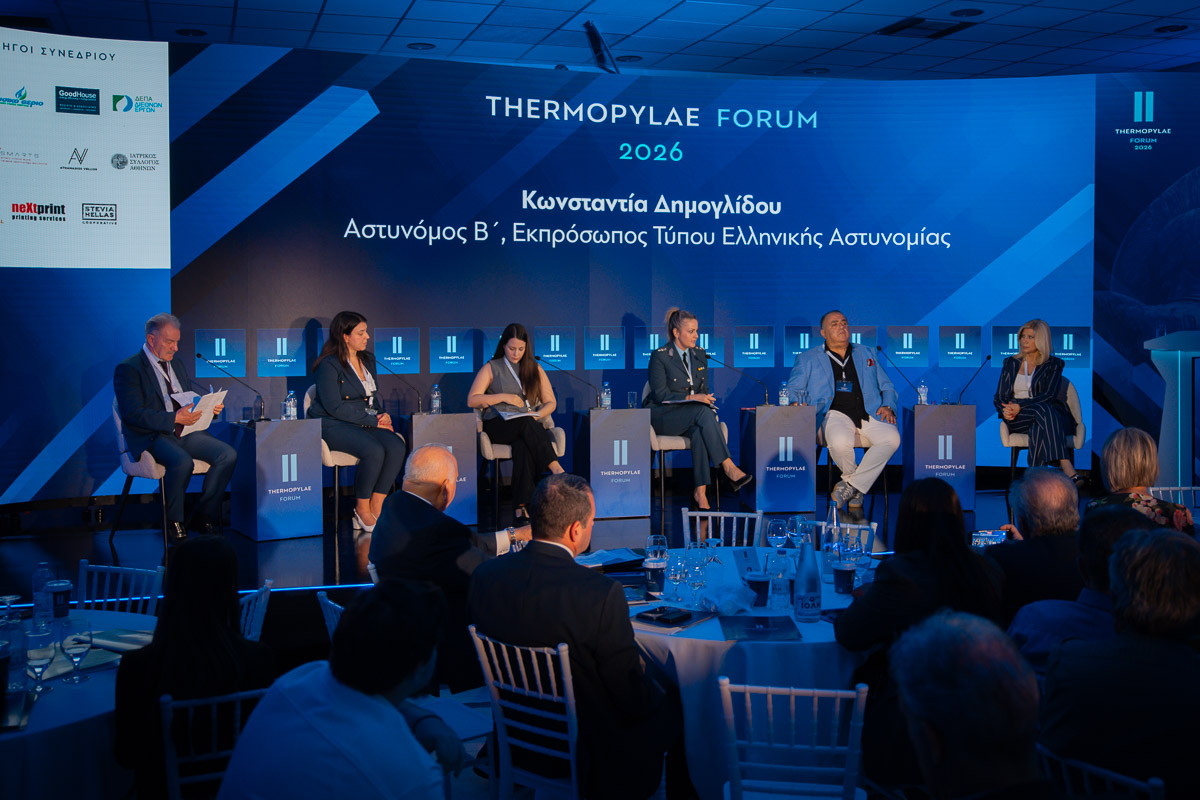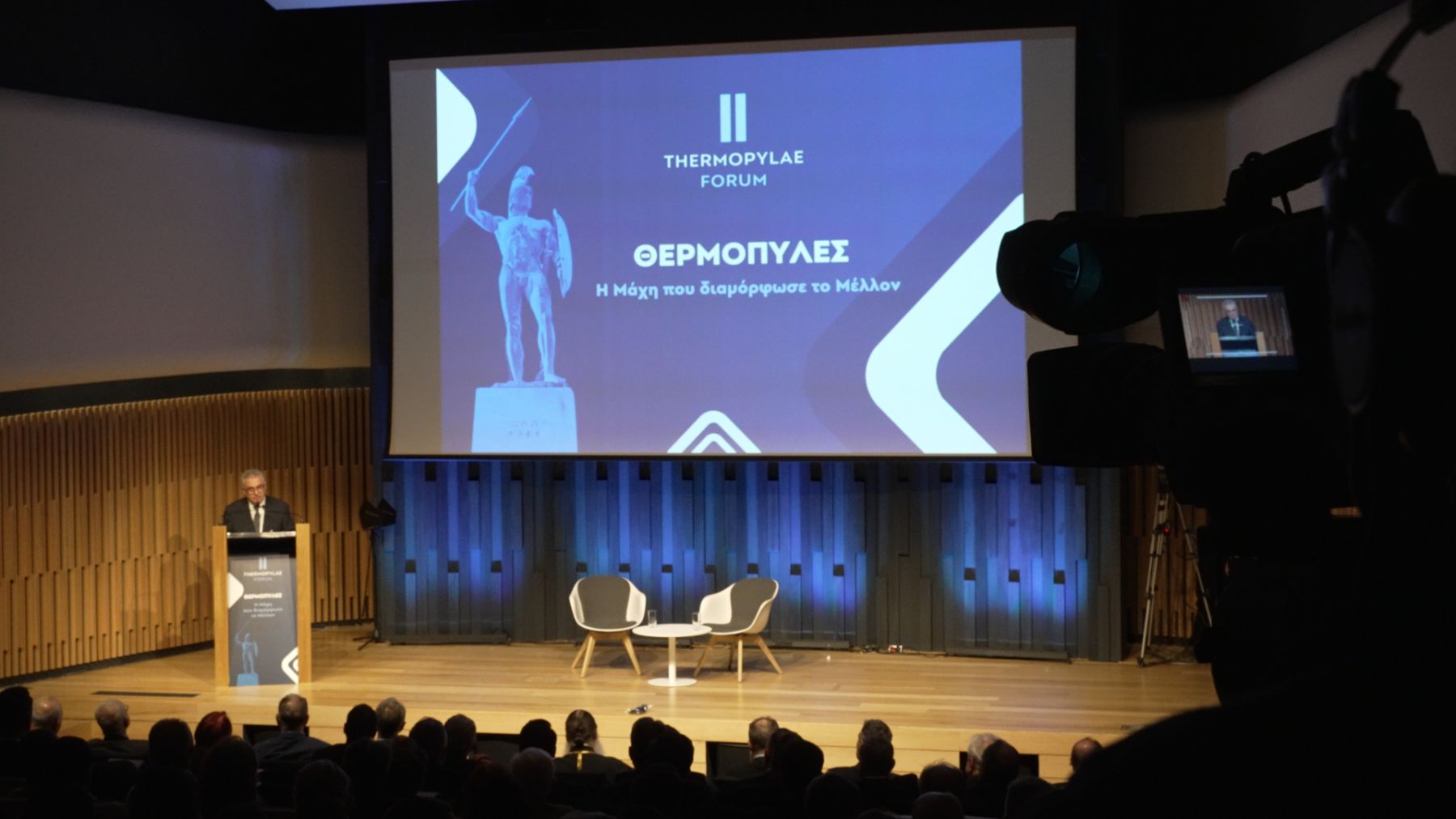
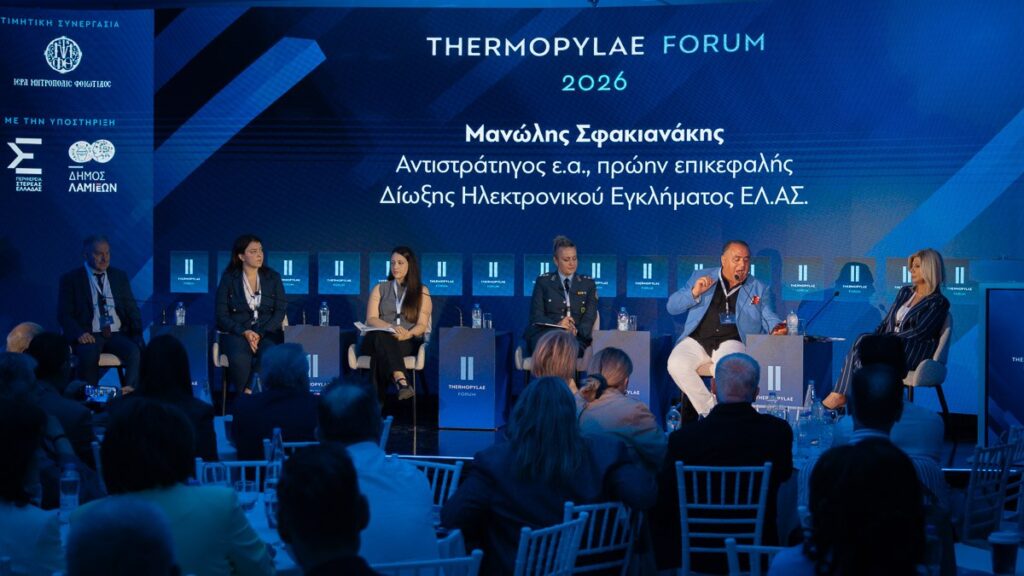
“Minors in crisis: What is happening with young people? Delinquency, addiction & the influence of the digital world” was the highly interesting and timely topic discussed at the Thermopylae Forum 2026, where experienced speakers brought important truths to the panel.
With deep concern over the behaviour and mental state of young people, the 4th thematic session of the Thermopylae Forum 2026 was held under the title “Minors in Crisis: What Is Happening with Young People? Delinquency, Addiction & the Influence of the Digital World,” bringing to the forefront a multifactorial social issue of growing dimensions.
At the heart of the discussion, held today, Saturday, May 16, at the Innovative Centre of Historical Information of Thermopylae, was the changing nature of juvenile delinquency, which now appears more violent and at increasingly younger ages, as well as the decisive influence of the digital environment in shaping behaviours and role models. The interventions highlighted the role of social media and algorithms in children’s daily lives, as well as the inability or delay of traditional structures, such as the family and school, to respond promptly to the new conditions.

Particular emphasis was placed on the need for prevention and early intervention, with the speakers pointing out that phenomena such as violence, abuse and self-harm cannot be addressed in a fragmented or purely repressive manner, but require coordinated action and the strengthening of support mechanisms for minors.
At the same time, the importance of establishing rules in the digital environment was highlighted, along with the need to strengthen digital literacy and protect children from harmful content.

Retired Hellenic Police Lieutenant General and former Head of the Cyber Crime Division, Manolis Sfakianakis, stated:
“We do not have a problem with minors; we have a problem with adults who abandoned their children to algorithms. TikTok took over their upbringing, YouTube became the ‘father,’ Instagram defined their value, and we applauded because… our children had finally calmed down. Now we wonder about delinquency. We wonder about children who cannot handle rejection. Do not wonder — you reap what you sow. We sowed screens and indifference; we are reaping generations in crisis. The question is whether we still have the courage to admit it.
And when a child is left alone in a room all day, ‘killing’ while participating in games with online gangs, we then wonder why juvenile gangs appear around us. And then we demand that the Ministry of Citizen Protection arrest all minors for something that we brought into this life ourselves. These things did not exist in the past. So do not wonder about anything.
There is only one solution: to develop a culture within our homes so that this can change. You cannot leave a child in a stroller all day watching videos on YouTube. Pay greater attention to your children. We are not depressive; we become depressive.”

The Press Spokesperson of the Hellenic Police, Police Captain Konstantia Dimoglidou, stated:
“Obviously, delinquency existed in the past as well, but its form has changed completely. We now have more violent incidents. Minors use violence to resolve a dispute that, in essence, does not really exist — this becomes clear when they arrive at the police station.
They use weapons and sharp objects against one another with great ease, the age group involved in such incidents has dropped significantly, and we are now dealing with children over the age of 12, while there are even incidents in primary schools.
The Police should have been the last body to deal with incidents of this kind. By the time such an incident reaches the Police Station, valuable time has already been lost — valuable time from the child’s environment, from the family, from the school, from the place where the child lives and grows up.
We are also seeing a very large participation of girls in such incidents, something we did not see in the past. Obviously, we cannot simply stand by and do nothing.”

She also referred to actions by the Ministry of Citizen Protection and the Hellenic Police, such as the 10201 telephone line, the 24-hour hotline for the protection of minors.
This line comes to further strengthen additional actions of soft policing and awareness-raising on issues related to the prevention and handling of incidents of juvenile delinquency.
She also spoke about the Safe Youth mobile application, which aims to inform children and young people about their protection from various forms of violence and abuse, while providing them with a toolkit of modern and easy-to-use communication options with the Hellenic Police. The application also includes a panic button, allowing minors to request immediate assistance from the competent authorities.

Psychologist Stavroula Spyropoulou, Coordinator of the National Centre for Abuse and Exploitation and of the Support and Helpline Centre of The Smile of the Child, admitted that “every time we are called upon to speak about children without them being present, there is a gap.
The data show that in 2025 we were receiving approximately 10 reports per day concerning child abuse or neglect. We also recorded cases of suicidal ideation or self-harm involving two children every day, sexual abuse of one child every day, online risks for one child every day, and counselling support for 10 children daily on issues ranging from something simple, such as ‘I have a problem at school,’ to much more difficult situations, such as ‘I am experiencing very serious abuse at home.’”

Ms. Spyropoulou continued: “In addition, one child together with their mother received daily support due to domestic violence. It is difficult to speak of gangs and perpetrators when we are talking about children.
We need to talk about the mechanisms that were there to support children when they wanted to harm themselves. About the mechanisms that were — or were not — there to support children when their family was going through a difficult time.
And of course, we need to define the problem clearly, because when we talk about juvenile delinquency, there is no single unified record; we have the data announced by the Hellenic Police. Therefore, the message we need to convey is that we must pay greater attention to prevention — to the step before a child decides to harm another child or themselves.”

Maria Liouta, lawyer and legal adviser to the Minister of Digital Governance, argued that “social media now play a decisive role, creating mental health disorders in children. Children live through social media; it is not simply that they use social media. Through them, they communicate, interact and entertain themselves.
For the Ministry of Digital Governance, the actions we are taking — pioneering, I would say, at a pan-European level — are protective for Greek citizens. For a year now, the digital platform, Kids Wallet, has been created, and we have proceeded with the submission of a minimalist bill that explicitly establishes a ban on social media for children under the age of 15.”


New Democracy MP for Fthiotida Georgios Kotronias underlined that “we cannot criminalise youth. Young people are not the enemy of society. The drive, energy and need of young people to question things are healthy elements of society. What we need is a change of direction.
The problem is not youthfulness, but the fact that, as a society, what we should have done is provide children with healthy outlets and solid foundations. For me, the beginning and the end is called ‘family’. That is where we must place our focus.”

He concluded: “The family is the place where a child learns to empathise, to love, to respect and to coexist. When the family is ill, society as a whole becomes ill with it.
So we should not be surprised by these outcomes, because when there is neglect, absence and indifference within the family and within the couple, the problems will continue to exist. We need to reconstitute the Greek family, with the support of the State. This was one of the reasons why the current government created the Ministry of Social Cohesion and Family.”

The discussion was moderated by Star journalist and presenter Zina Koutselini, who, through her questions, raised many important issues currently at the forefront of public concern, discussing with the distinguished guests possible solutions to the subject addressed in the Forum’s 4th thematic session.

Watch the truly interesting and timely discussion on young people and the digital reality they are experiencing: