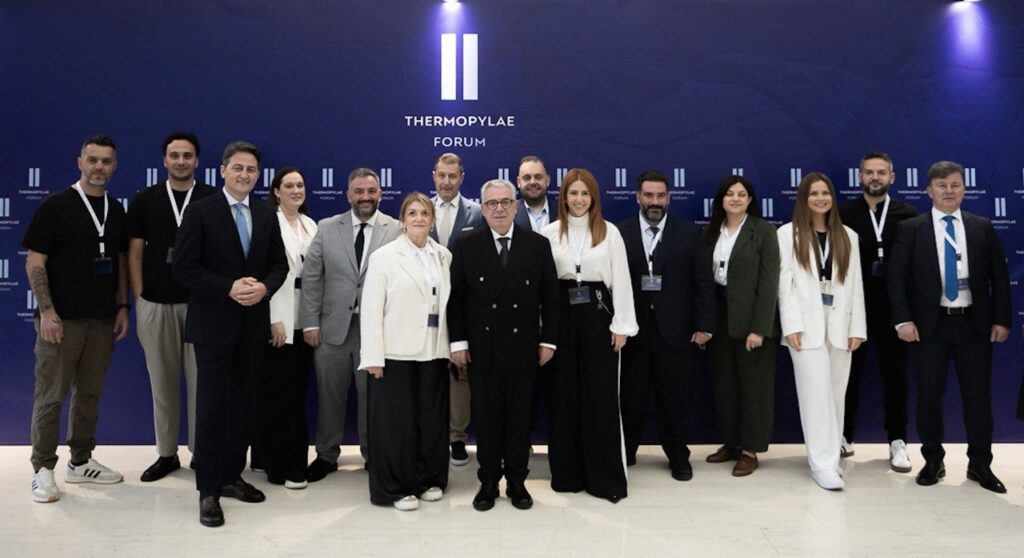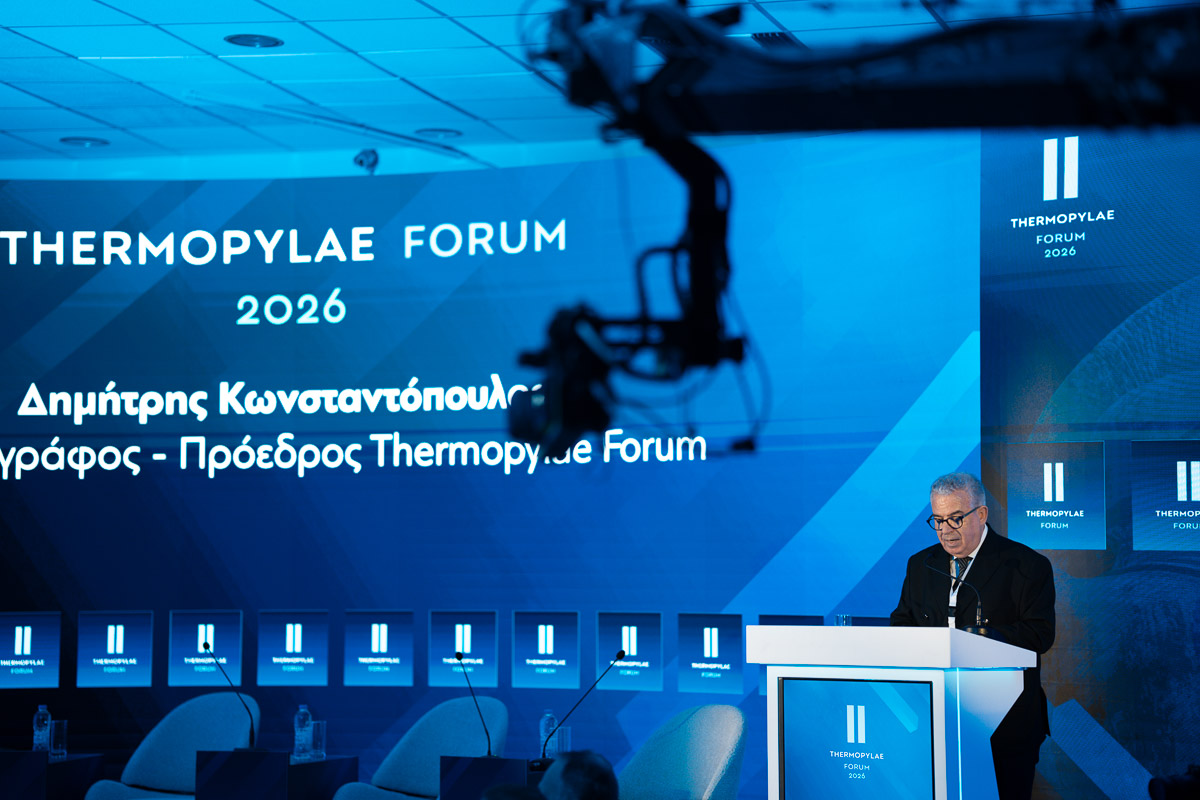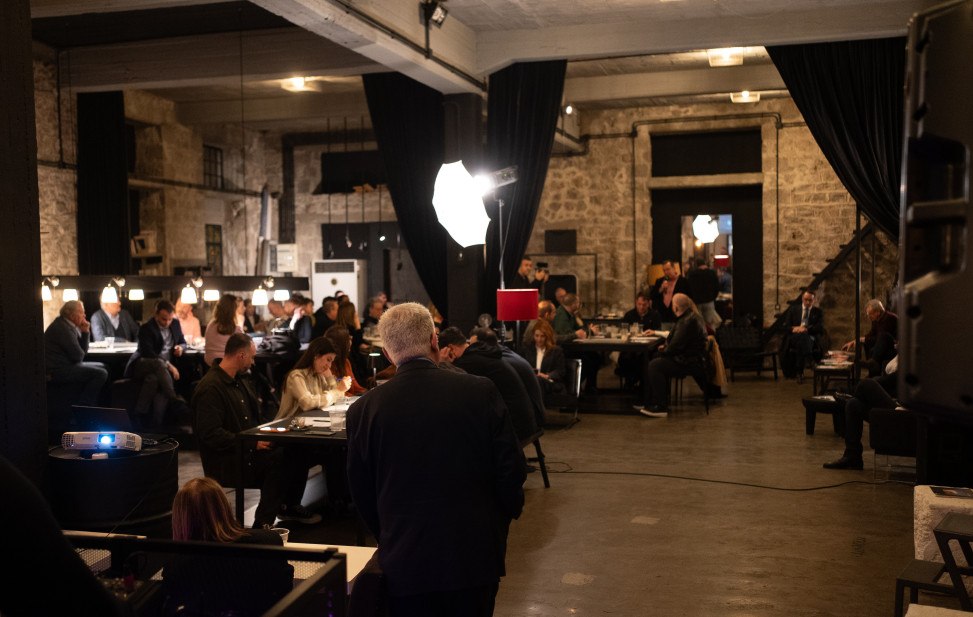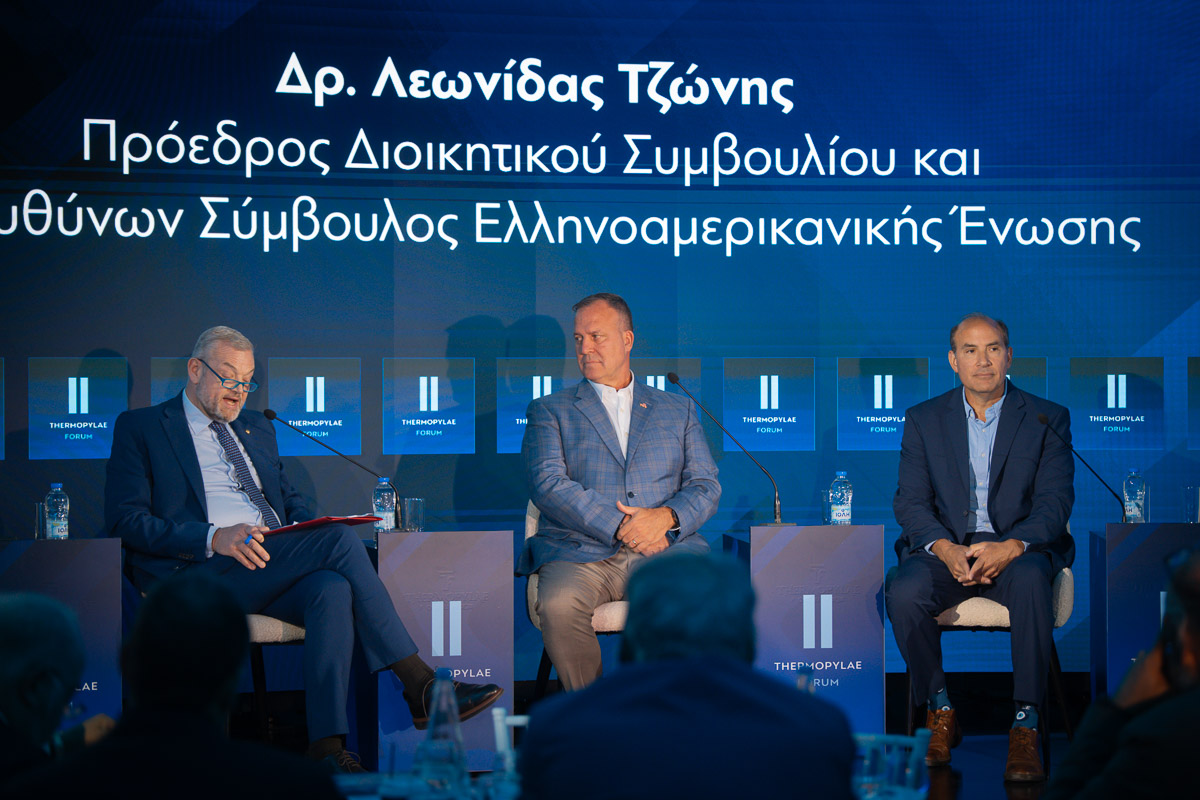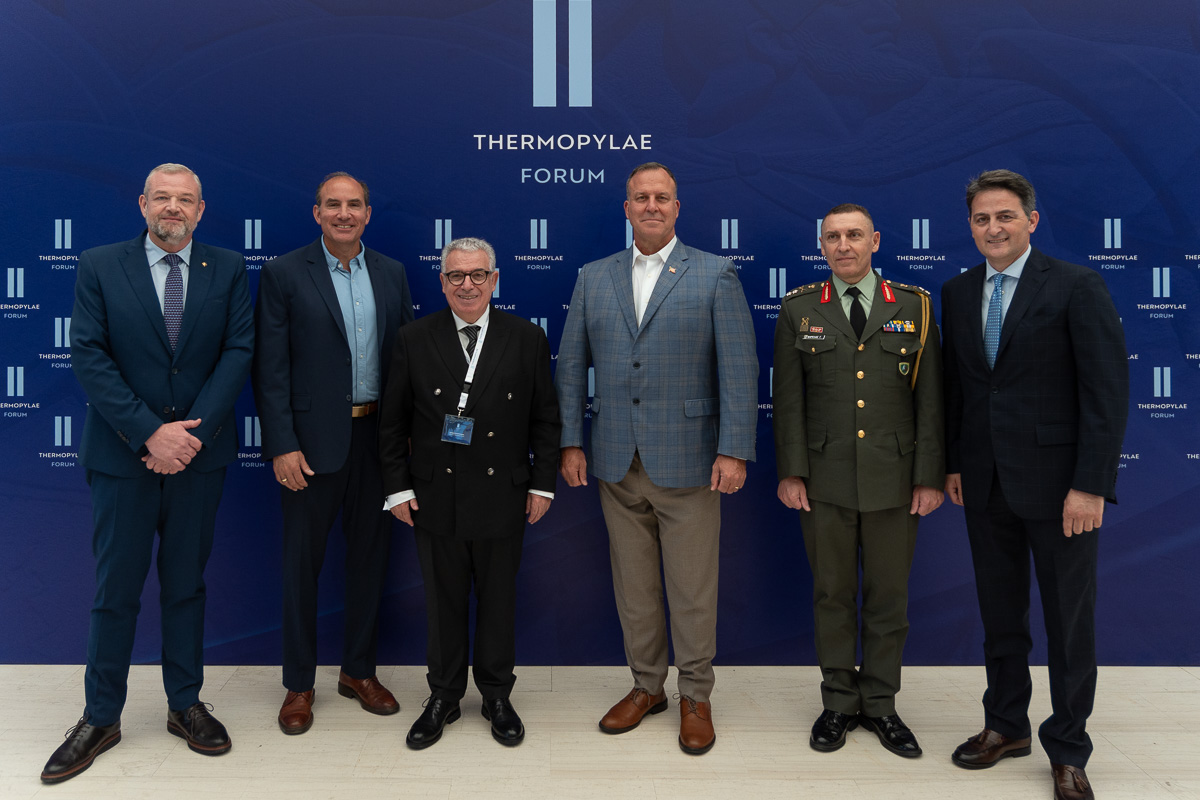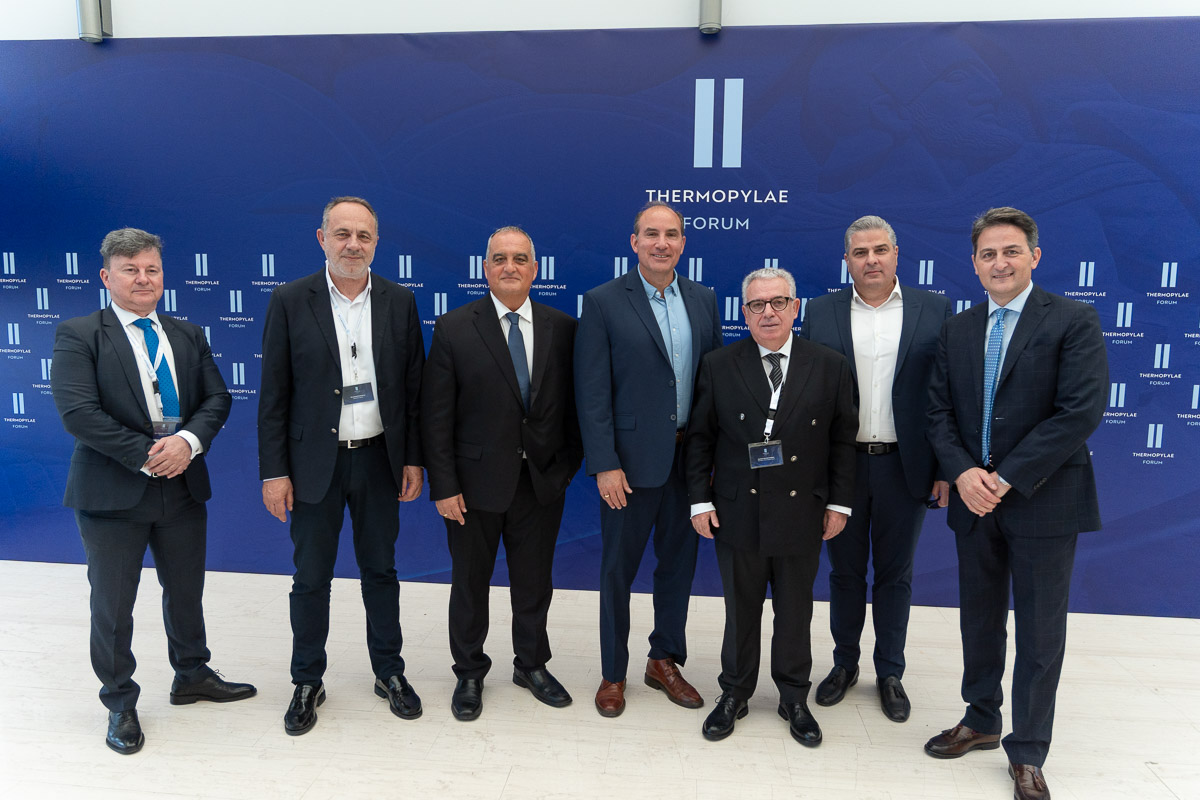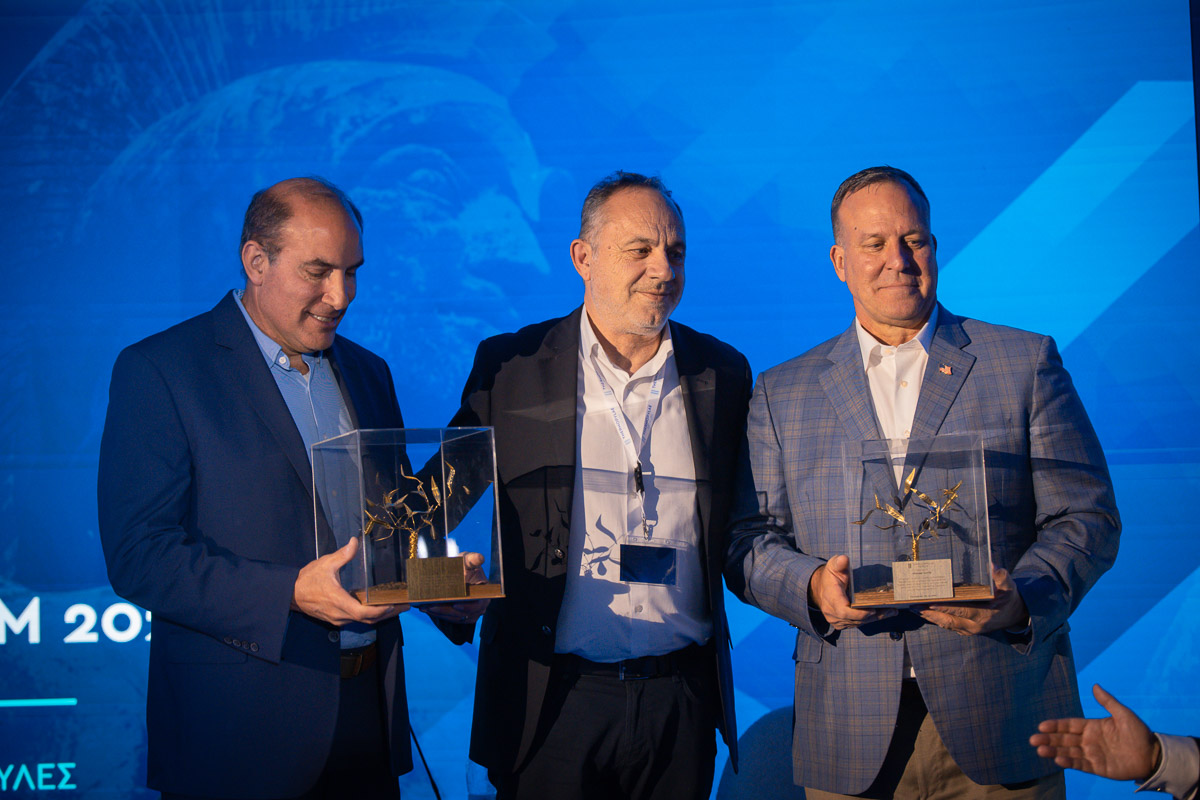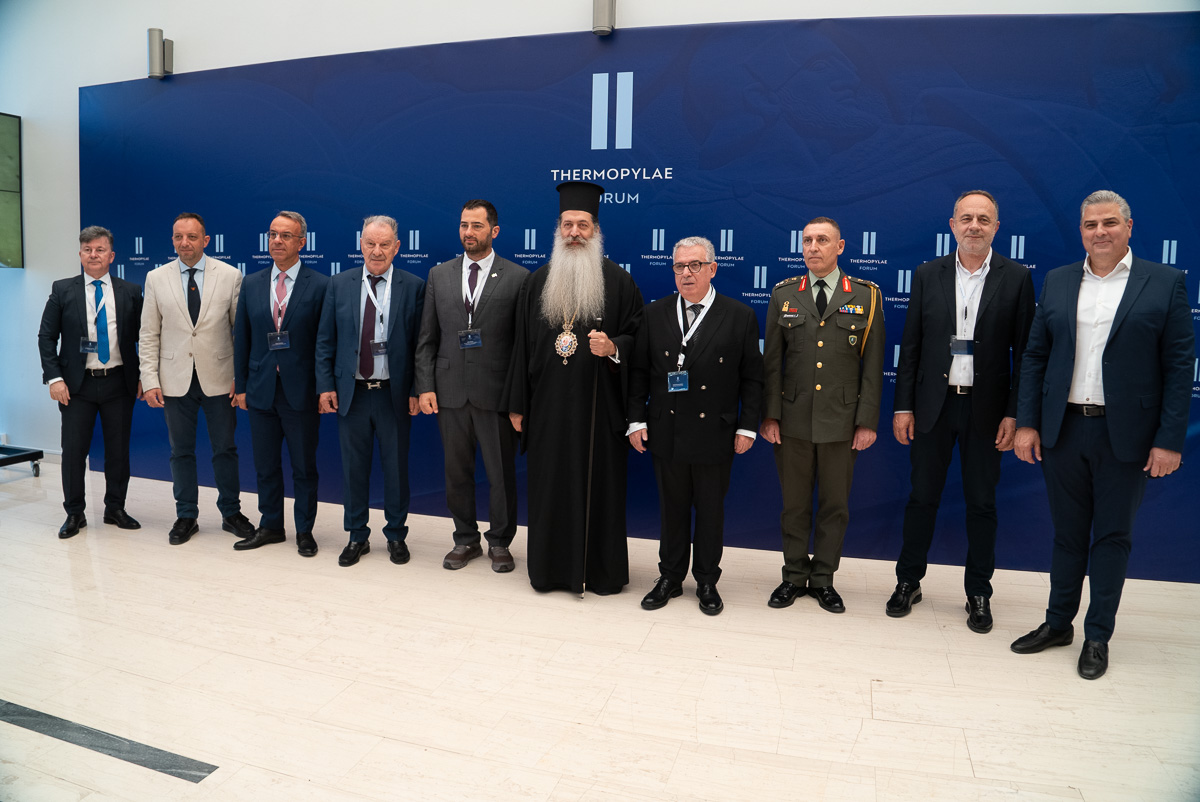
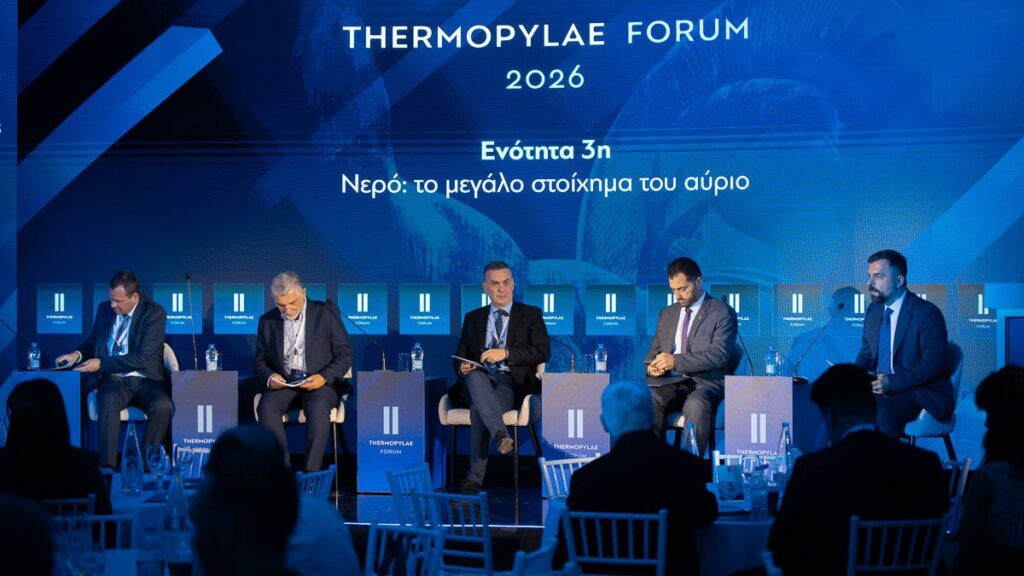
“Water: The Great Challenge of Tomorrow” was the focus of the 3rd thematic session of the Thermopylae Forum 2026.
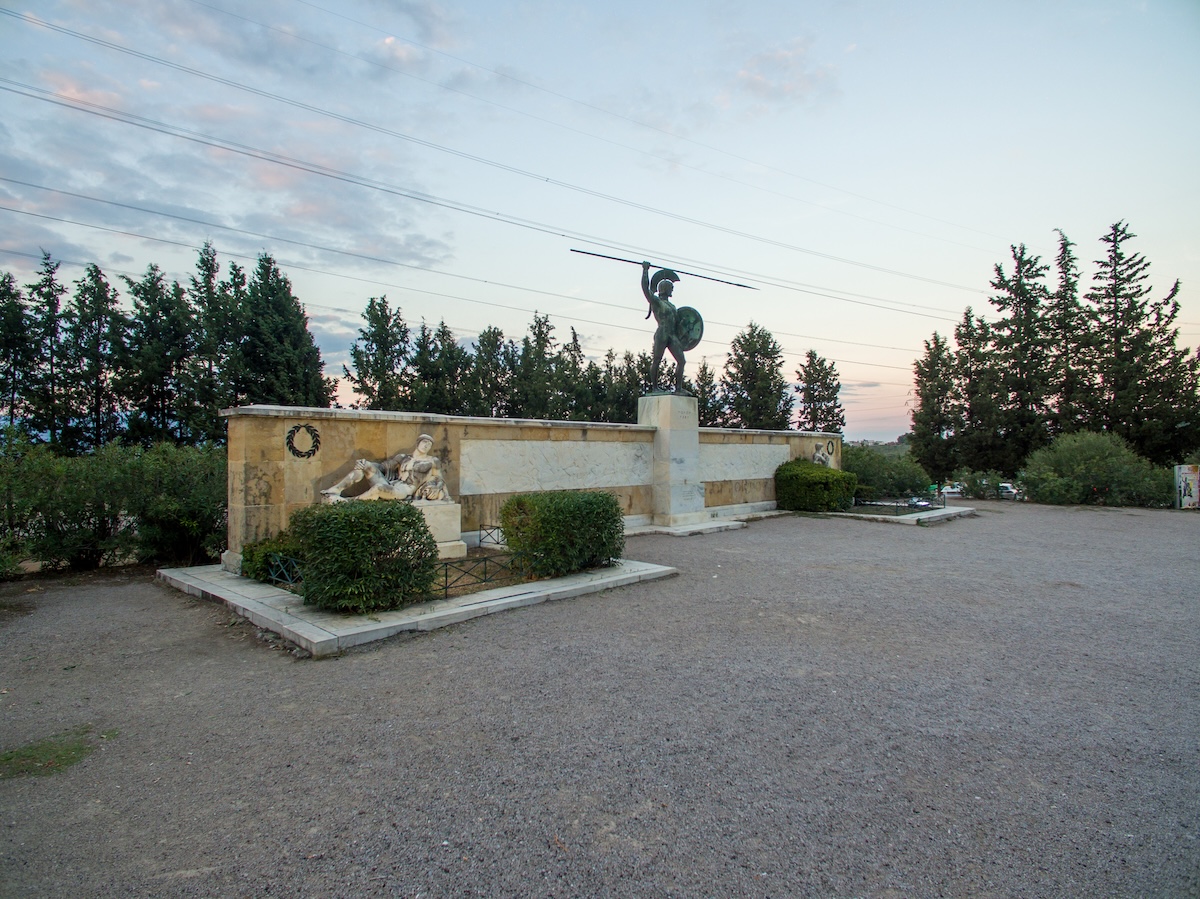
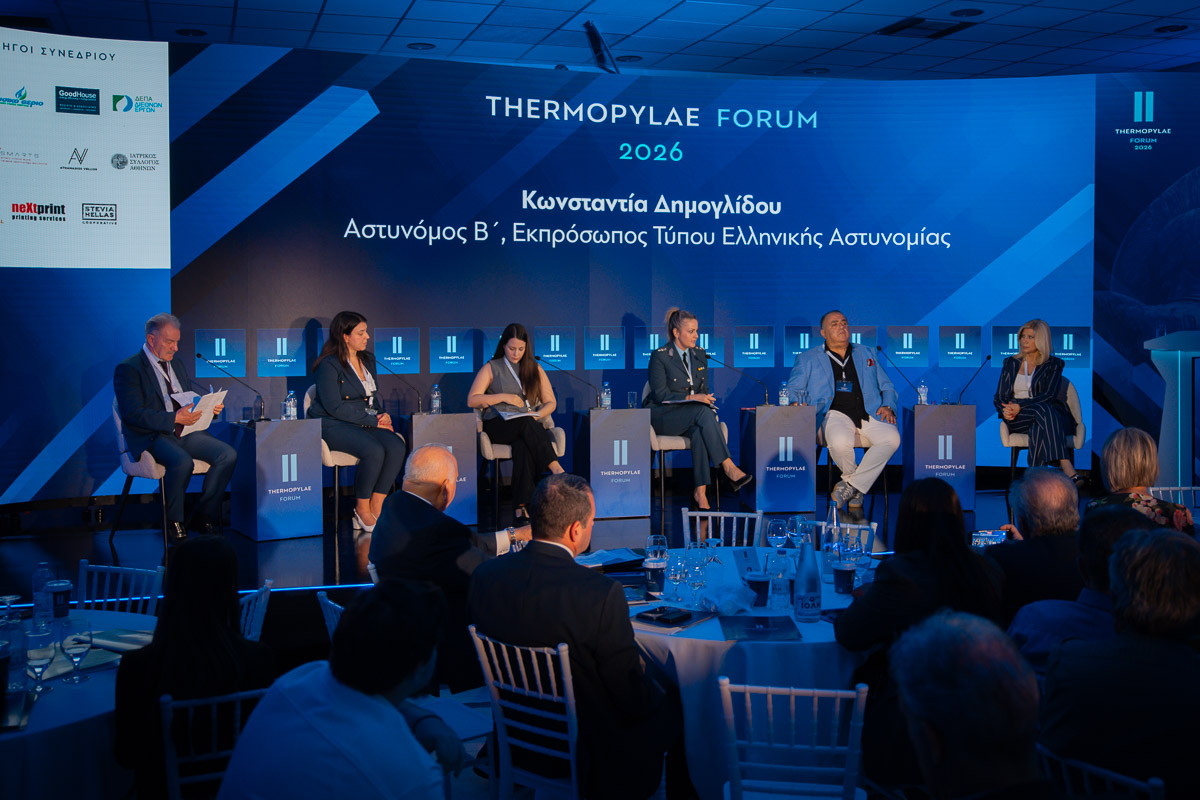
Water, as “the great challenge of tomorrow,” took centre stage in the 3rd session of the Thermopylae Forum 2026, held today, Saturday, May 16, at the Innovative Centre of Historical Information of Thermopylae, with the participation of distinguished figures from the fields of science, entrepreneurship and the media.
More specifically, the discussion focused on the need for an integrated and sustainable management strategy, with emphasis on conservation, the modernisation of infrastructure and the use of new technologies. The interventions highlighted the importance of the rational use of water resources, particularly in the agricultural sector, where the highest consumption is recorded, as well as the need to transition to more efficient production models.

Particular emphasis was placed on the role of cooperation between central government, local authorities and institutional bodies, in order to shape a coherent framework of policies and interventions capable of responding to modern challenges.
At the same time, the contribution of scientific knowledge and innovation was highlighted, both in optimising network management and in monitoring environmental and climate data that directly affect water availability.
It was also demonstrated that the issue of protecting water resources is no longer an isolated technical challenge, but a complex developmental and social challenge that requires coordinated actions, investments and a change of mindset at all levels.

As the Regional Governor of Central Greece and Secretary General of ENPE, Fanis Spanos, stated, “water is emerging as an extremely important issue, not only for irrigation but also for water supply. We must find immediate solutions; we must learn not to waste it,” while presenting the holistic plan currently underway.

“Serious problems must be addressed with solutions. The first thing we are focusing on, in cooperation with our Municipalities, which are responsible for water supply, as well as with the central government — either through the Ministry of Environment or EYDAP — is learning not to waste water.
Approximately 85% of the country’s water is directed to irrigation, around 12%–13% is intended for industrial use, and only 2% for urban use. Therefore, we must become familiar both with the mindset and with the technologies that lead us to lower water consumption.
To this end, together with the Ministry of Rural Development, we are promoting actions for the development of hydroponics and for monitoring consumption. Among other things, we have installed a telemetry system in half of Kopaida, and of course we are placing emphasis on closed irrigation networks in conjunction with dams, such as the one starting in Domokos,” he said.

For his part, the Mayor of Livadeia, Dimitrios Karamanis, underlined that the crisis of recent years also had two positive outcomes.
“The first was the realisation that the water issue must be addressed comprehensively and not in a fragmented way. The second is that this crisis also created the necessary conditions for synergies between the central state, the Region and the municipalities. Irrigation is the most critical issue. We are often forced to become financiers of farmers when these people are unable to pay their irrigation fees.”

He also informed those present that a study has been prepared and is nearing completion for a water dam on Mount Helicon, which will permanently solve the water supply problem of three large villages – Kyriaki, Agia Triada and Koroneia – while the telemetry project across the entire plain is also being completed.

The General Director of the Municipal Water Supply and Sewerage Company of Lamia, Giannis Theodorakopoulos, stressed that “water management requires a balance between scientific and technical knowledge, economic sustainability, investments and pricing policies, as well as public responsibility towards local communities and future generations.
Since 2000, we have invested in conventional sewerage and water supply networks, as well as in information technologies through which we manage the entire network of the city of Lamia and the 44 settlements under our responsibility. These tools enable us to manage the system remotely, gain insight into the behaviour of our systems and record the operation of the network.”

Finally, the Vice-Rector of the National and Kapodistrian University of Athens, Christos Karagiannis, referred to the fact that, at the end of March, the university succeeded in launching three nanosatellites into space from a base in California, related to civil protection, climate change and the monitoring of meteorological phenomena in connection with precision agriculture and smart farming.
“We receive information on a 24-hour basis. We have data that show us, among other things, exactly what the morphology of the land is, what water needs exist, whether there is saturation or a need for water in a specific area, and much more,” he noted.


The discussion was moderated by Antonis Papadopoulos, Head of Development and Strategic Partnerships at the consulting firm Break Even.

Watch the full, highly interesting discussion: