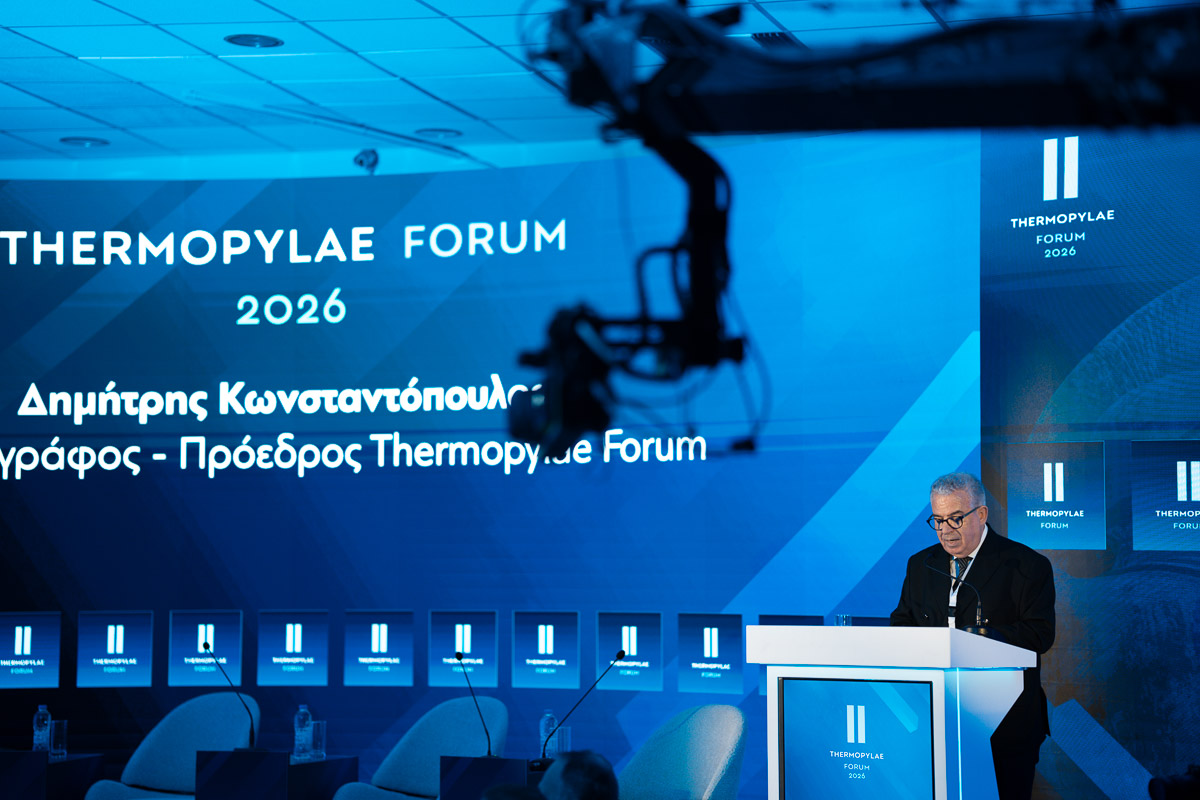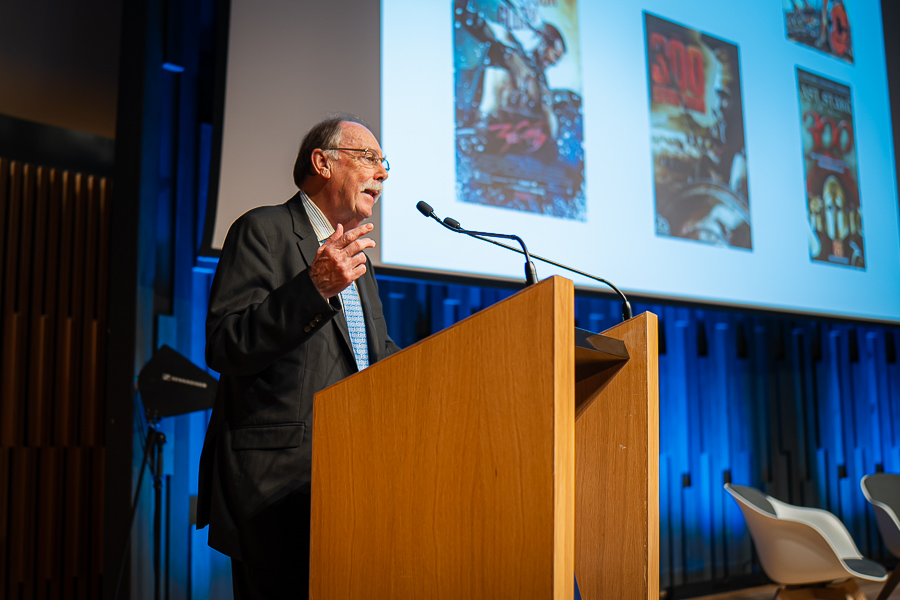
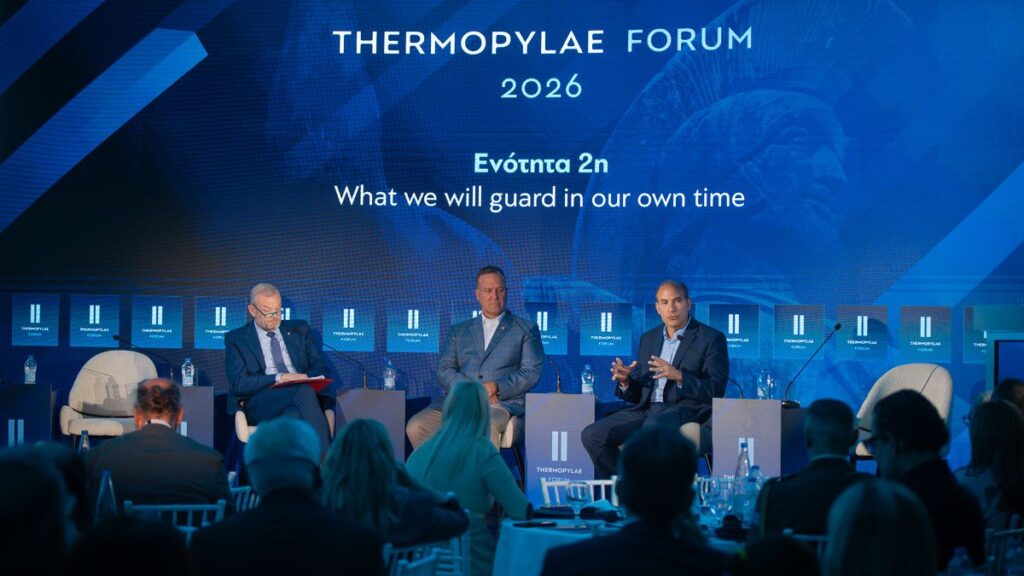
How much it continues to influence modern history and the novel Gates of Fire. The engaging discussion was opened by the President and CEO of the Hellenic American Union, Dr. Leonidas Tzonis.
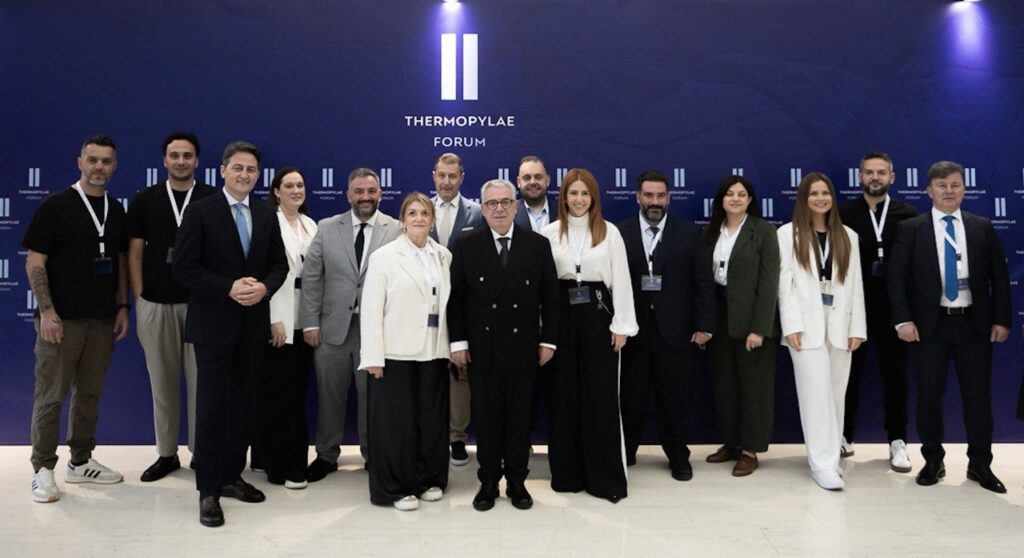
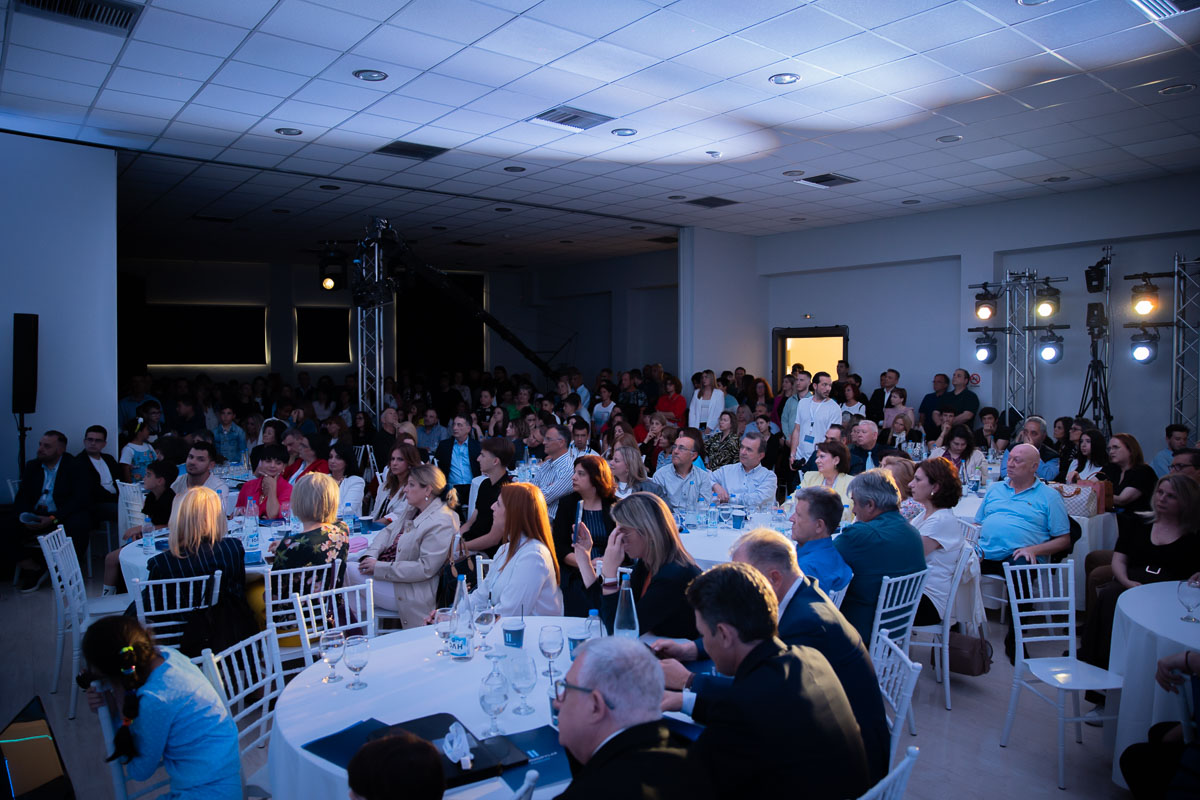
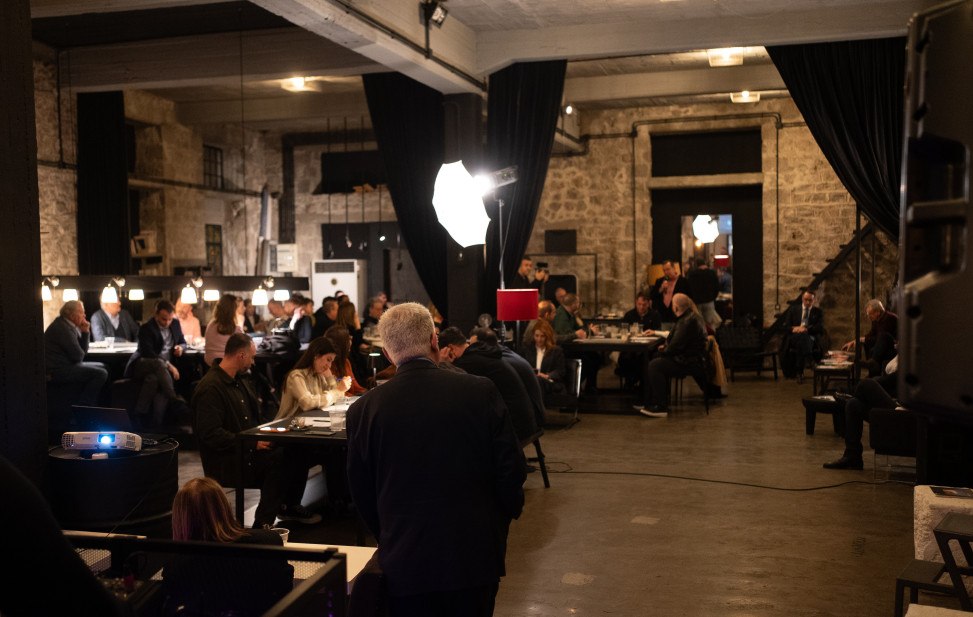
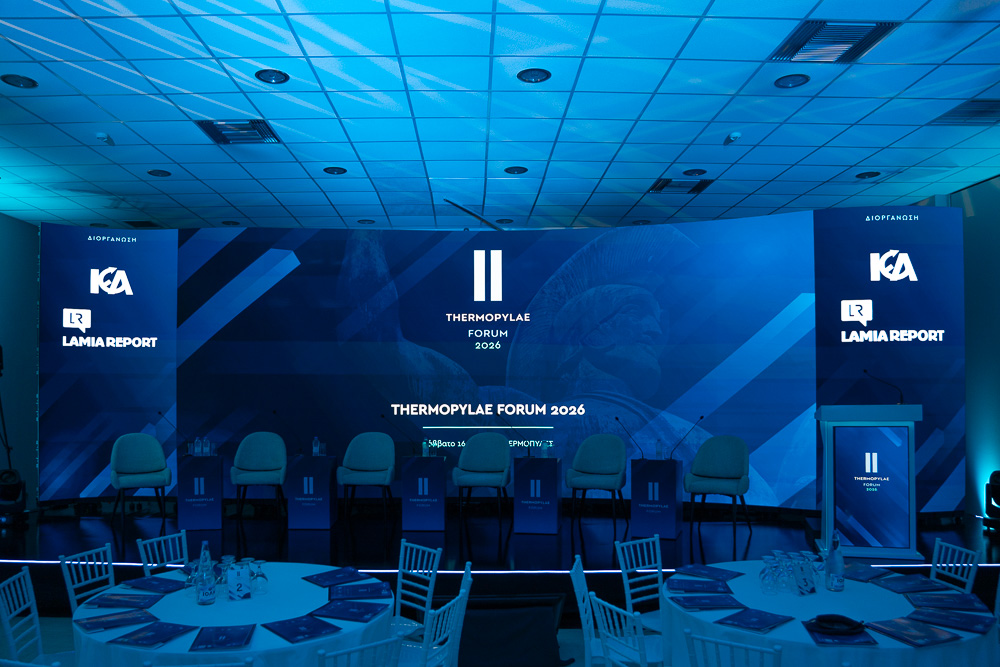
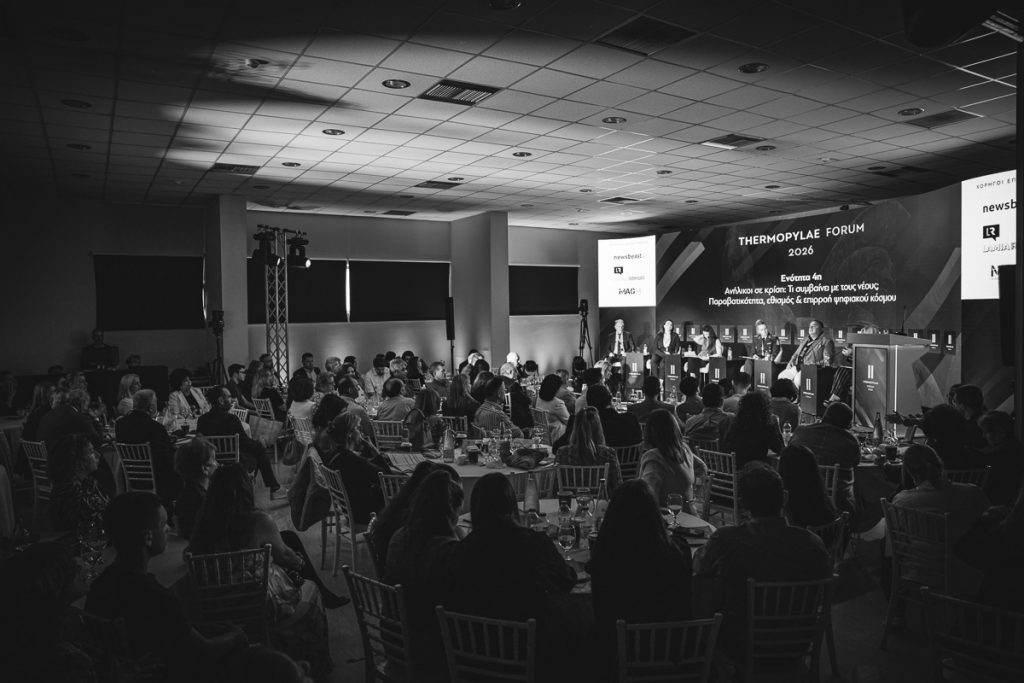
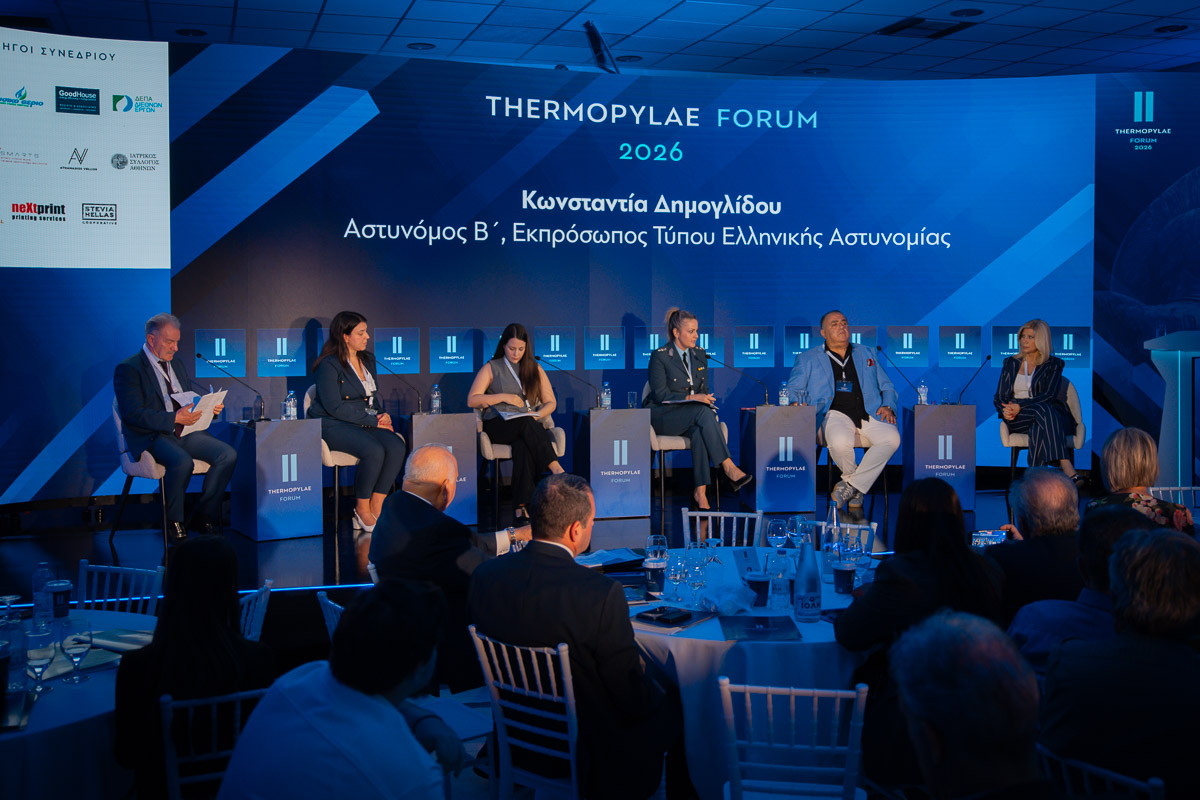
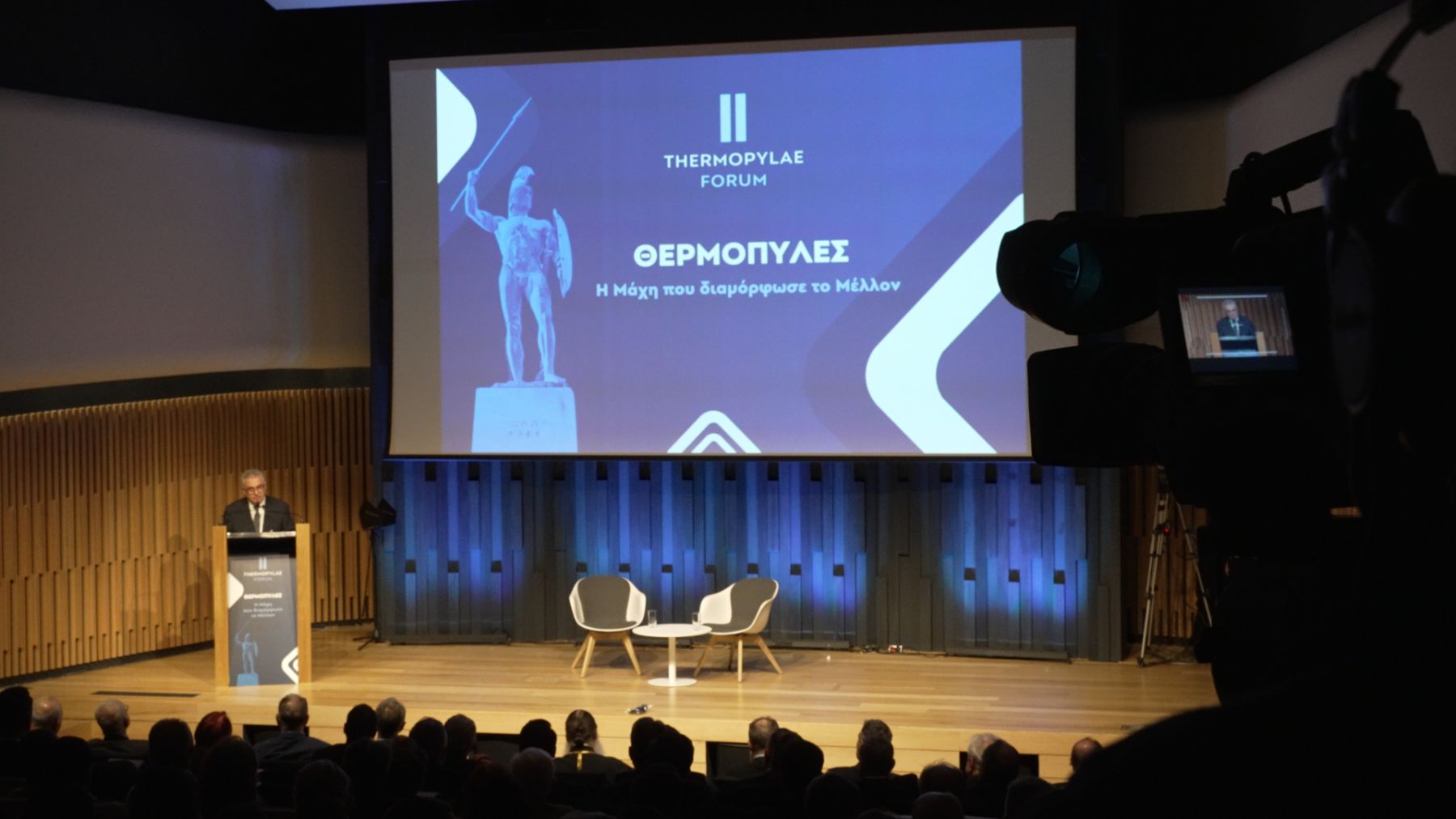
The second major thematic session of the Thermopylae Forum 2026, taking place today, Saturday, May 16, at the Innovative Centre of Historical Information of Thermopylae, hosted distinguished guests.
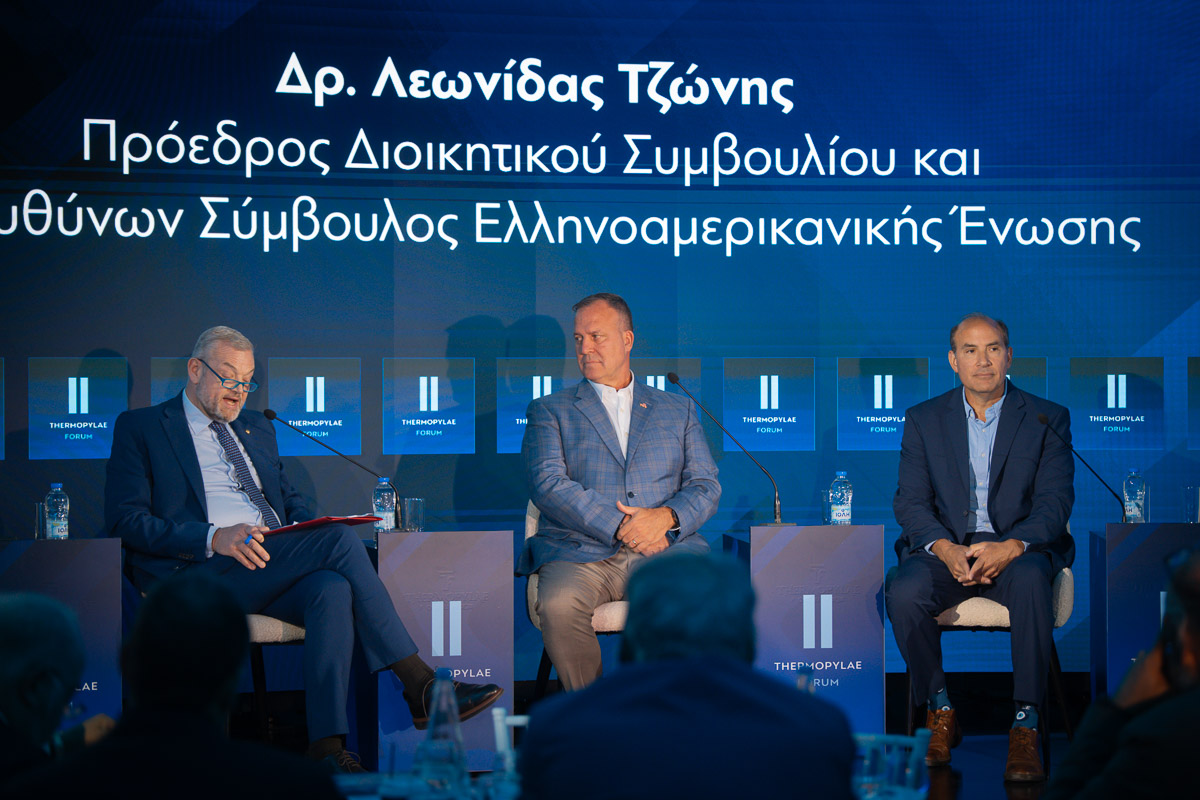
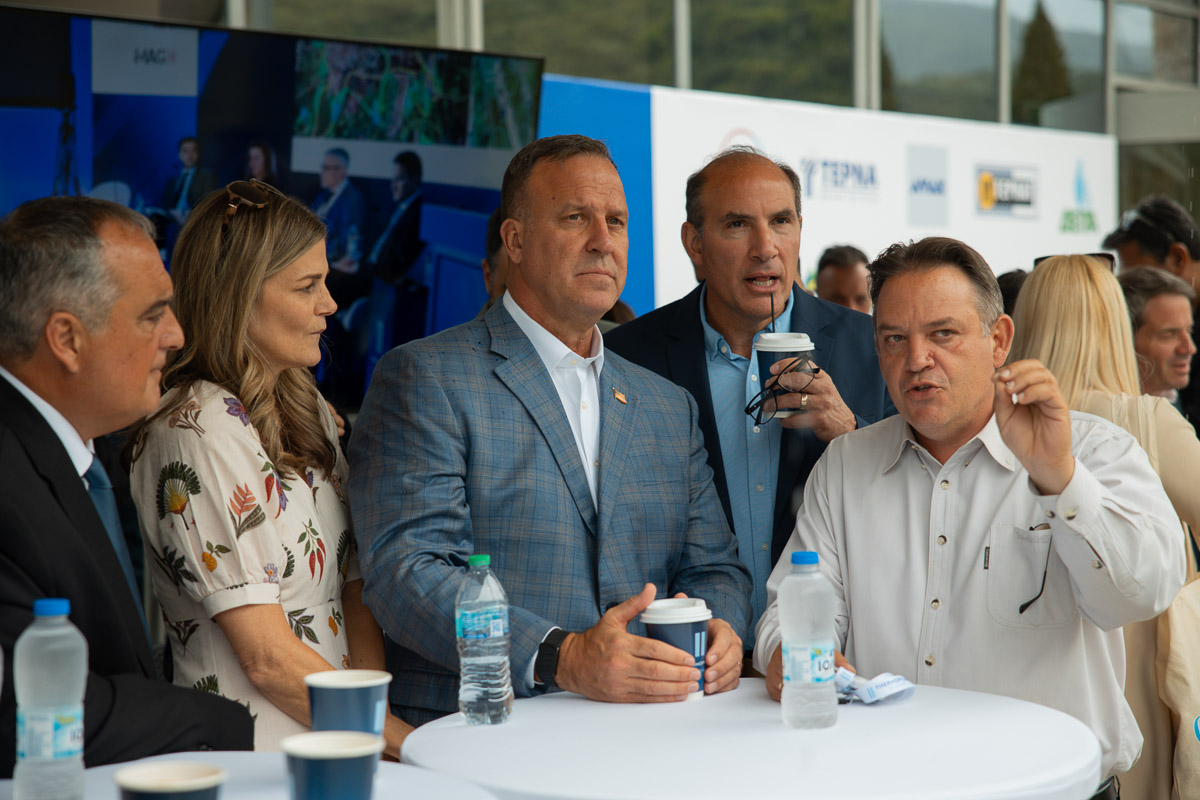
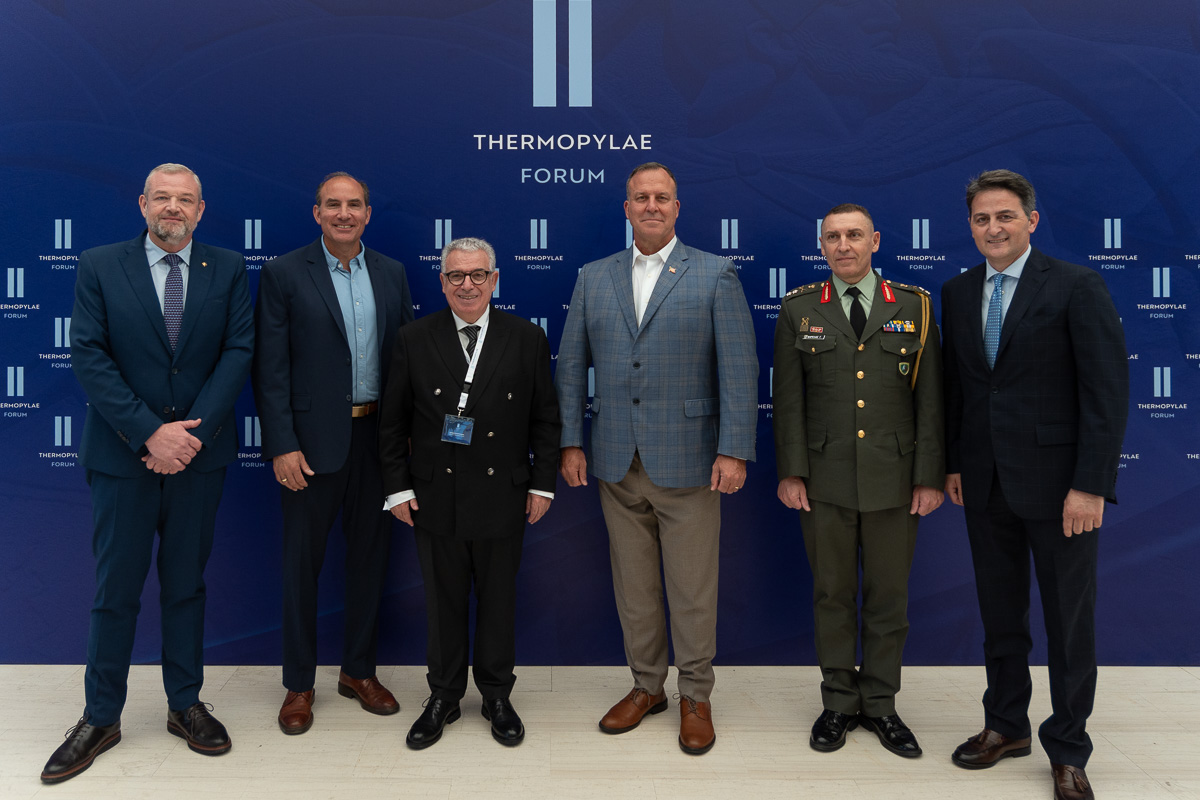
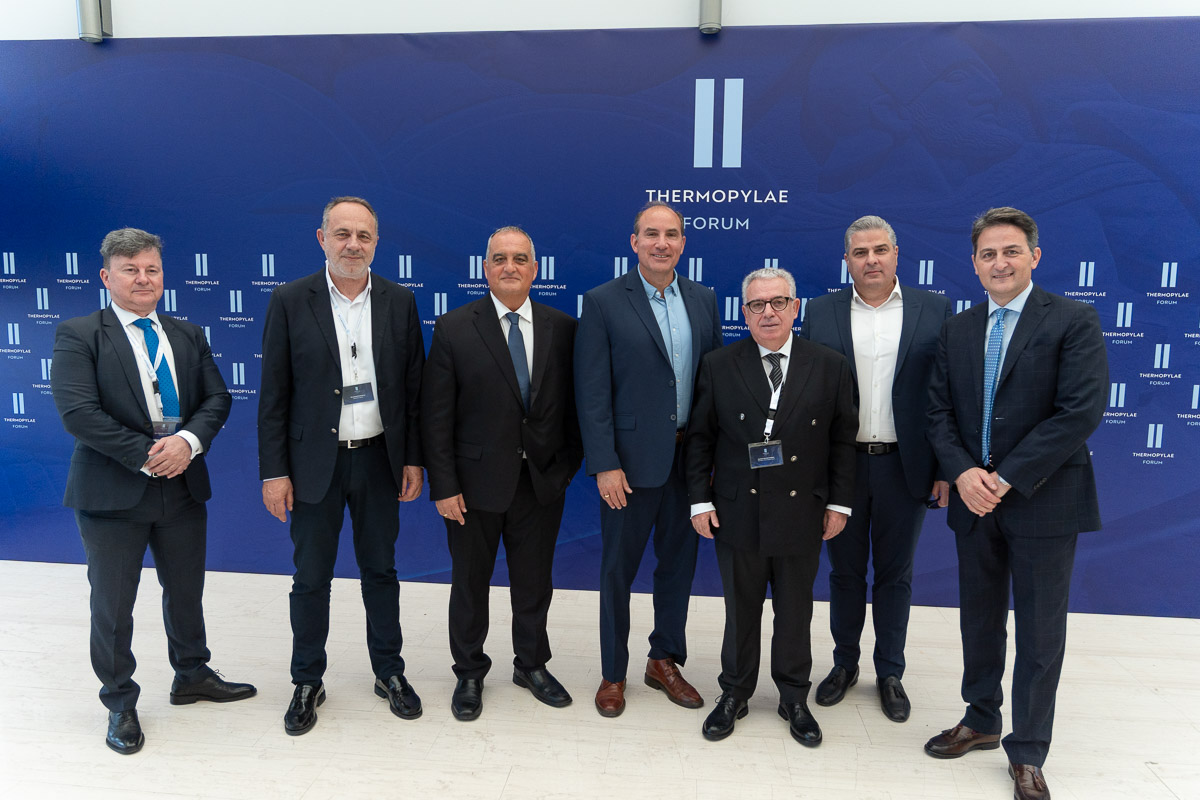
Especially for the strategic conference, American Generals Michael Erik Kurilla, former Commander of CENTCOM, and Andrew P. Poppas, former Commander of FORSCOM, travelled to Greece. During their visit, they were also given a tour of the site, admiring the historic landmark and, as became clear, they were deeply familiar with the battle that left an indelible mark on world history.

“With this session, a new chapter opens, through which the Forum seeks to consistently build a connection between Thermopylae and the Greek diaspora, as well as with people who, from different starting points, serve values that transcend borders, institutions and eras,” noted Angela Karageorgiou, Communication Strategist, Founder & CEO of On Point Communications & PR.

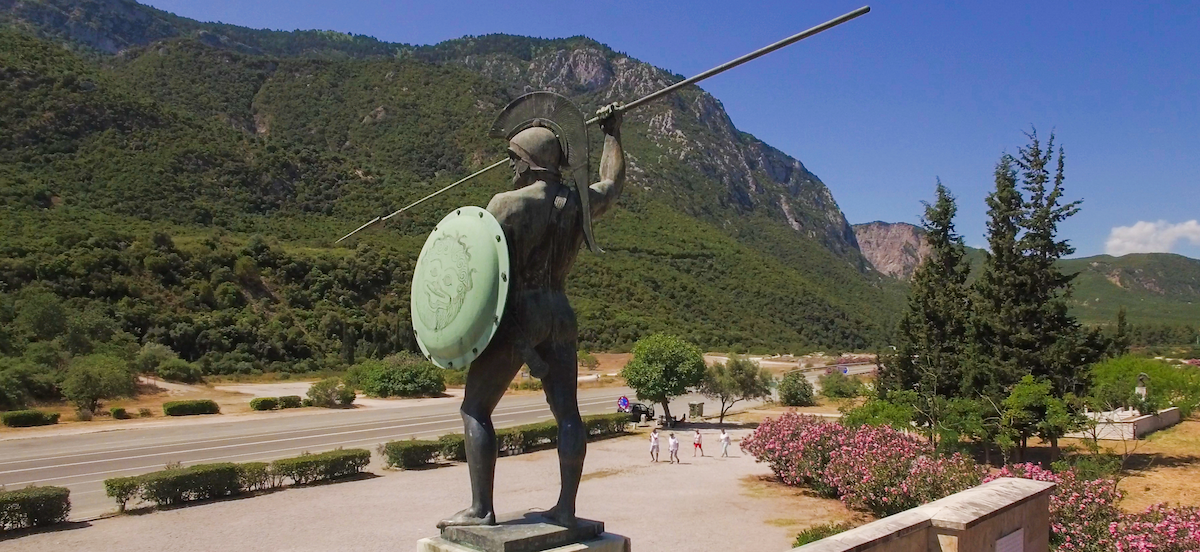
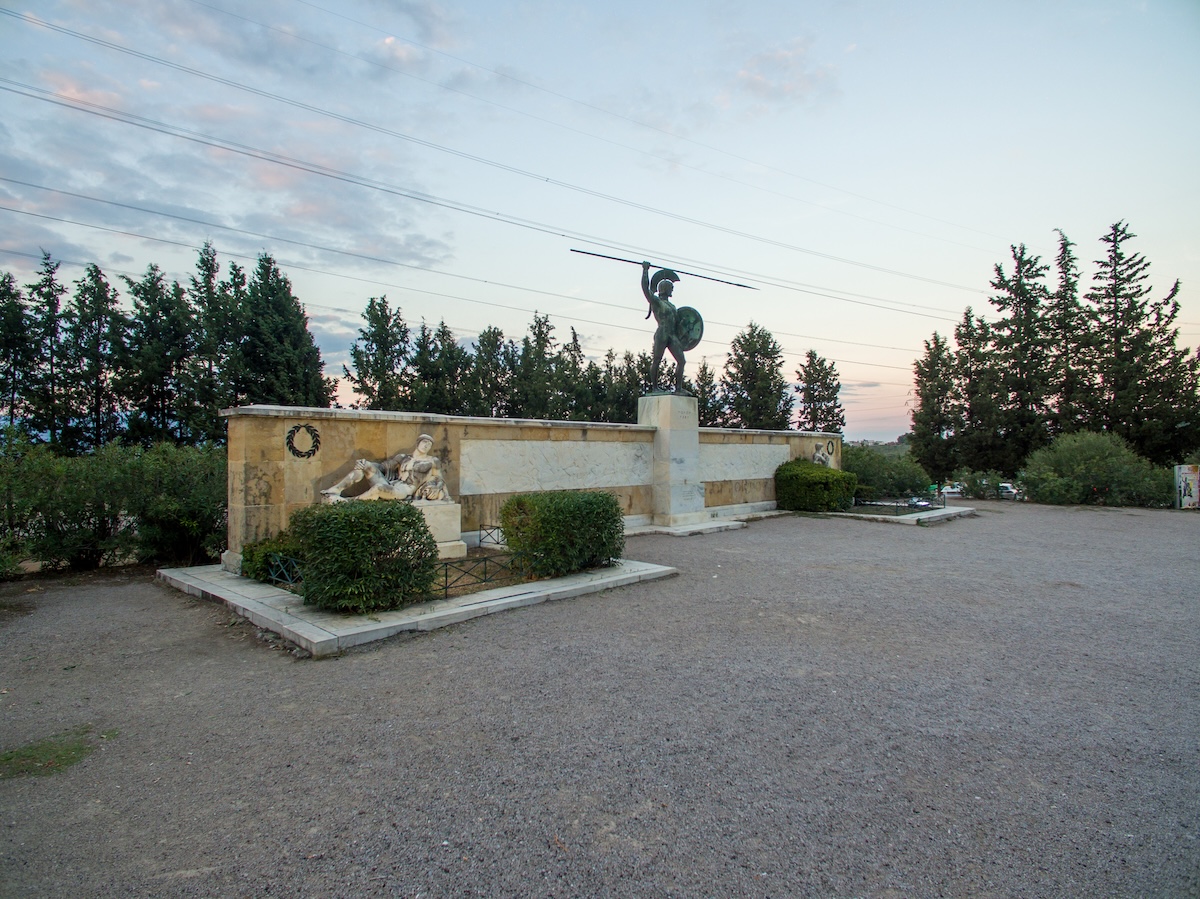
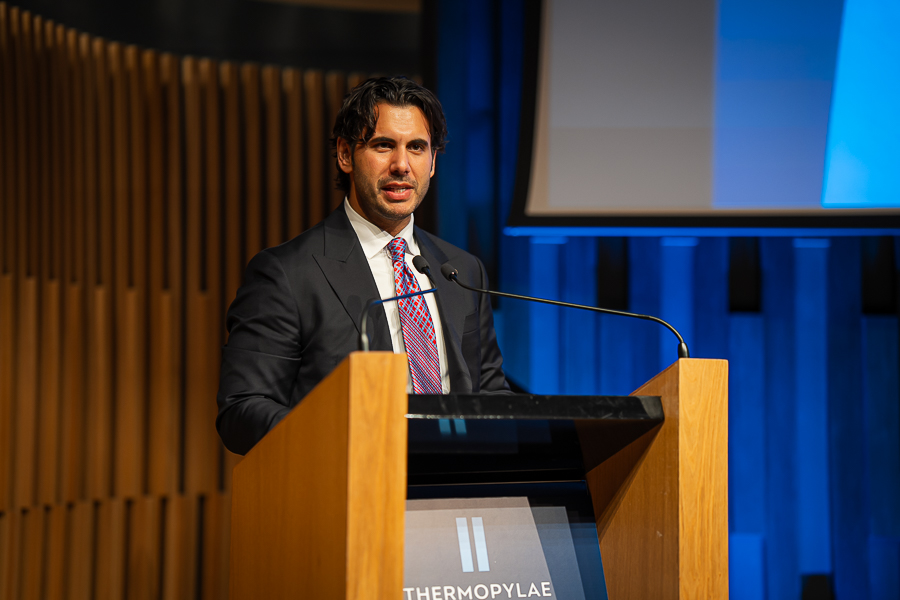
The Chairman of the Board and CEO of the Hellenic American Union, Dr. Leonidas Tzonis, opened the discussion by focusing on the historic significance of Thermopylae and on the fact that, just a few metres away from where the conference is being held, 300 men gave their lives in 480 BC in order to defend the pass.
The ideals and fervour for the protection of one’s homeland are timeless and continue to define Greeks to this day, whether they live within or beyond the country’s borders. Standing alongside two distinguished retired United States generals, with extensive careers and remarkable achievements, he raised the question of what we should safeguard in our own era.

In response, retired U.S. General and former CENTCOM Commander Michael Erik Kurilla referred to the timeless lessons of military history, the evolution of joint and allied cooperation, and the decisive role of trust in modern operations.
More specifically, the General began his remarks by referring to his long-standing personal and professional relationship with fellow retired General Andrew P. Poppas, who also participated in the panel. He noted that their shared path within the U.S. Army spans decades and has shaped a common framework of operational understanding and cooperation.

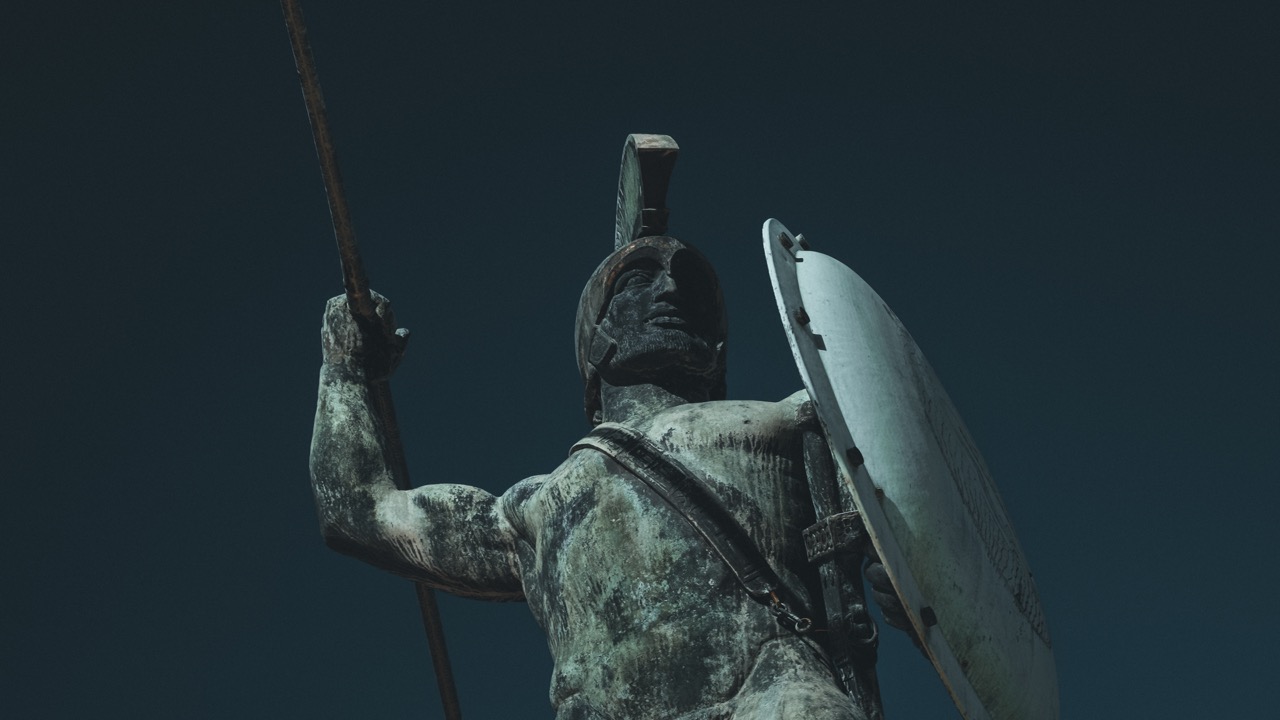
A central point of his speech was his reference to the Battle of Thermopylae in 480 BC, which he linked to contemporary principles of leadership and military mission. Kurilla stressed that the historical example of Leonidas and the Spartans continues to serve as a timeless model of discipline, commitment to mission and leadership under conditions of overwhelming numerical superiority by the enemy.
In the same context, he referred to the influence of Steven Pressfield’s novel Gates of Fire, published in 1998, which, as he noted, has been used in military environments as a tool for training and reflection. “The literary depiction of the Battle of Thermopylae serves as a means of understanding concepts such as sacrifice, collective responsibility and the notion of military virtue,” he said.

He further connected these historical references with his operational experience in Iraq and Afghanistan, noting that he had served within Joint Special Operations Command (JSOC) structures.
He stressed that many of the most significant organisational and operational developments in the modern military emerged through the analysis of failures, operational gaps and critical incidents in the field. Particular emphasis was placed on the concept of institutional and interpersonal trust as a foundation of military effectiveness. As he noted, “trust is not a given; it is built gradually through continuous cooperation, shared experiences and long-term presence in environments of high operational pressure.”

Referring to the broader geostrategic environment, Mr. Kurilla described the importance of cooperation with partners in the Mediterranean, the Middle East and the wider Levant region, noting that operational success in multinational frameworks requires a high degree of trust and mutual understanding.
He also stressed that this trust cannot be replaced by formal procedures; rather, it requires continuous investment in relationships, communication and a shared operational culture.
At the same time, he spoke about his frequent presence in the region, noting that direct contact with local and allied actors contributed decisively to understanding the real operational needs and limitations. “Interpersonal contact and engagement in the field allow for more realistic decision-making and the improvement of training and operational readiness,” he noted.

At another point in his speech, he referred to the importance of interoperability among allied forces, stressing that the ability to rapidly adapt resources, assets and operational capabilities is a critical factor for success in modern threat environments.
Special reference was made to countering threats posed by unmanned systems and to the need for the continuous adaptation of tactics and training. “Operational effectiveness does not depend solely on technology or equipment, but primarily on people’s ability to cooperate, communicate and adapt under conditions of uncertainty,” he said.
Concluding his speech and summarising the key lessons of his many years of military experience, he highlighted three fundamental pillars: trust, cooperation and effective communication. “These three factors are constant principles not only for military leadership, but also for maintaining the cohesion and effectiveness of any allied formation under conditions of increased geopolitical complexity,” he stated.

For his part, retired U.S. General and former FORSCOM Commander Andrew P. Poppas focused on the concepts of leadership, collective responsibility, trust and value-based cohesion within modern military and institutional organisations.
He first referred to his personal roots, highlighting his family’s Greek heritage and the enduring influence of Greek identity in shaping values such as social contribution, education and a sense of duty towards the community. “Greek cultural heritage served as a steady axis in shaping his professional and personal path,” he said.

A central point of his speech was his reference to ancient Sparta and the Battle of Thermopylae in 480 BC, which he approached as a timeless example of collective choice, sacrifice and commitment to higher ideals. Mr. Poppas stressed that the Spartans did not act merely to defend a geographical area, but as part of a conscious choice to uphold values such as freedom and honour, highlighting the significance of the ancient phrase “Either with it or on it” as a symbolic core of collective responsibility.
In the same context, he analysed the concept of “costed success,” arguing that every organisation must understand the true cost of its mission, including the risks to its human capital and the need for a high level of trust between leaders and teams. As he noted, “the effectiveness of a military or institutional structure depends on its ability to build trust both at leadership level and team level.”
He placed particular emphasis on the distinction between individual and collective responsibility. The General stressed that operational success cannot be achieved through isolated efforts, but requires cohesive action by teams operating on the basis of common principles, values and operational discipline. Collective strength, as he said, “is the final result of a process of building trust and shared understanding.”
The General also referred to the importance of organisational assessment and the continuous adaptation of human resources, noting that organisations must ensure that all levels of command actively support the mission and operational requirements. Otherwise, “functional imbalances are created, negatively affecting overall effectiveness.”
At the operational level, Mr. Poppas described the importance of readiness as a key pillar of military strength. He stressed that readiness is not an instant outcome, but the product of long-term training, continuous assessment and the systematic cultivation of an operational culture. “The ability to respond immediately to crises,” he noted, “requires a high level of discipline and coordination,” especially under conditions of uncertainty and evolving threats, as is the case today.
Watch the discussion from Session 2, “What We Will Guard in Our Own Time”:
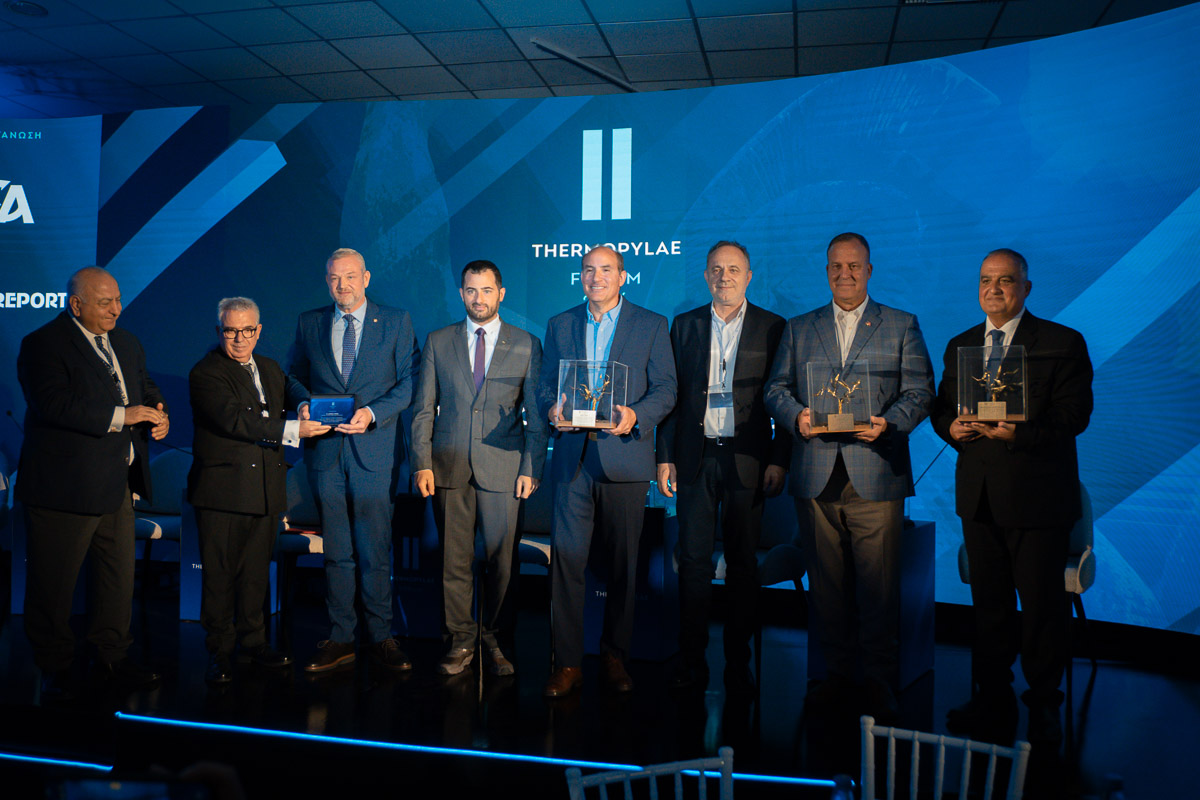
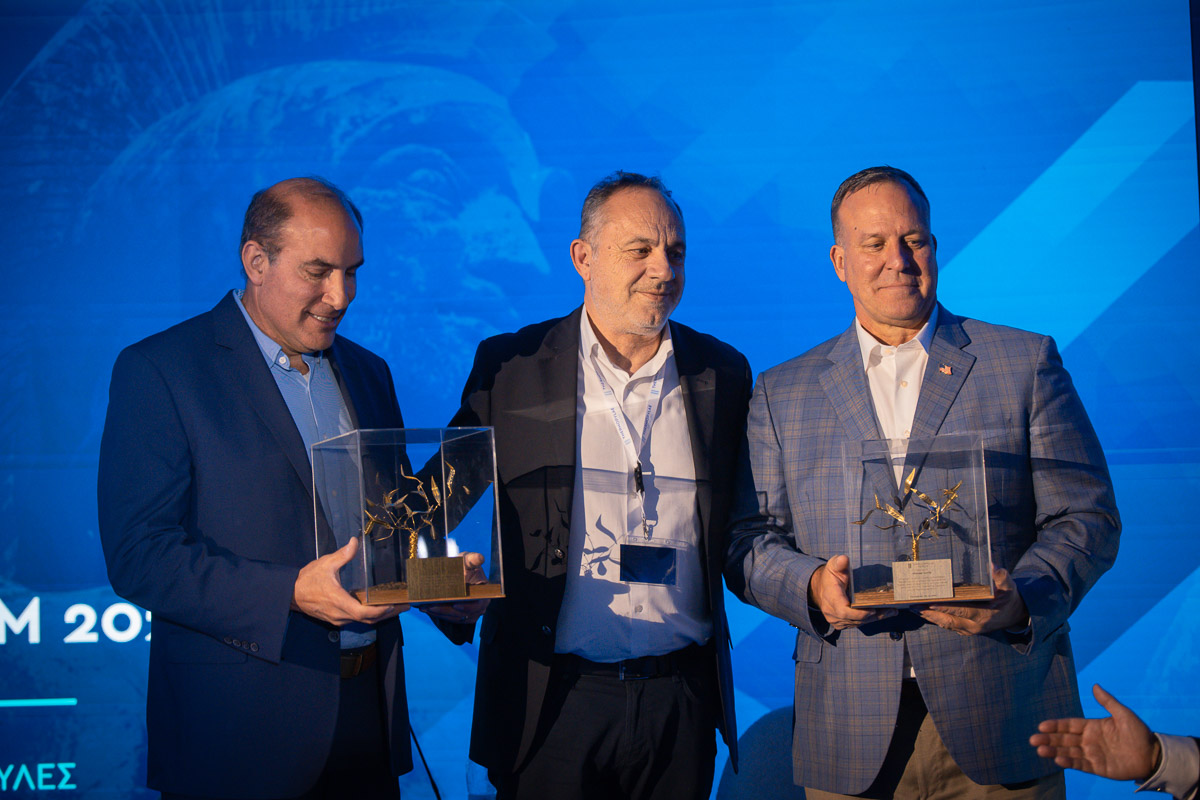
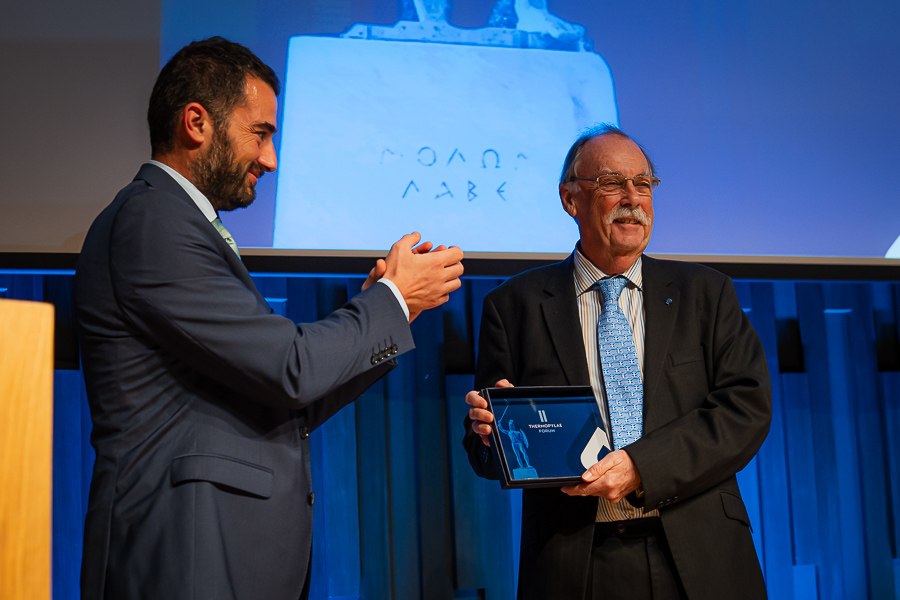
The presentation of commemorative gifts to the two Generals followed, as well as to Mr. Tzonis and Father Archdeacon Michael Karloutsos, Country Manager for Greece, Executive Director of IRC Athens and Vice President of Global Government Relations at Hard Rock International, a strong supporter of the Thermopylae Forum, whose speech will be featured in a separate article.


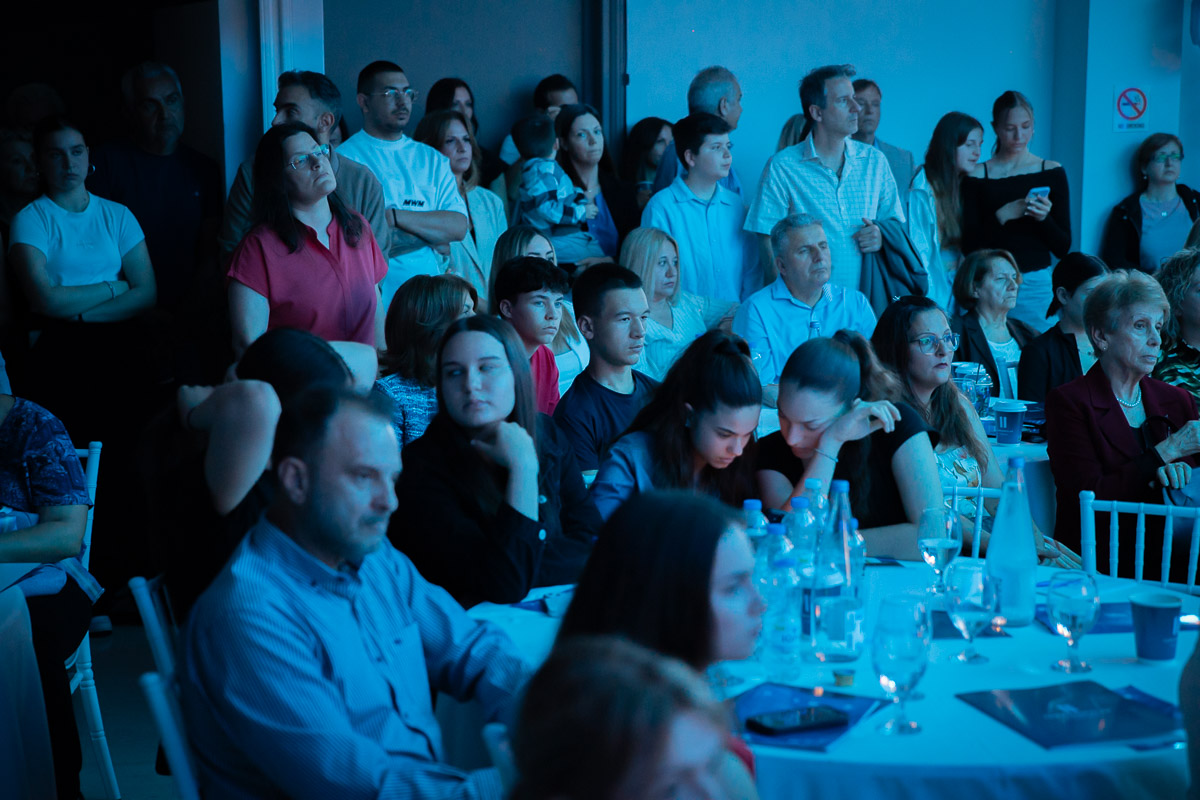
This particular session was held in English, with translation provided for those who wished to follow it.