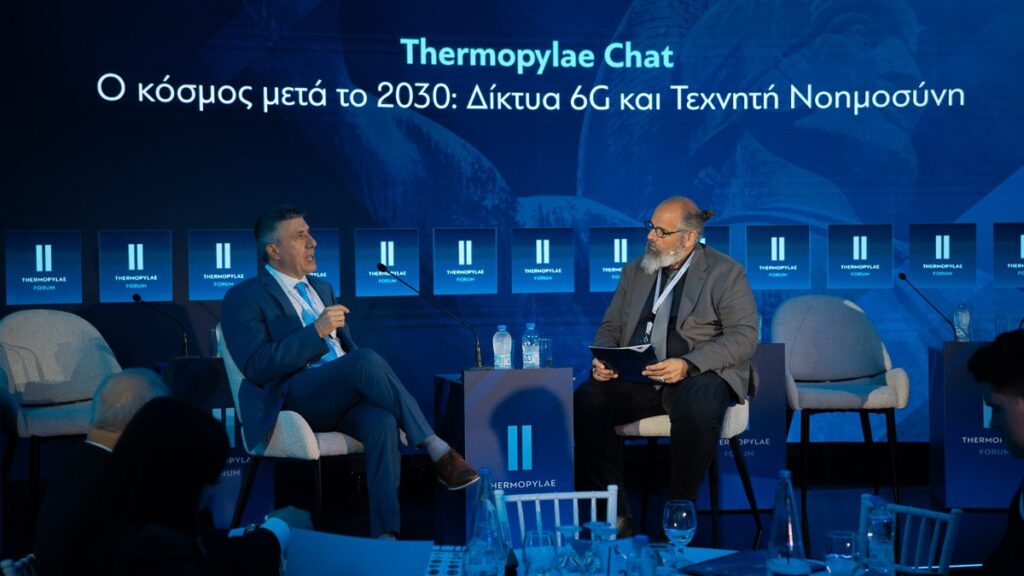
The perspective of the Aristotle University of Thessaloniki Professor of Digital Telecommunications Systems on what the world will look like after 2030 and the role of 6G networks and artificial intelligence…
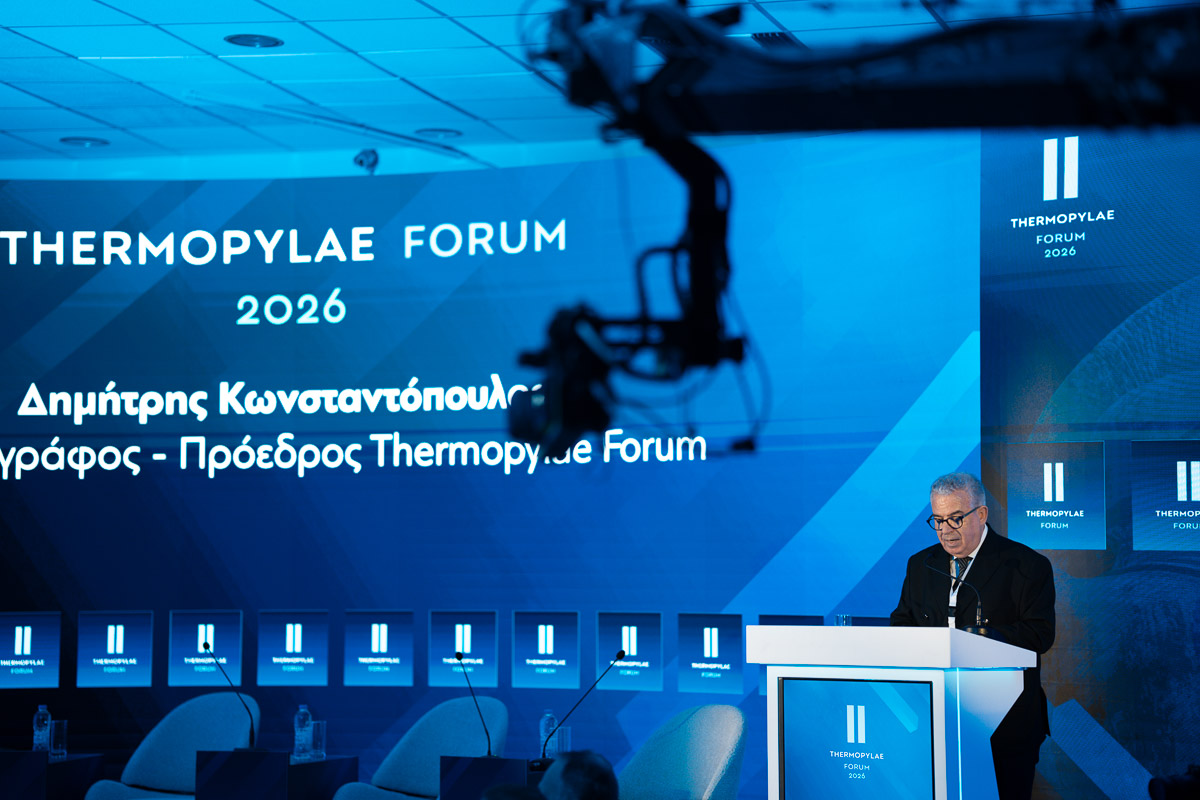
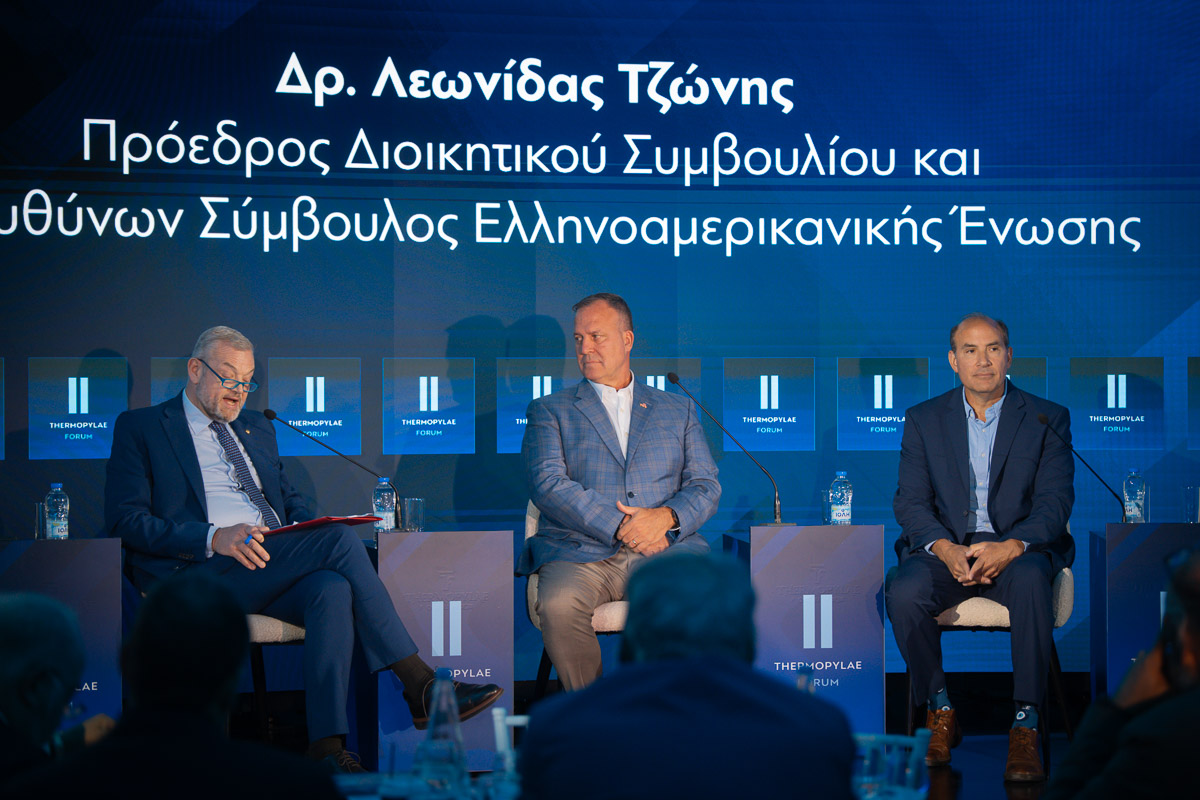
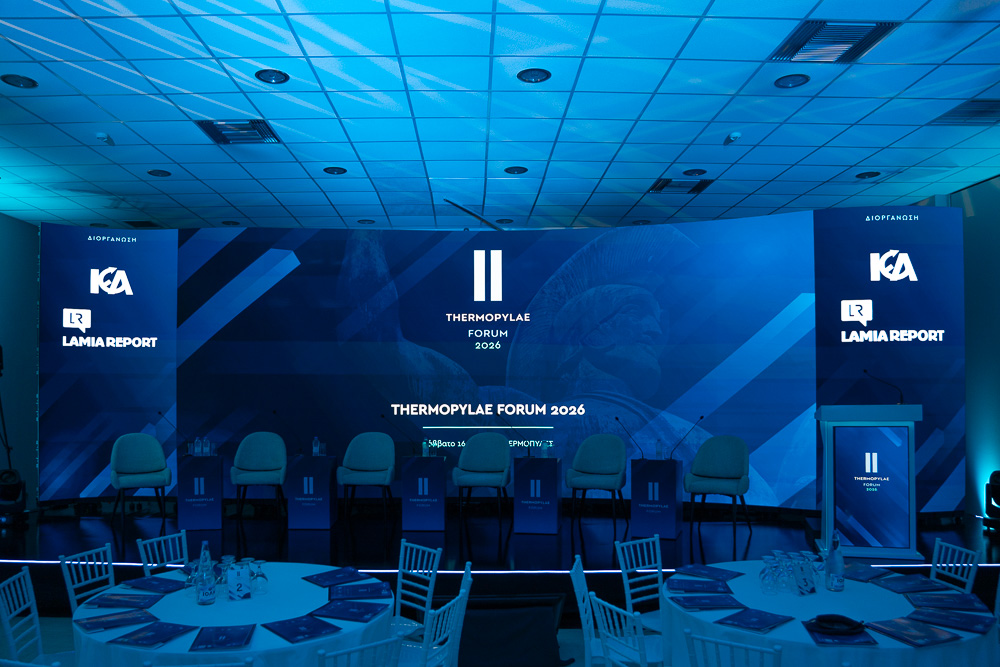
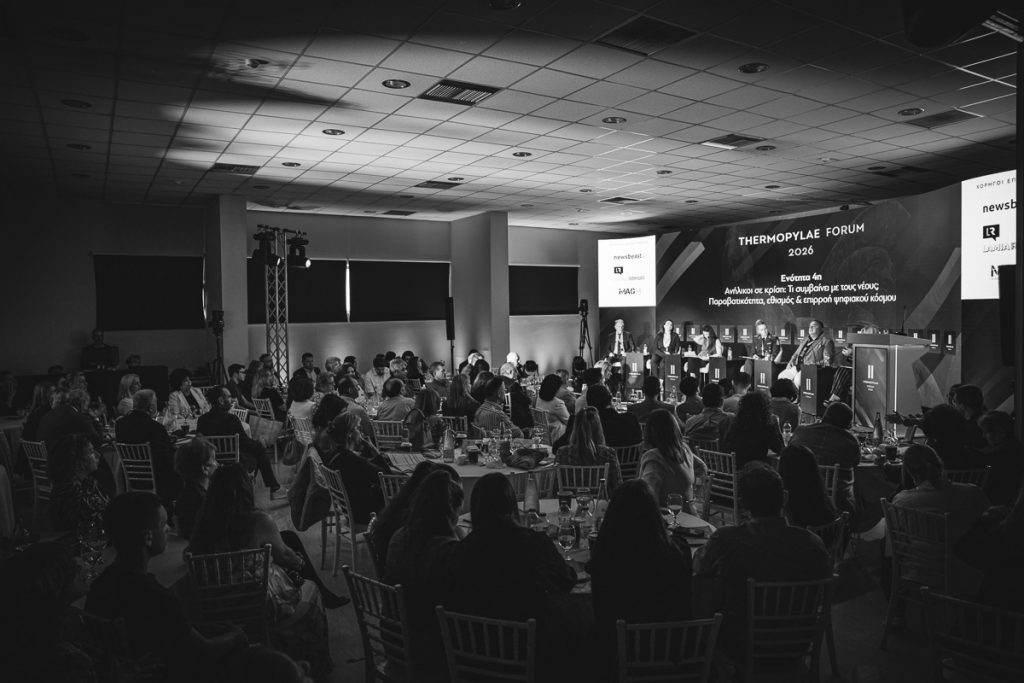
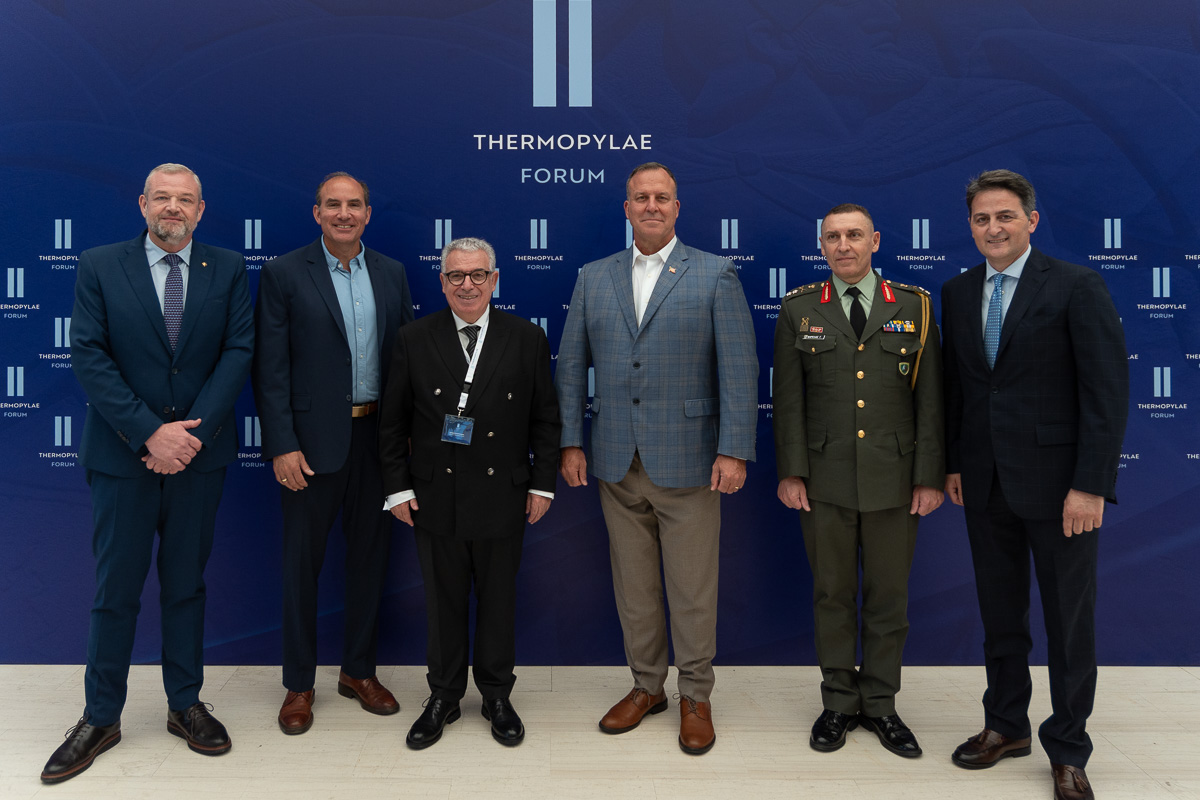
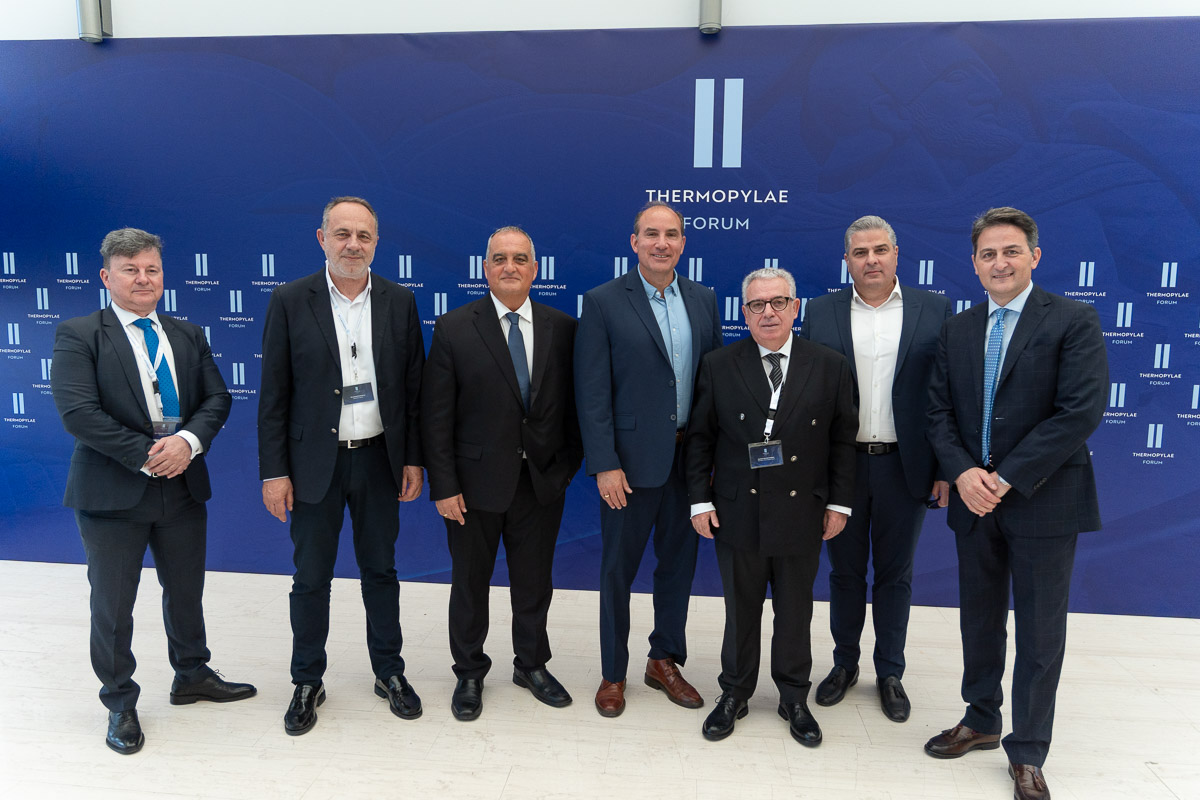
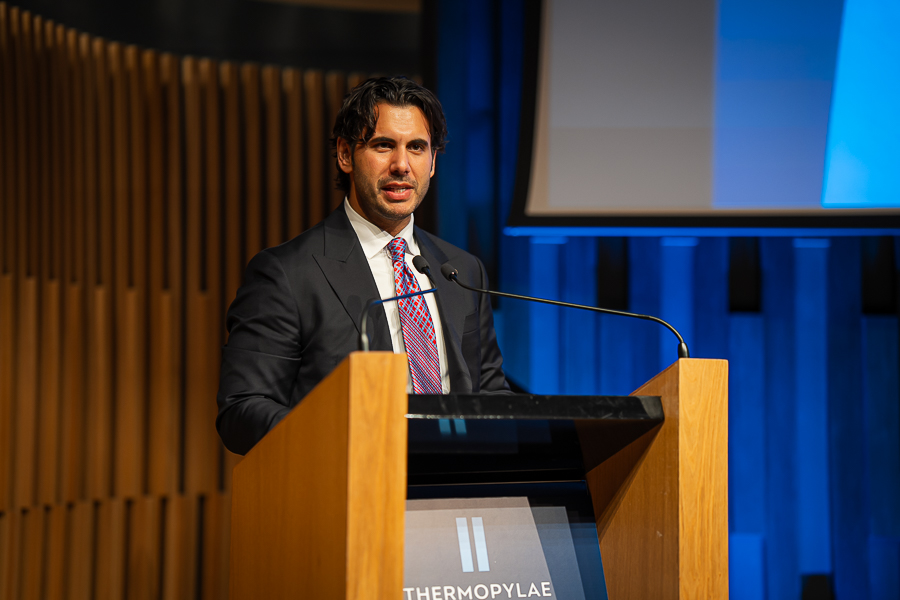
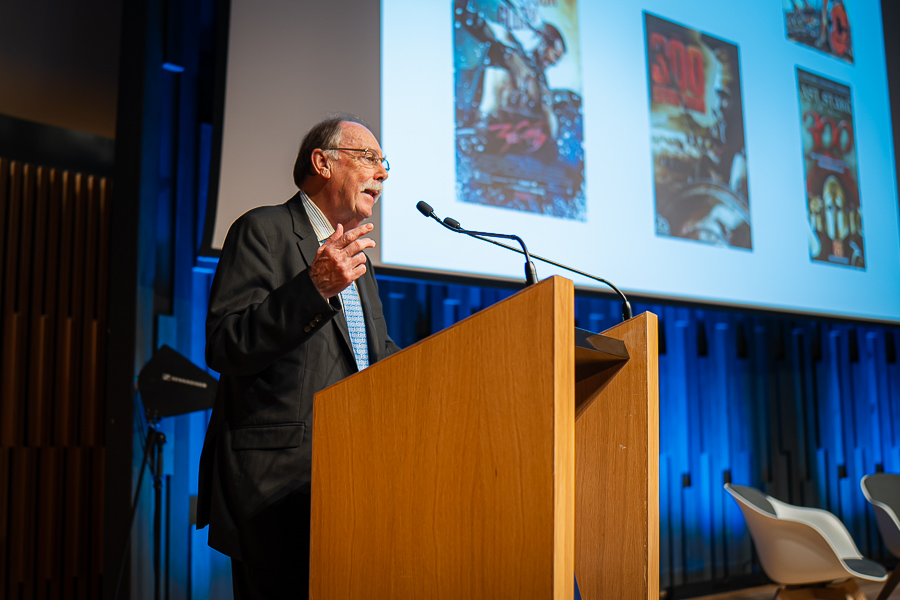
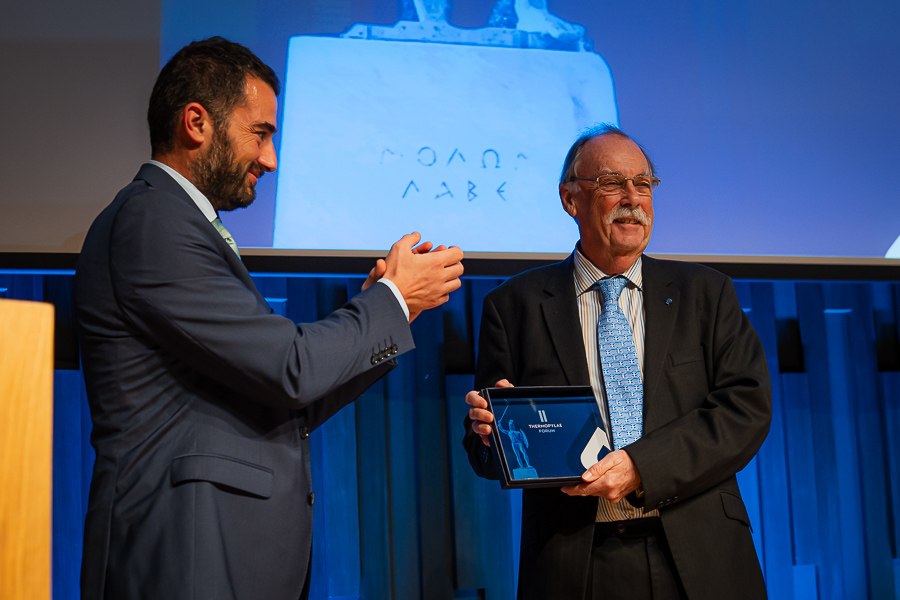
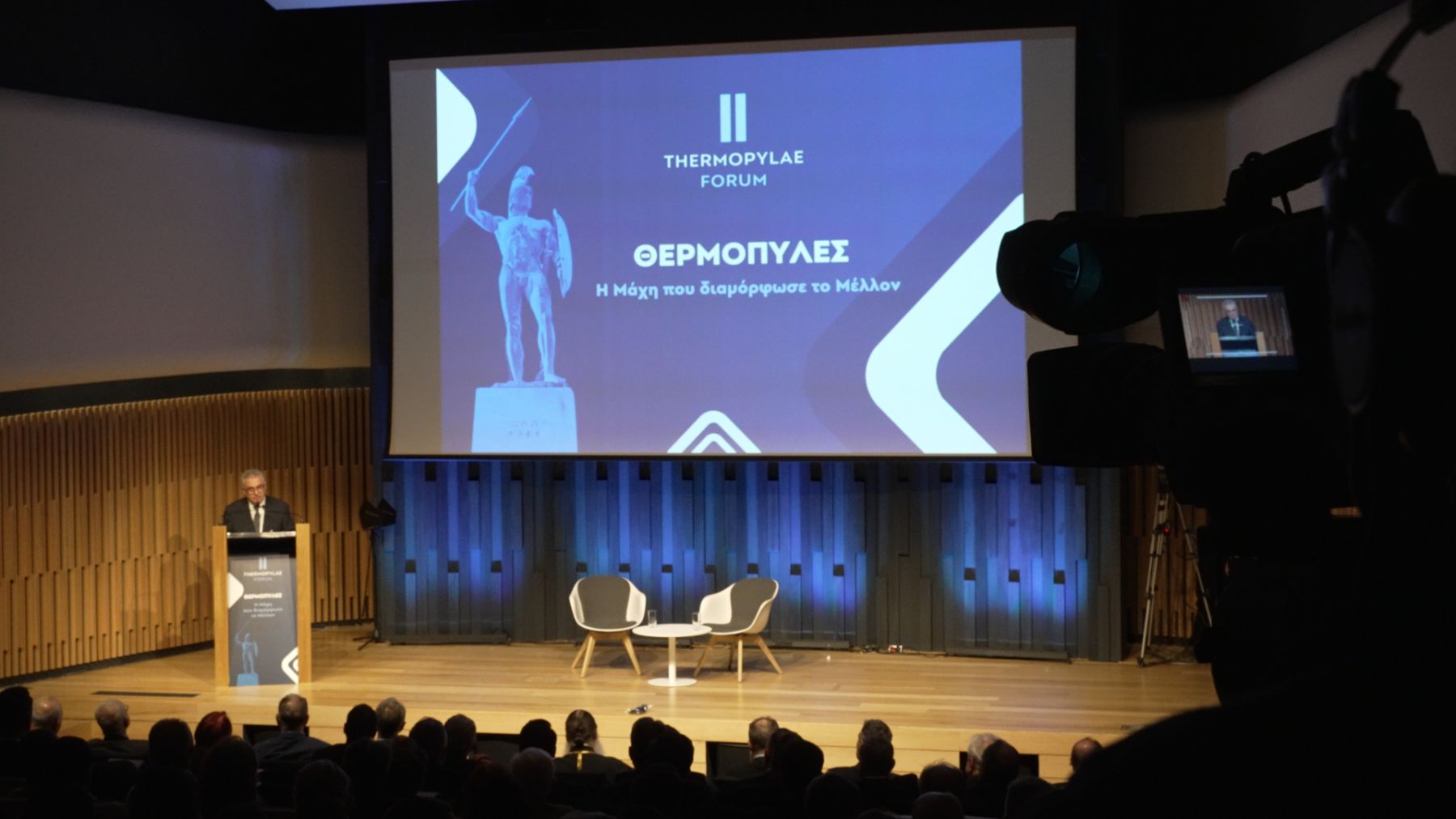
Professor of Digital Telecommunications Systems at the Aristotle University of Thessaloniki, Giorgos Karagiannidis, spoke at the Thermopylae Forum 2026 about what the world will look like after 2030 and the way 6G networks and artificial intelligence will be used.

Speaking with journalist and Newsbeast.gr Editor-in-Chief Viktor Montzellis, the professor noted that what has been happening over the past 30 years is unprecedented in world history.
“We are experiencing enormous changes; we are living through a major revolution which, however, is not fully understood by us, because we are living within this ‘window’ of time. Future historians, however, will record it,” he said.

He explained: “I have been following the evolution of technology in telecommunications since the second generation, GSM, and since 2020 we have been on the path towards the sixth generation. These generations — the ‘Gs’, as they are called — concern improvements in wireless networks and how these improvements have been translated into applications that affect people’s everyday lives.
The fifth generation, 5G, which first came into operation in 2020, is a generation that has not had such a major impact on applications, due to certain technological difficulties. What has happened over the past five years is the major change brought about by the introduction of artificial intelligence.”

The professor noted that now, in the sixth generation, which is expected in about seven years, there will be a simultaneous introduction of artificial intelligence, aerial platforms and low-Earth orbit satellite communications. “In addition, the network will not only transmit information, but will also ‘sense’ the environment by detecting it. In other words, the network will also function like a radar,” he explained.
“After 2030,” according to him, “we will certainly have communication between vehicles moving on the national highway, with the aim of avoiding collisions. The goal was for this to happen with the fifth generation — that is, by next year — but for technical reasons it did not move forward. After 2030, however, using artificial intelligence, I am certain that we will see this. All major car manufacturers are currently incorporating services of this kind.”

Asked whether Greece can support sixth-generation networks, he replied that “our country is a pioneer in 5G wireless networks, with 98% coverage, one of the highest rates in Europe. We are also 4th in the world in terms of infrastructure that can stand and be used without the support of the previous generation. So, we have the advantage of having facilities that allow us to make the transition.
On the other hand, however, sixth-generation networks will be quite dense, and base stations — the cells — will need to communicate with one another. Therefore, we need a fairly extensive fibre-optic network, and this is where Greece faces a major problem. Another factor for the success of the sixth generation is computing power, data centres. Today, serious investments are being made in Greece in this specific sector.”
The proposal for the creation of a technology hub in Lamia, at the centre of Greece
Precisely because Fthiotida has the advantage of being located at the centre of the country, he proposed that the region’s old industrial zone be transformed into a technology hub with a special status, so that it can attract high-tech companies.
“This would result in the development of the region and would support the demand for a university in Central Greece. The institutions of Fthiotida must fight for the creation of this high-tech hub, with a special tax regime. The space exists.”

The greatest challenge currently concerns cybersecurity, mainly in critical infrastructure such as energy, defence, telecommunications and other key sectors.
“What will exist in the sixth generation is the minimisation, as much as possible, of the concentration of personal data on servers. In other words, data processing will take place locally, avoiding the transfer of data to the cloud or to other servers.”


Finally, he noted that technology has radically changed the way wars are conducted. In the war in Ukraine, as he said, we saw for the first time the simultaneous use of aerial platforms and artificial intelligence.
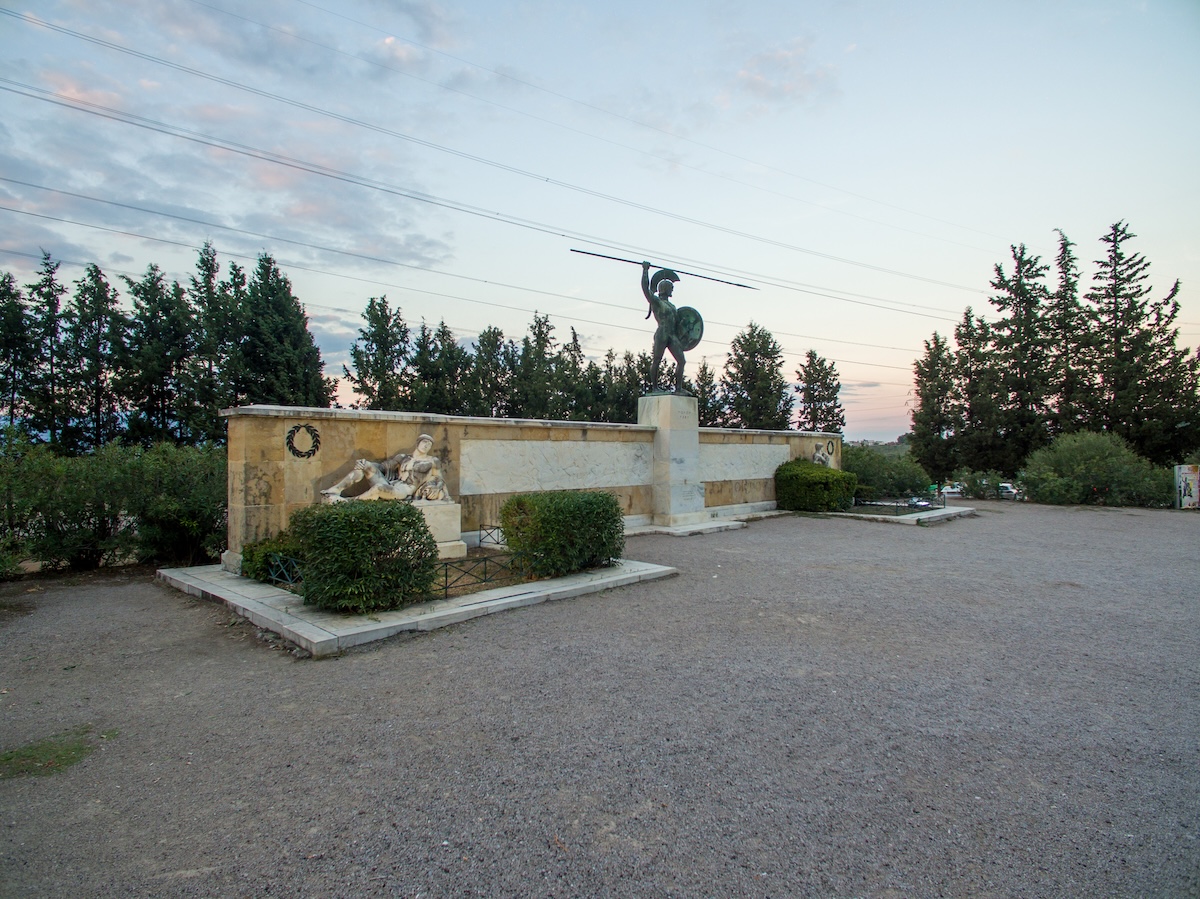
“It shows us how war will be conducted in the future. Every battle, however — even the Battle of Thermopylae — has a weak point. In the case of Thermopylae, that weak point was Ephialtes, who showed the Persians the path. And in the age of artificial intelligence, there is a corresponding Ephialtes: the fear that the chain through which we receive data and use it to activate weapons may be broken.”
Watch the video from the 1st Thermopylae Chat: