“When vision is built through action”…
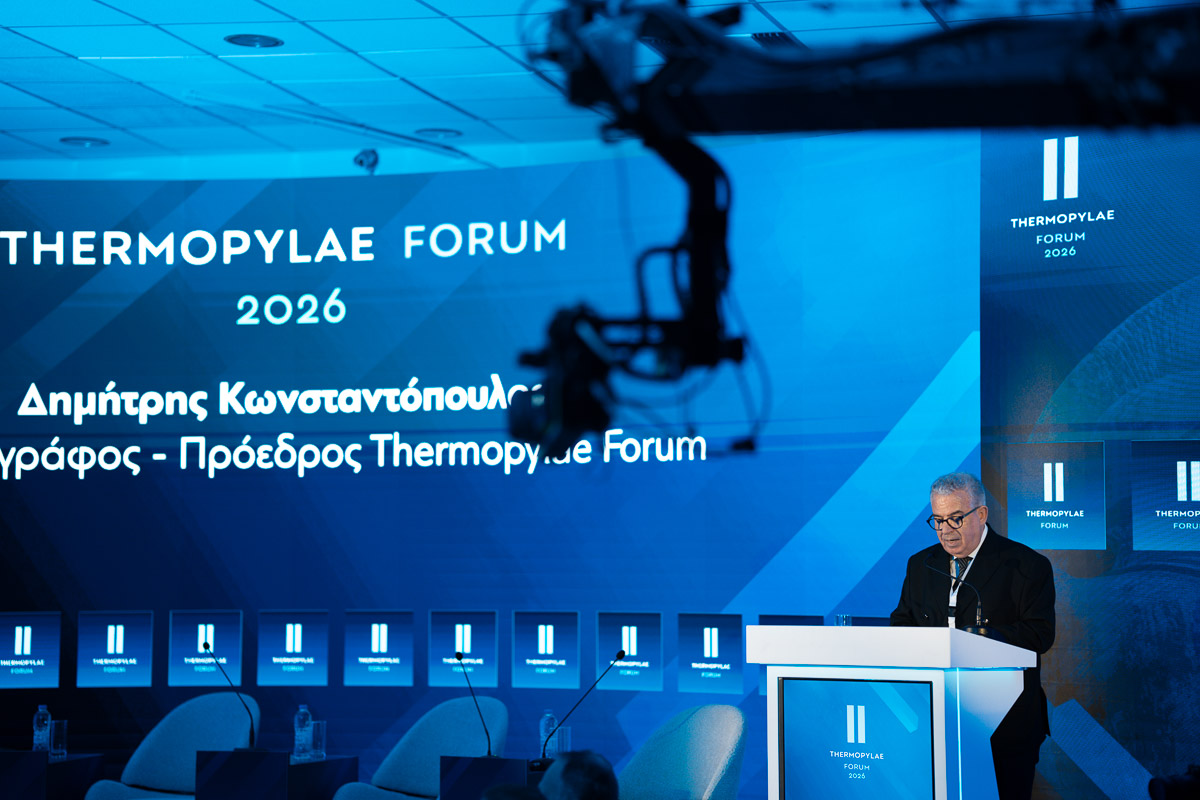
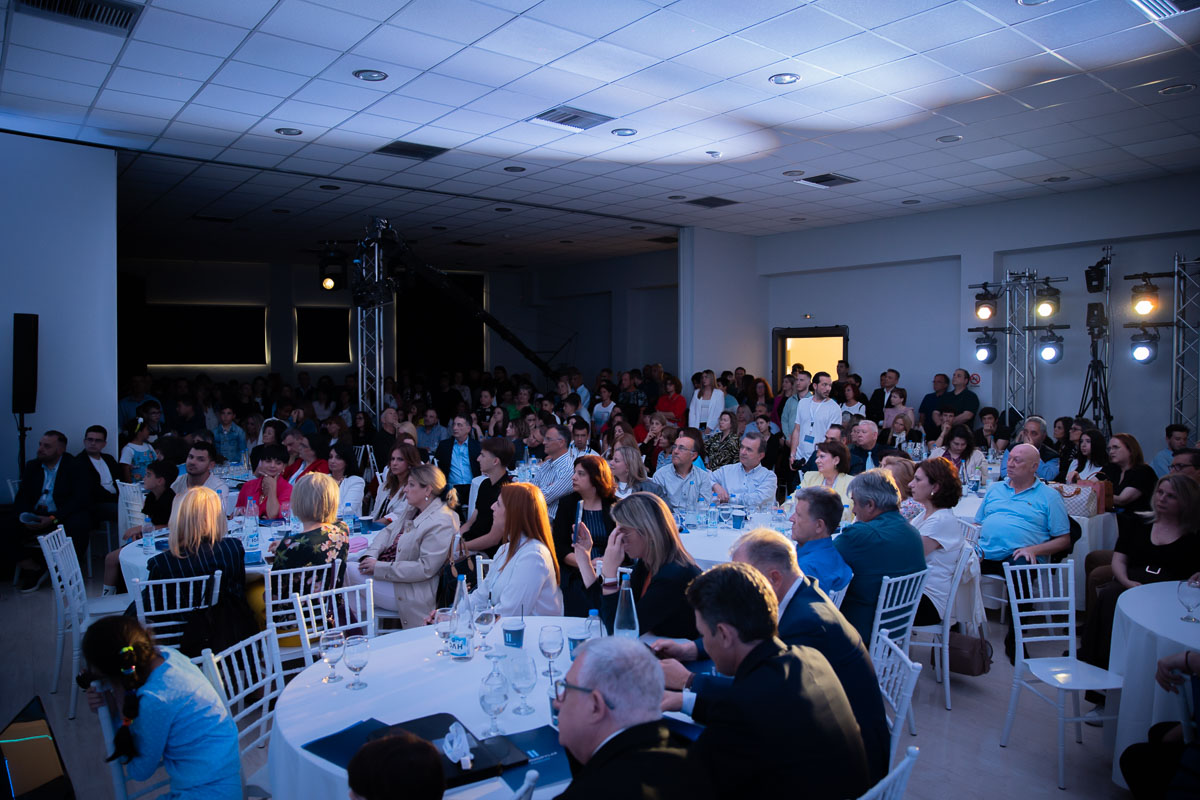
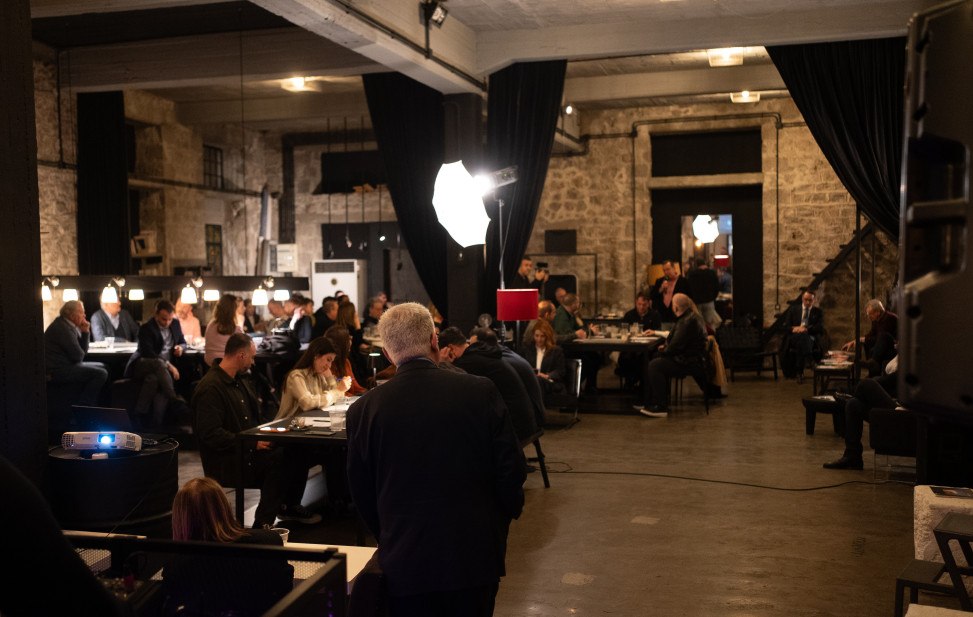
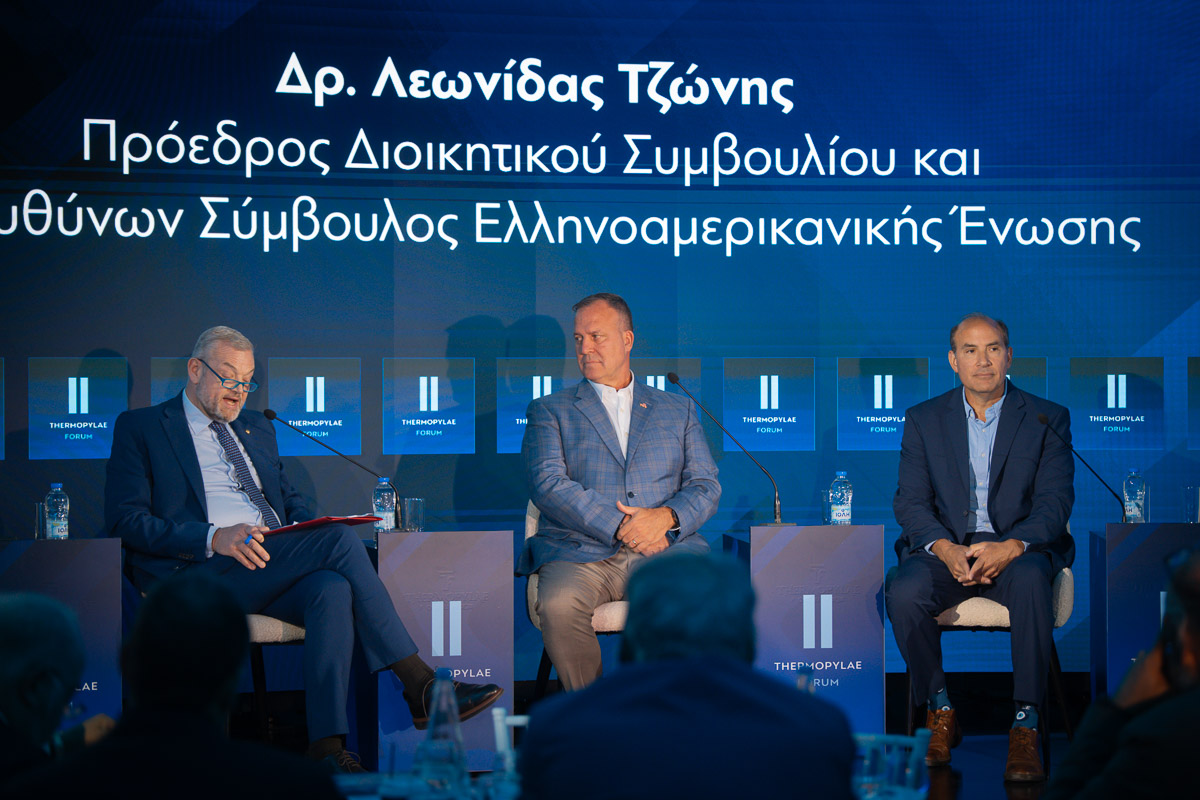
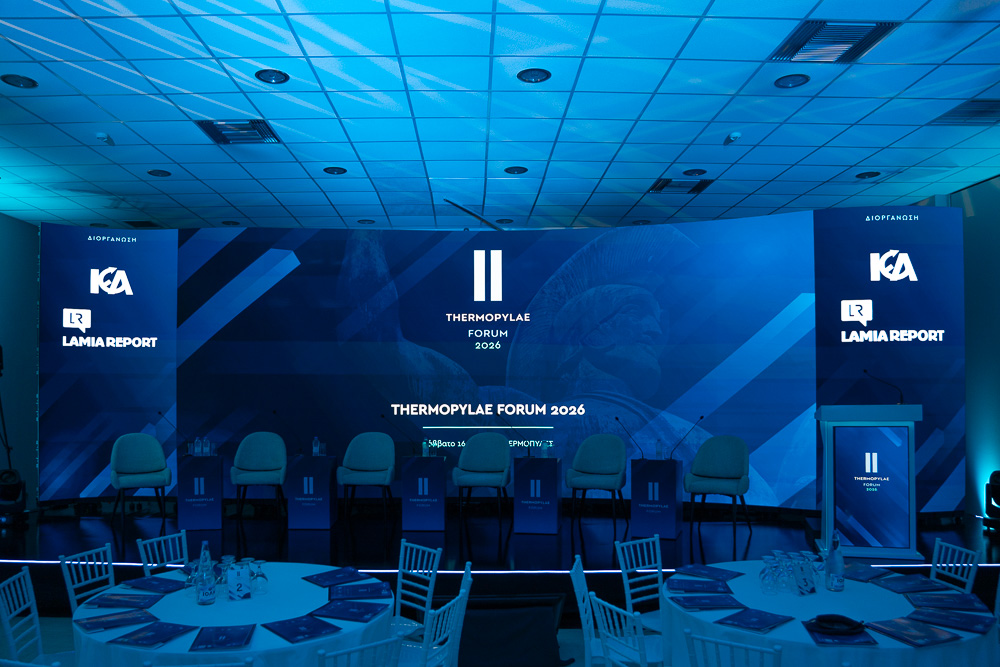
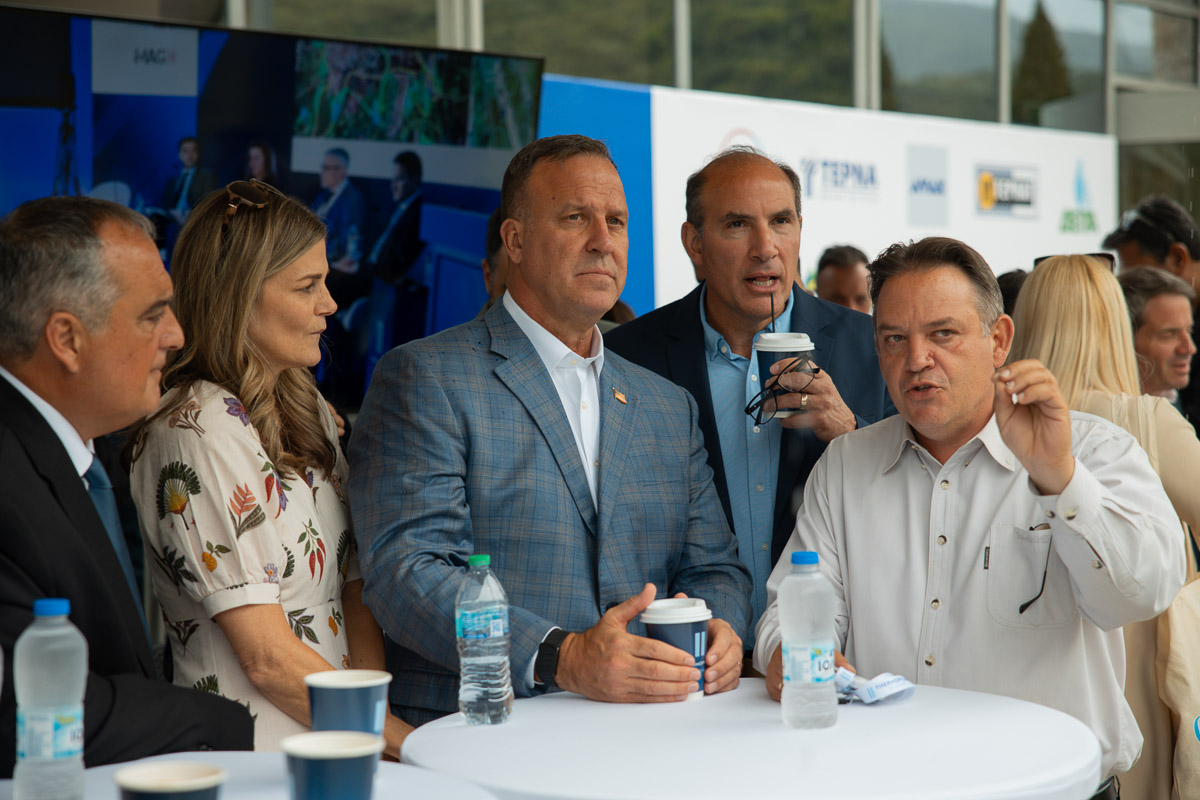
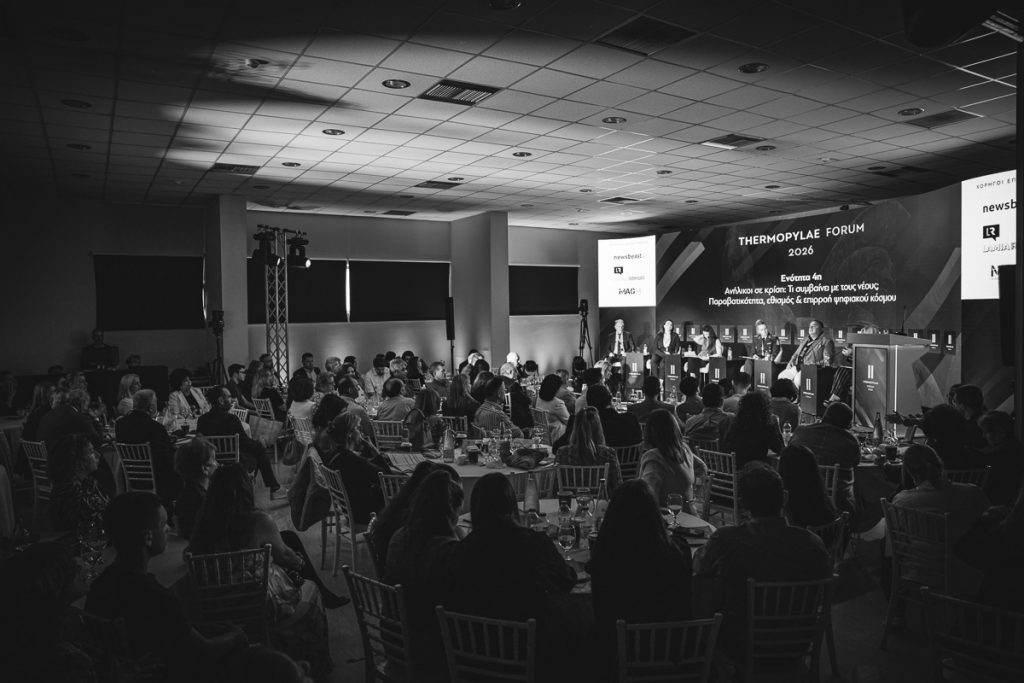
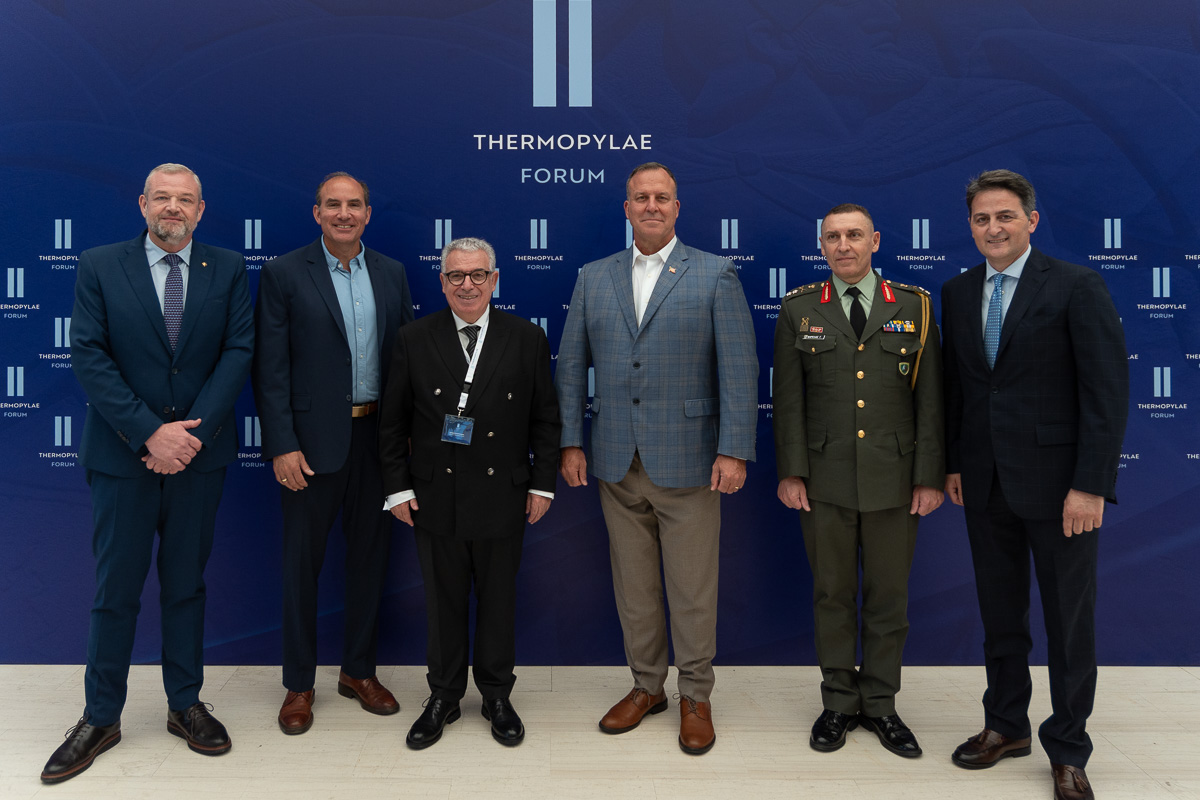
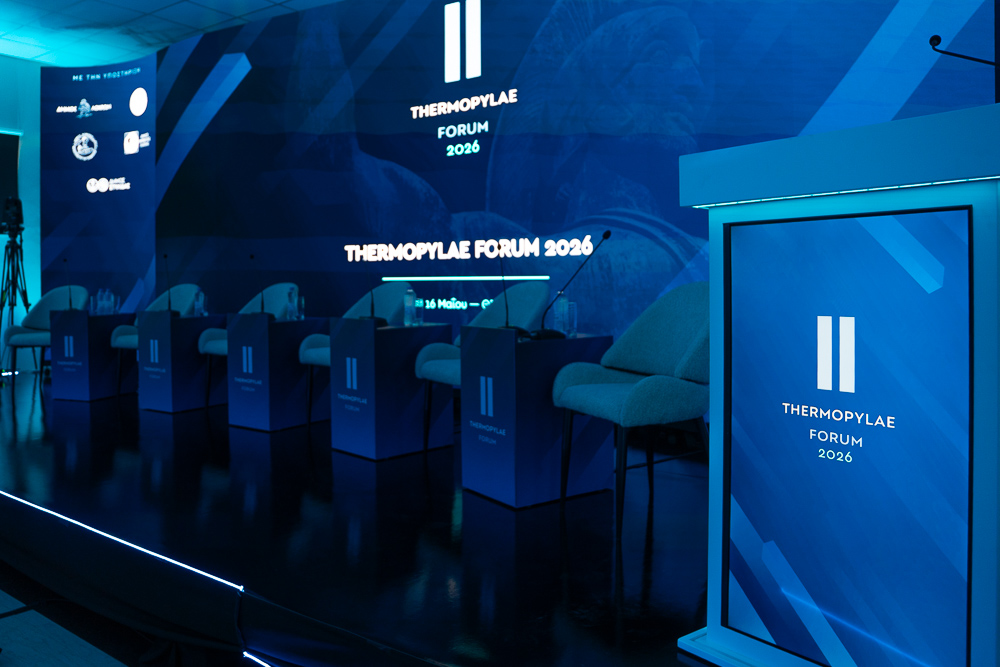
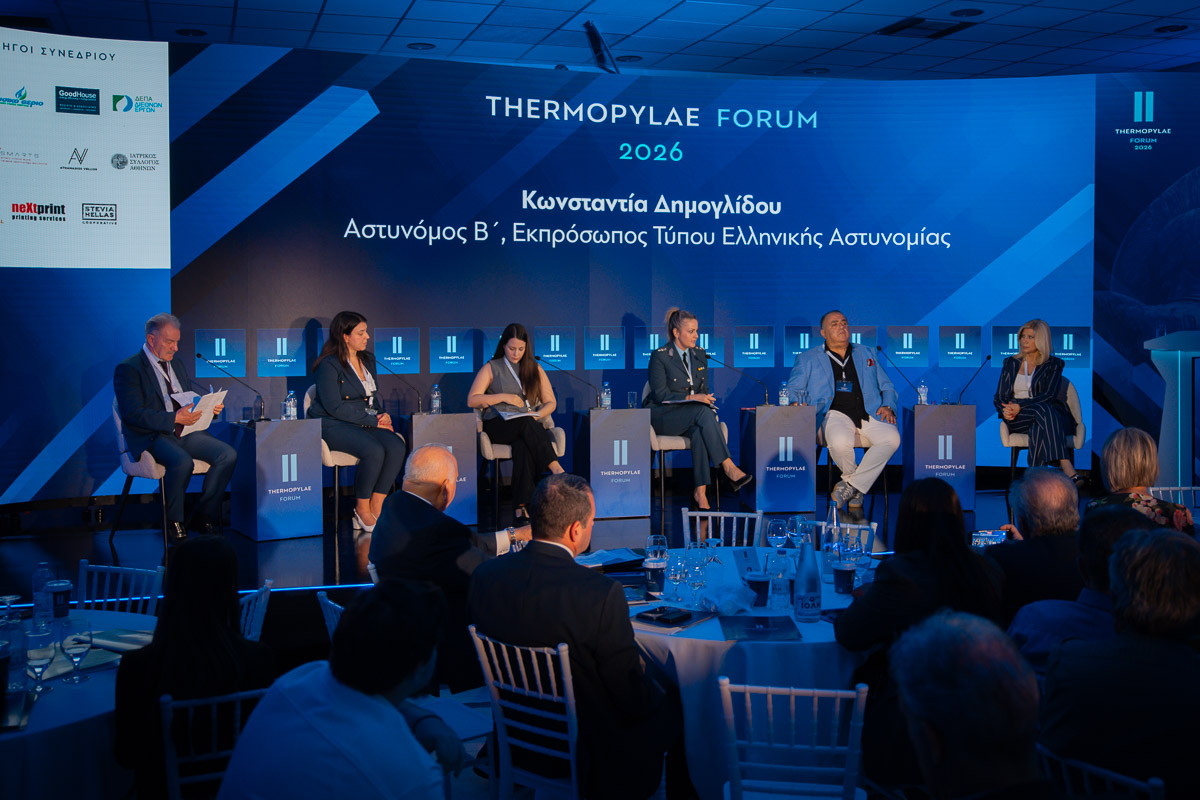
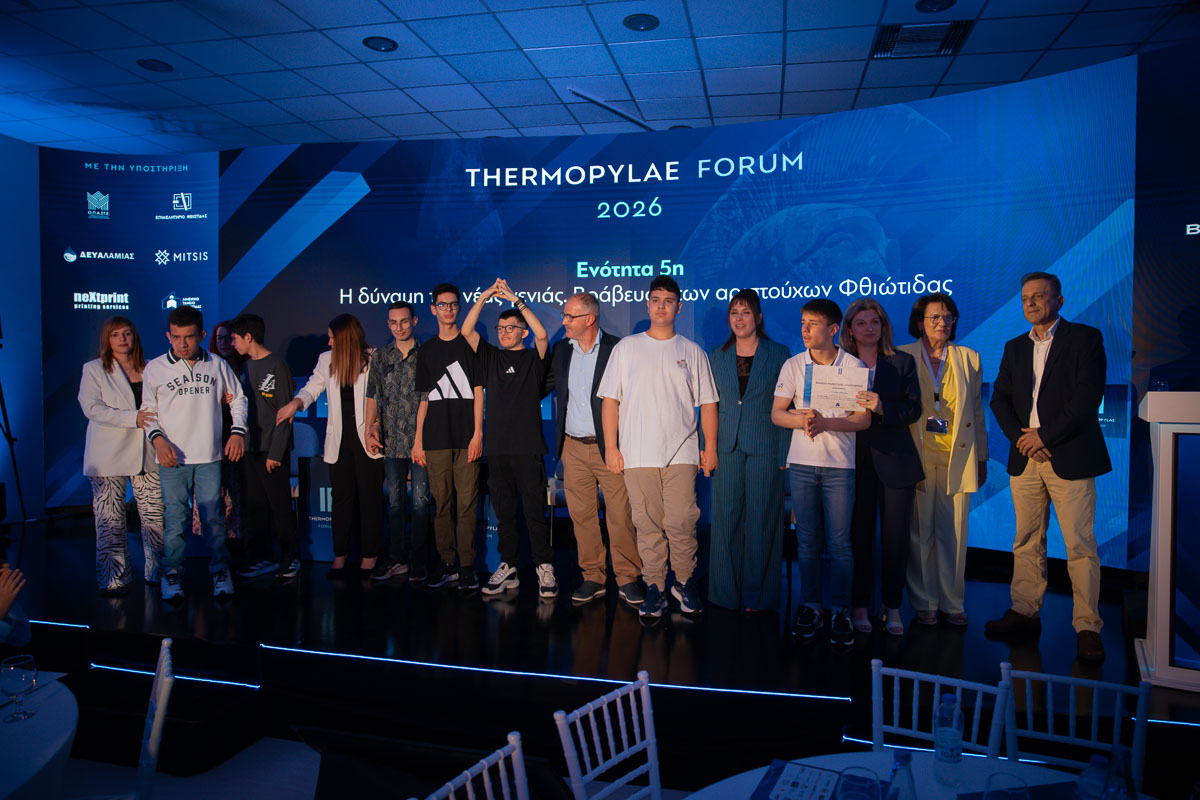
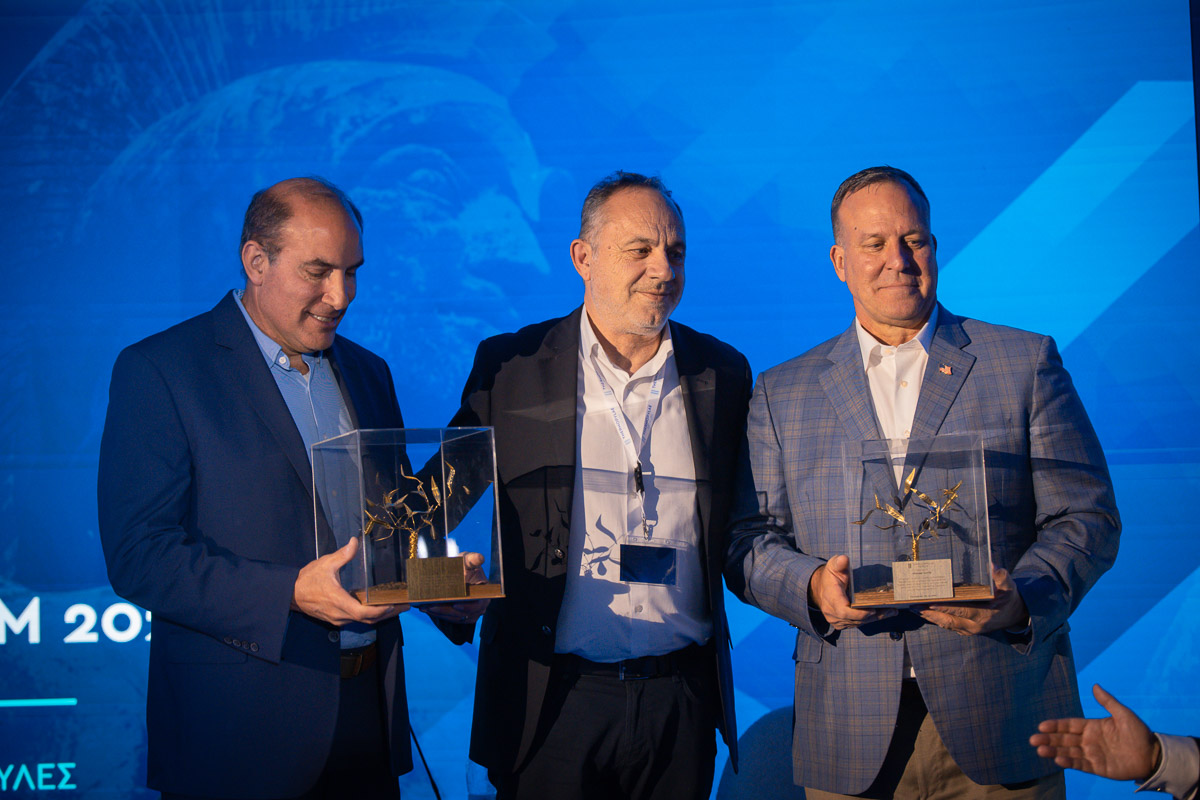
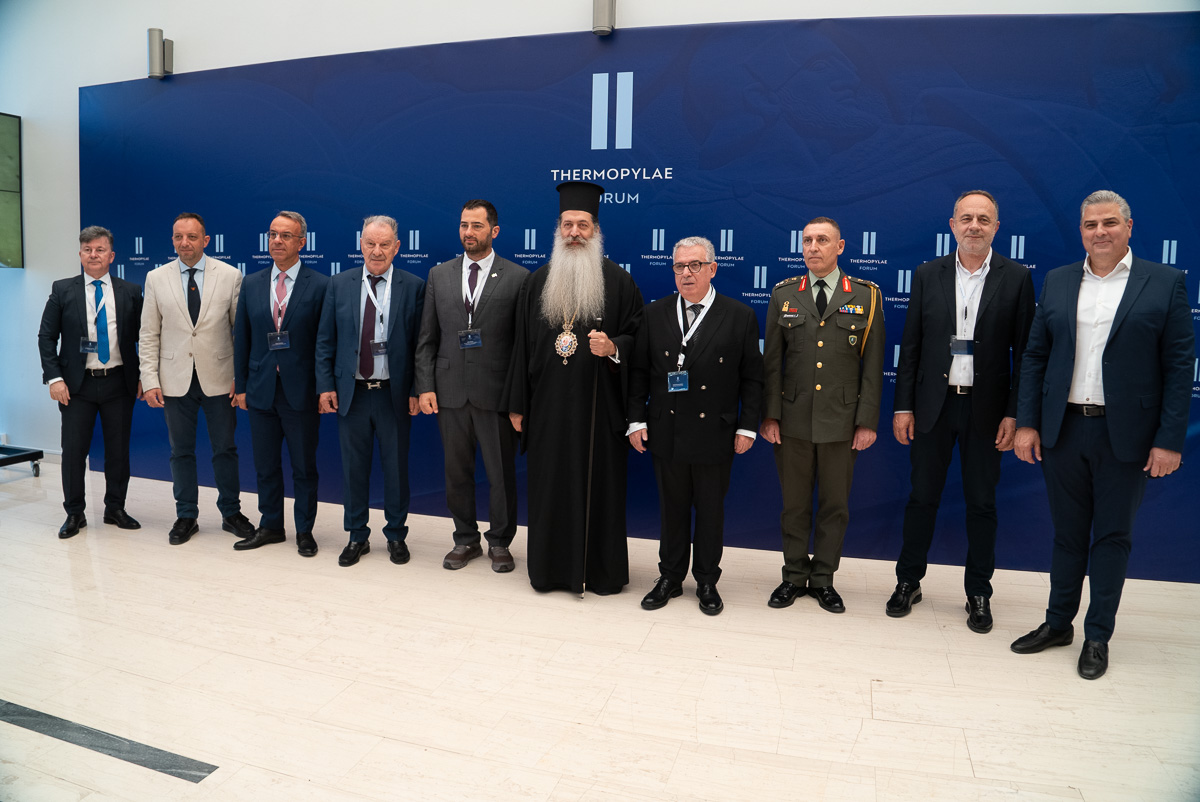
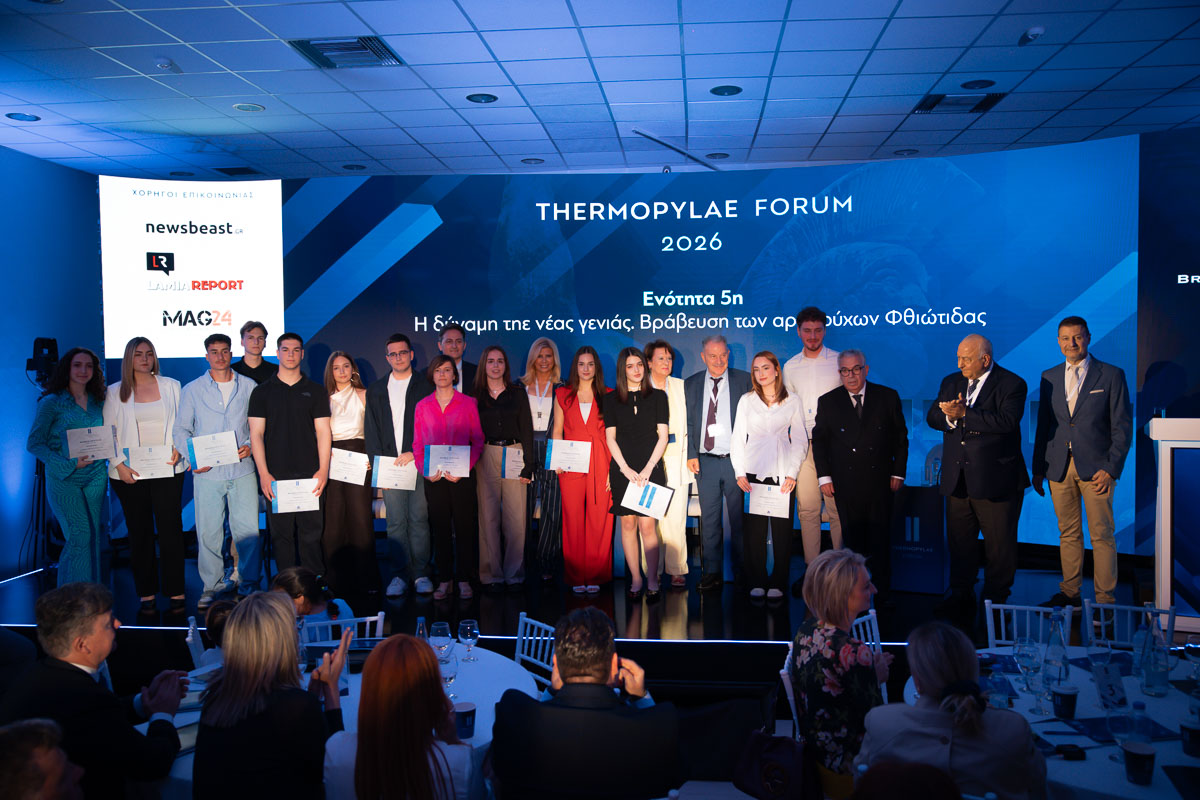
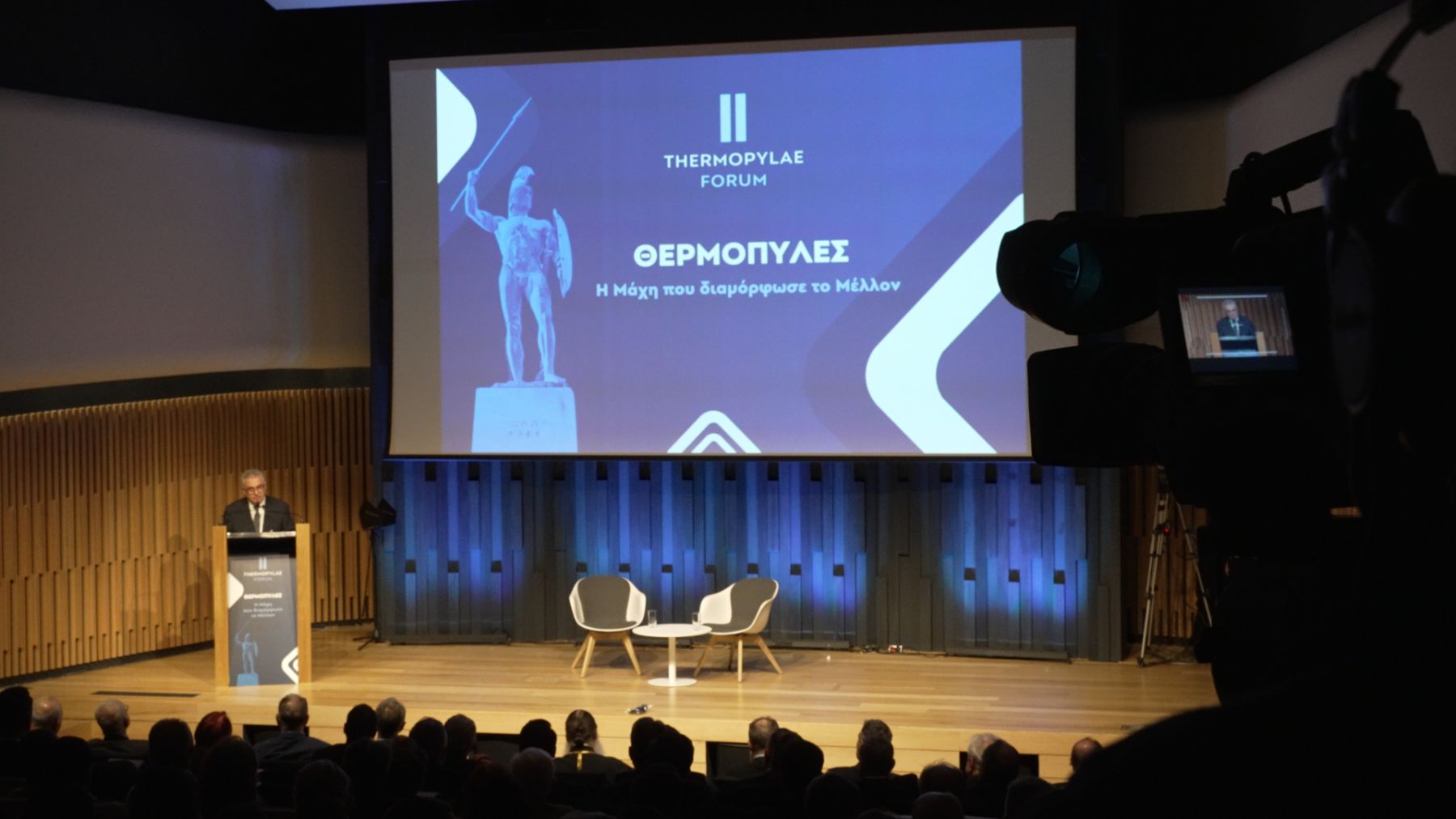
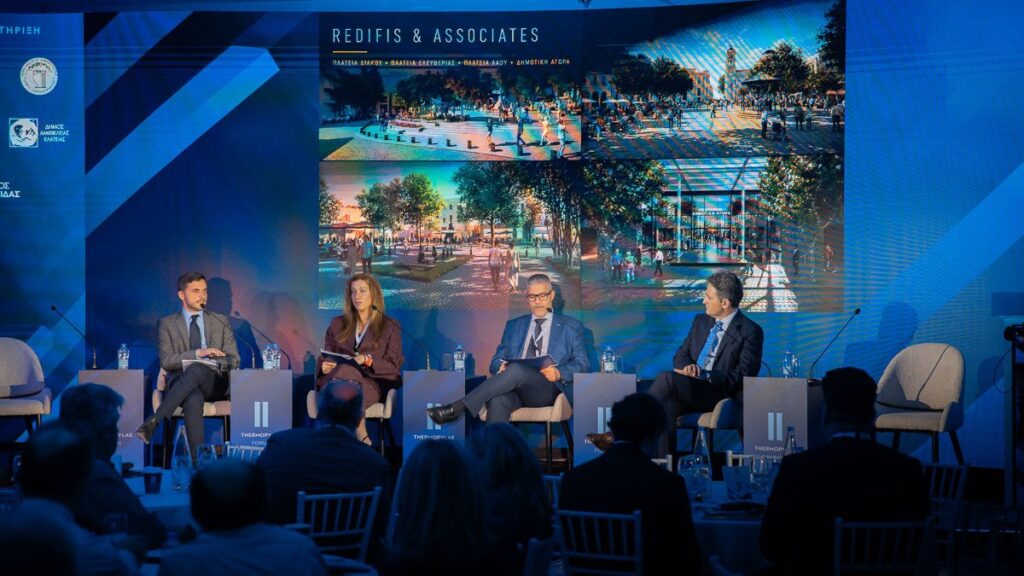
The way in which visions are built through action was one of the topics discussed at the Thermopylae Forum 2026, held today, Saturday, May 16, at the Innovative Centre of Historical Information of Thermopylae.
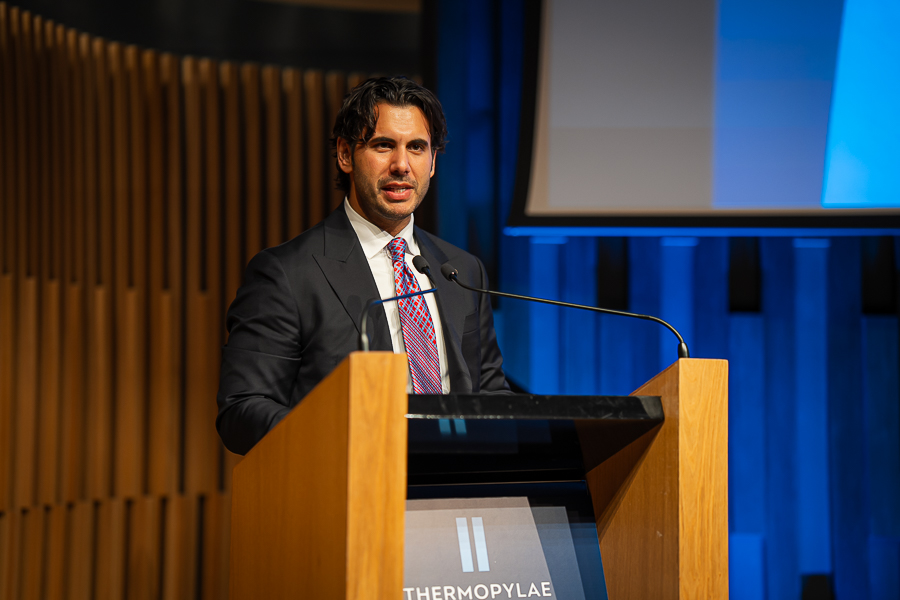
As the panel moderator, Christos Stamatis, CEO & Co-Founder of Stevia Hellas and Secretary of the Board of the Thermopylae Forum, characteristically noted: “2,500 years ago, Heraclitus said that you cannot discover anything unless you first envision it. Twenty-five centuries later, a modern philosopher, Yuval Noah Harari, said that humanity developed through imagined stories that some created and made others believe in. Many companies, before becoming successful, were simply ideas in people’s minds. They were realised because some people believed in their initial ideas and turned them into reality.”

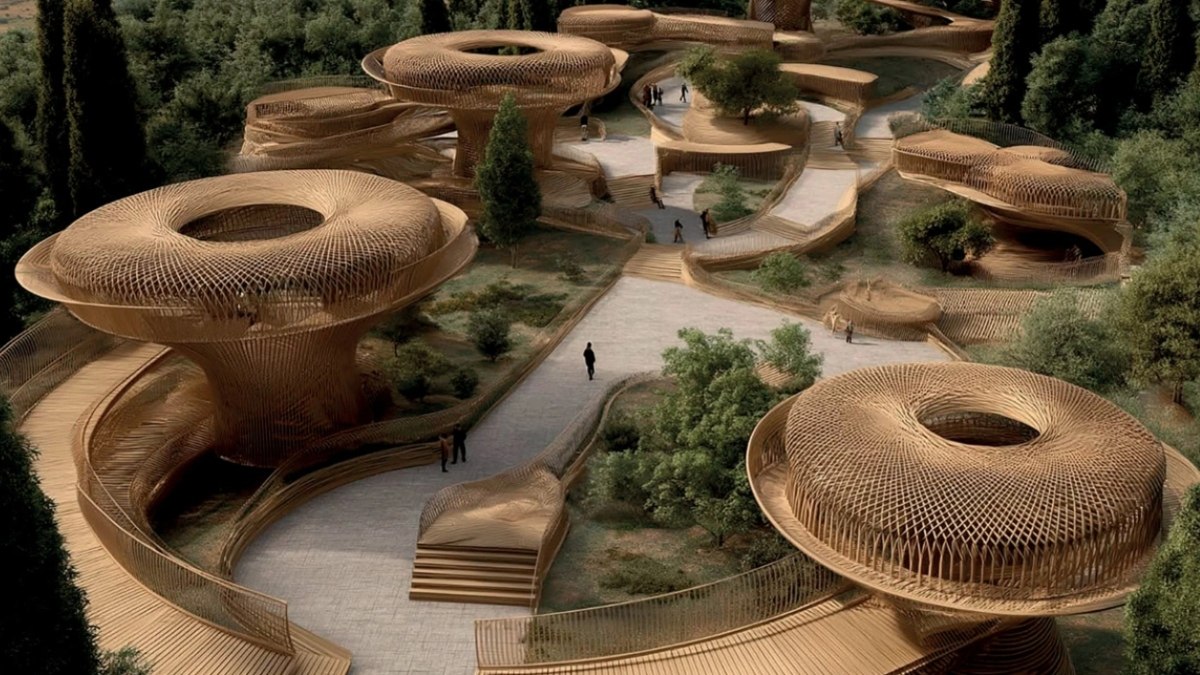
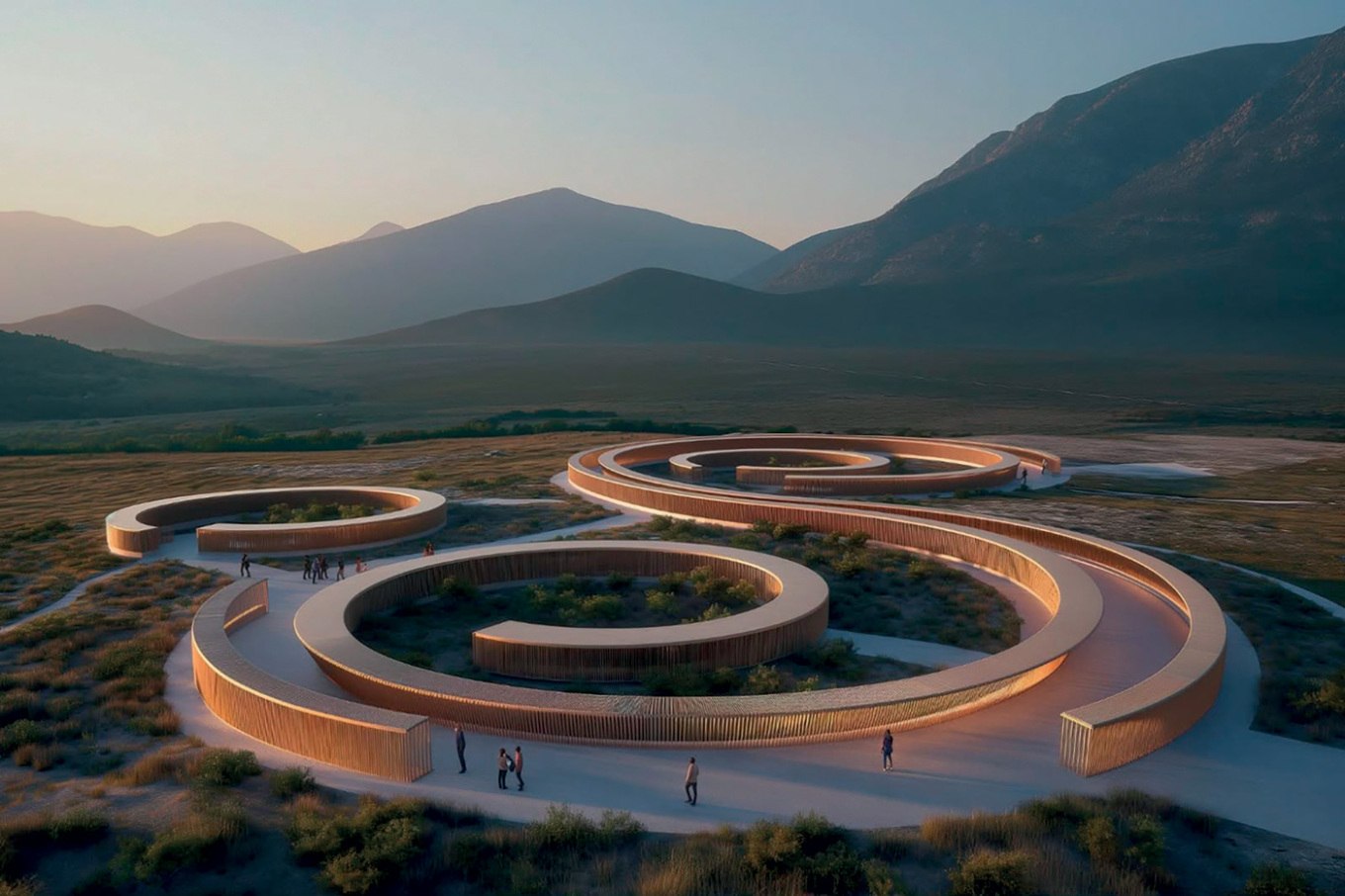
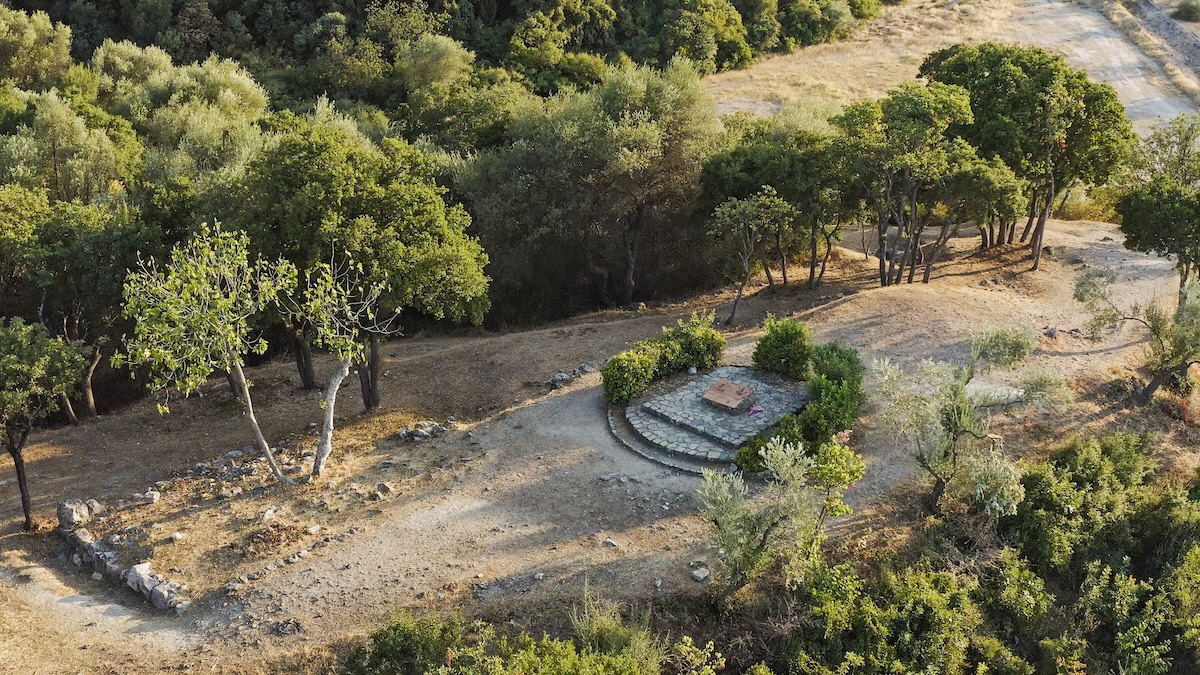
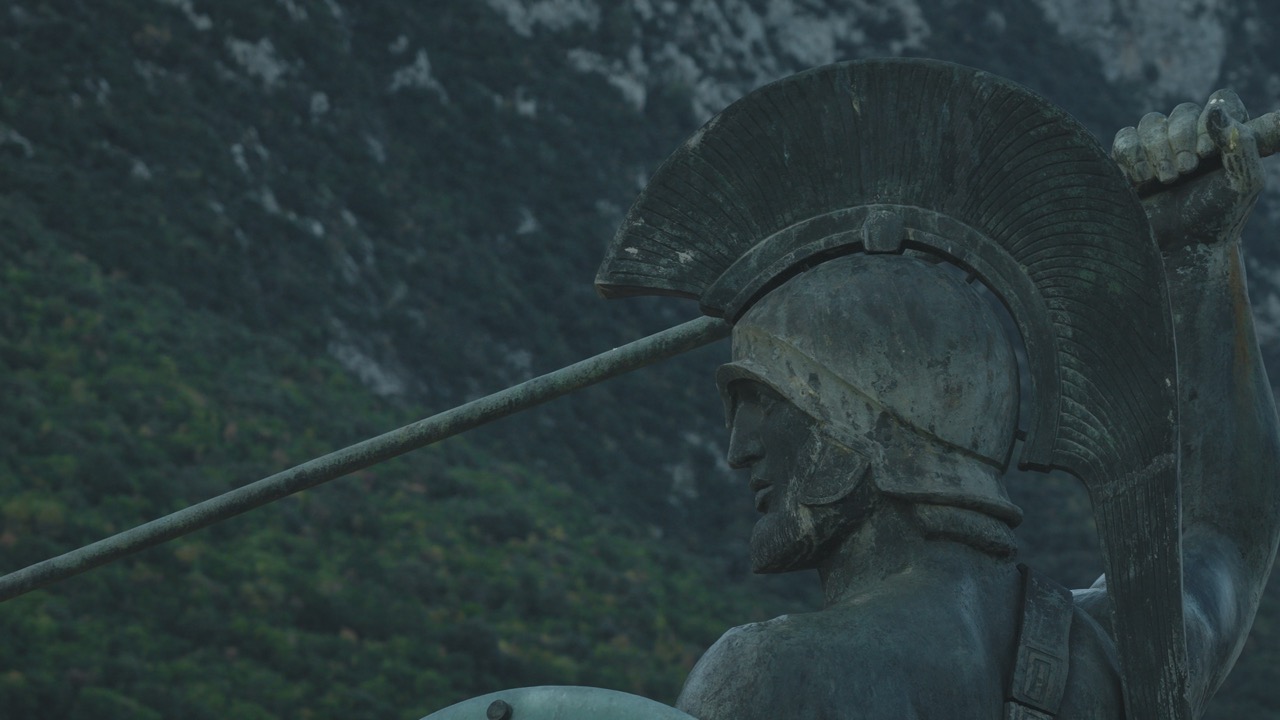
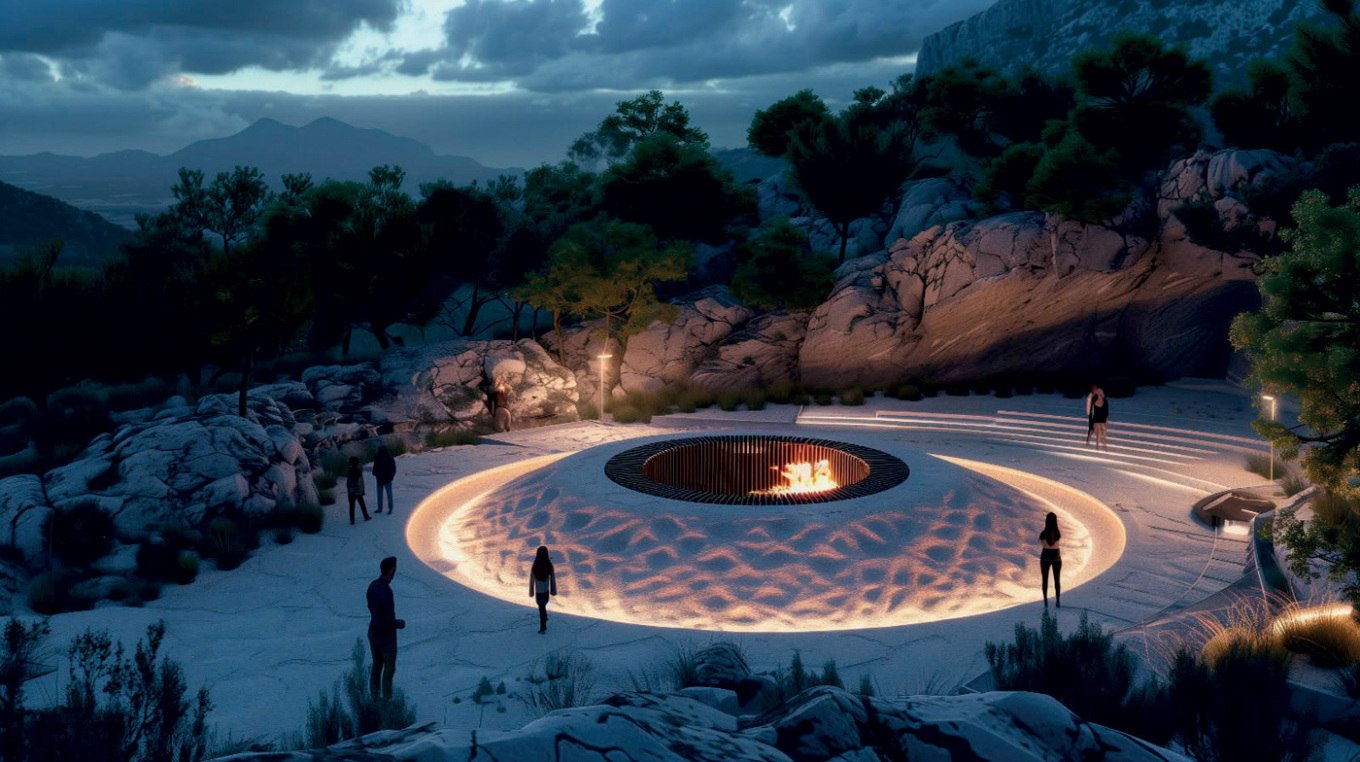
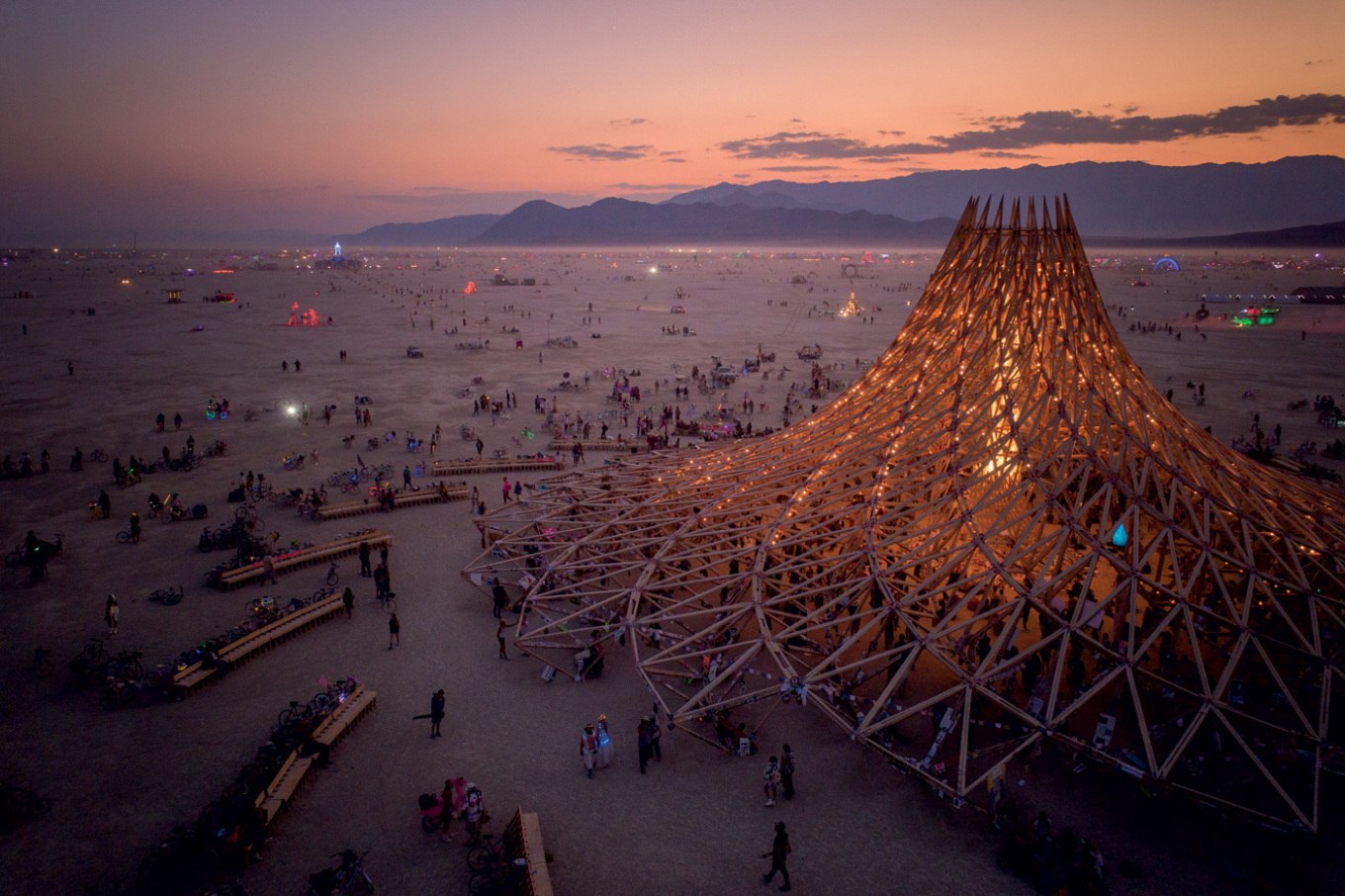
He also revealed that, in the coming period, leading French architect Arthur Mamou-Mani will visit the area in order “to examine our next steps on how we can move from vision to action,” by expanding the existing infrastructure of the Thermopylae Historical Information Centre and creating a more comprehensive experiential museum, with physical structures, walking routes and interactive elements at the historic site of Thermopylae.

The General Director of GreenSustain, Giorgos Tentes, was first asked to refer to the conclusions drawn from the analysis of the green master plan for the wider Lamia area, which had been prepared by the company he represents.
As he said, “the ambitious General Urban Plan provided for 10 sq.m. of green space per resident, while today, according to our measurements, the figure is less than 5. Even in May, in the middle of spring, the eye of the satellite does not see green within the city. However, there are projects underway to improve the situation.”

According to the data he also presented, more than 25% of the surface area of the Municipality of Lamia is covered with asphalt. “The need to improve residents’ living conditions is imperative,” he underlined.

He also referred to the example of Paris, where there used to be a very large square in front of the City Hall, but now an urban forest has been created in its place.
“Citizens can almost no longer see the City Hall because of the greenery. Something similar has also been done in other major cities around the world. You start from the empty spaces you have and begin connecting them, in order to make the city more open to nature,” he noted.

Regarding Lamia, he placed emphasis on sustainability, biodiversity, resilience and inclusion.
“The plan includes green projects in the city centre. At the same time, however, there will also be a second phase, which will extend beyond the municipal unit of Lamia and include a peripheral zone of at least 500 metres, where the green infrastructure created in the centre must be connected with the greenery surrounding the city. In this way, we believe — and with the guidance of other scientific specialisations — that all of this can be transformed into real technical solutions.”

The Head of Strategy and Content at The Design Ambassador, Danae Makri, referred to the company she works for, stating that it is a communications company focused on the built environment.
“This means that we talk about architecture, design and art with interlocutors from other scientific fields, as well as with the wider public. We organise architectural projects, develop integrated strategic communication systems and, at the same time, produce some of the most recognised international events in the sector in Greece, as well as documentary productions and publications.
It is impossible to imagine a building detached from the historical conditions of its time. Buildings are, in essence, what communicate the values, ambitions and priorities of each era,” she said.

She added: “Let us try to imagine ancient Athens without the Agora — democracy itself would not even exist. Even a space that is not built, but has a basic configuration in order to serve a function, such as the Pnyx, which serves its political purpose, is conceptually understood in relation to the Acropolis. The worship of the gods essentially converses with political life and participation. It is located just below the place of divine worship.
If we move a little further along in history and ‘land’ at Notre-Dame de Paris, we know that the entire city of Paris gradually developed around this building, which went far beyond its religious use. And in more modern times, Bilbao in the 1990s was transformed into a global capital of design thanks to the Guggenheim Museum. There is no space and no life for people if a place is not structured.”
She also put forward the idea of creating a new museum at Thermopylae through a participatory design process.

For his part, Lamia-born architect and engineer, graduate of the Aristotle University of Thessaloniki, Christos Pan. Rentifis, referred to his own example, saying:
“My attitude and philosophy of life have a direct impact on the way I operate as an architect, professional and entrepreneur in our city. After completing my studies, I returned to Lamia in 2006. I came back because, with my own eyes, I always see a light at the end of the tunnel, and things that, even if they seem negative, we can overcome. That is my philosophy. I believe that our region can give us the tools we need in order to be active and create.”

Finally, for him, Lamia’s strengths lie in the fact that it is a beautifully designed city with very strong characteristics, such as the fact that its centre was created during the Othonian period by important urban planners of the time.
“The entire urban character of the historic triangle formed by Park Square, Diakos Square and Eleftherias Square constitutes a layout with neoclassical features. In addition, the city has a Roumeliot character, which we must reintroduce, especially in Laou Square, with its plane trees and waters.”
Watch the full discussion: