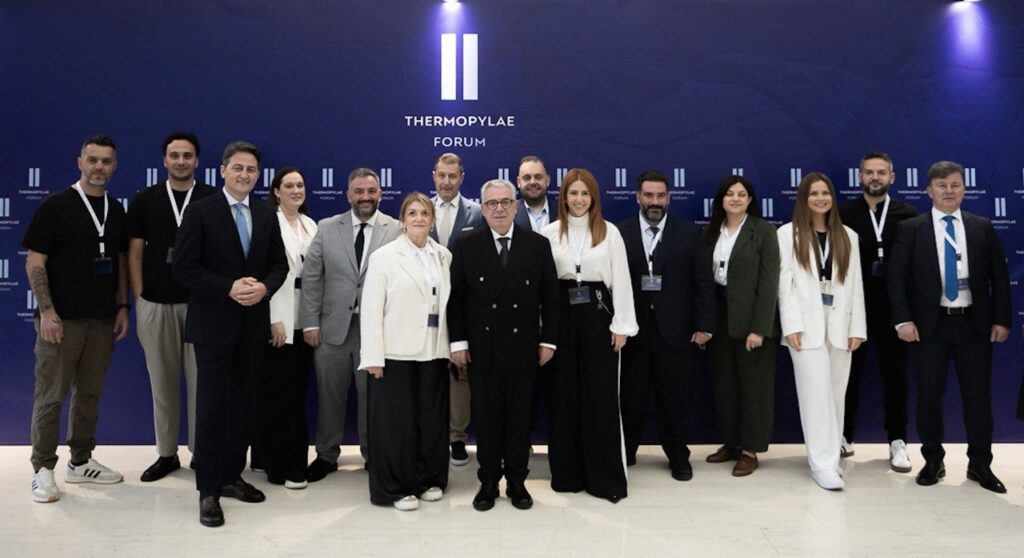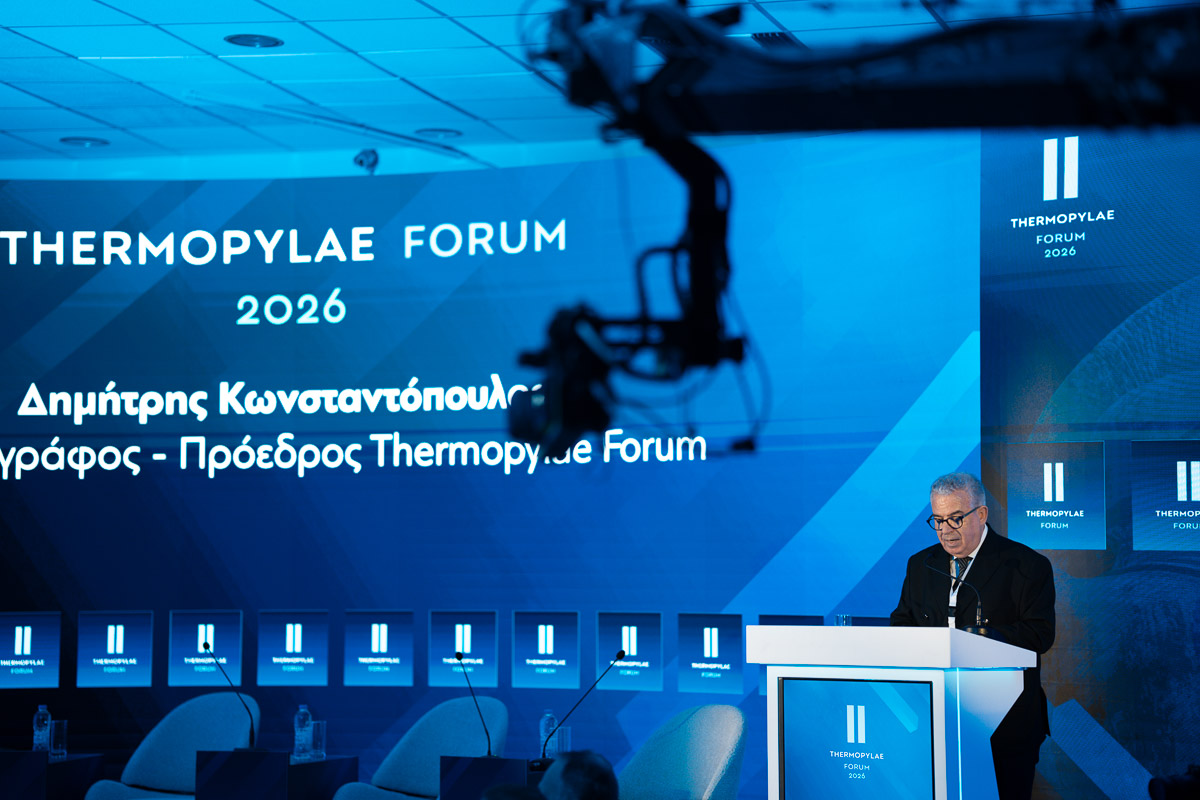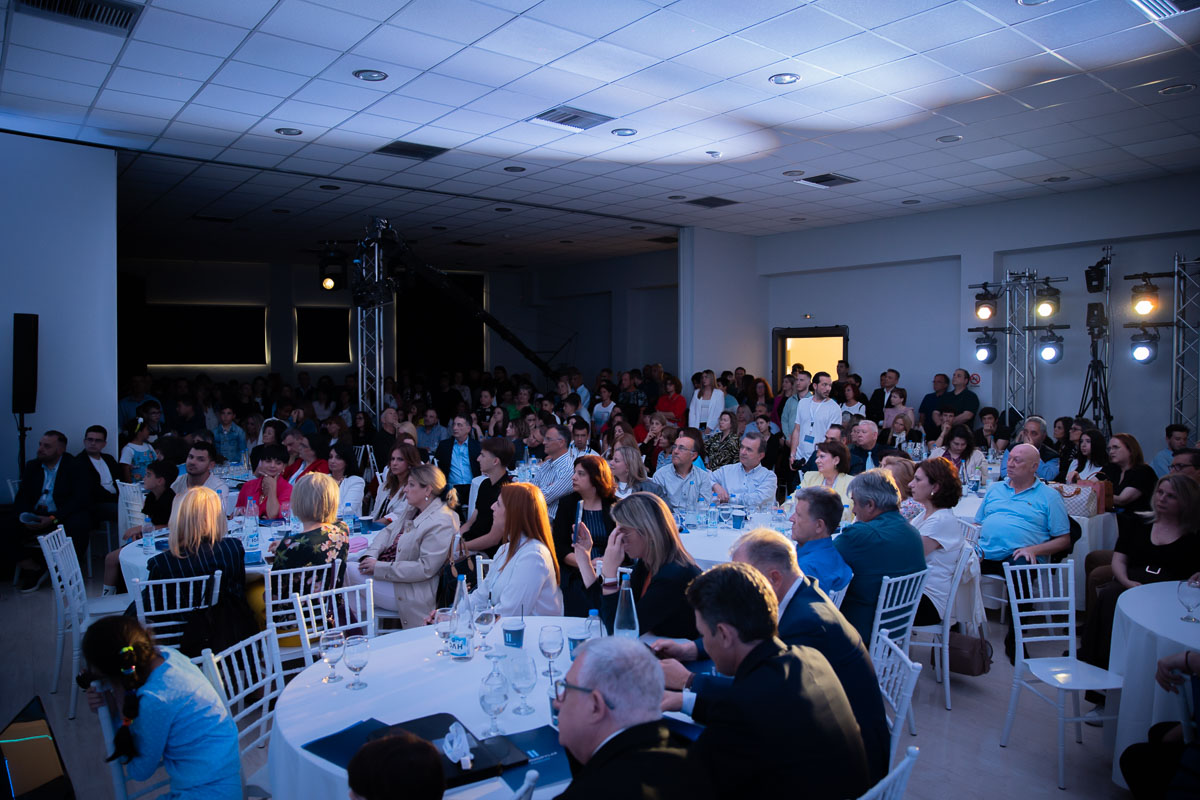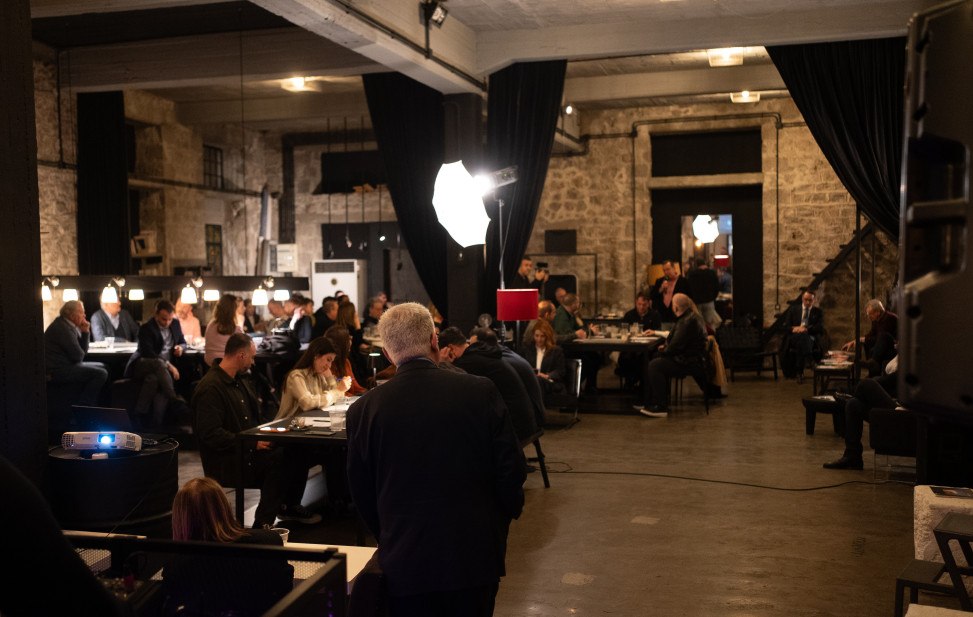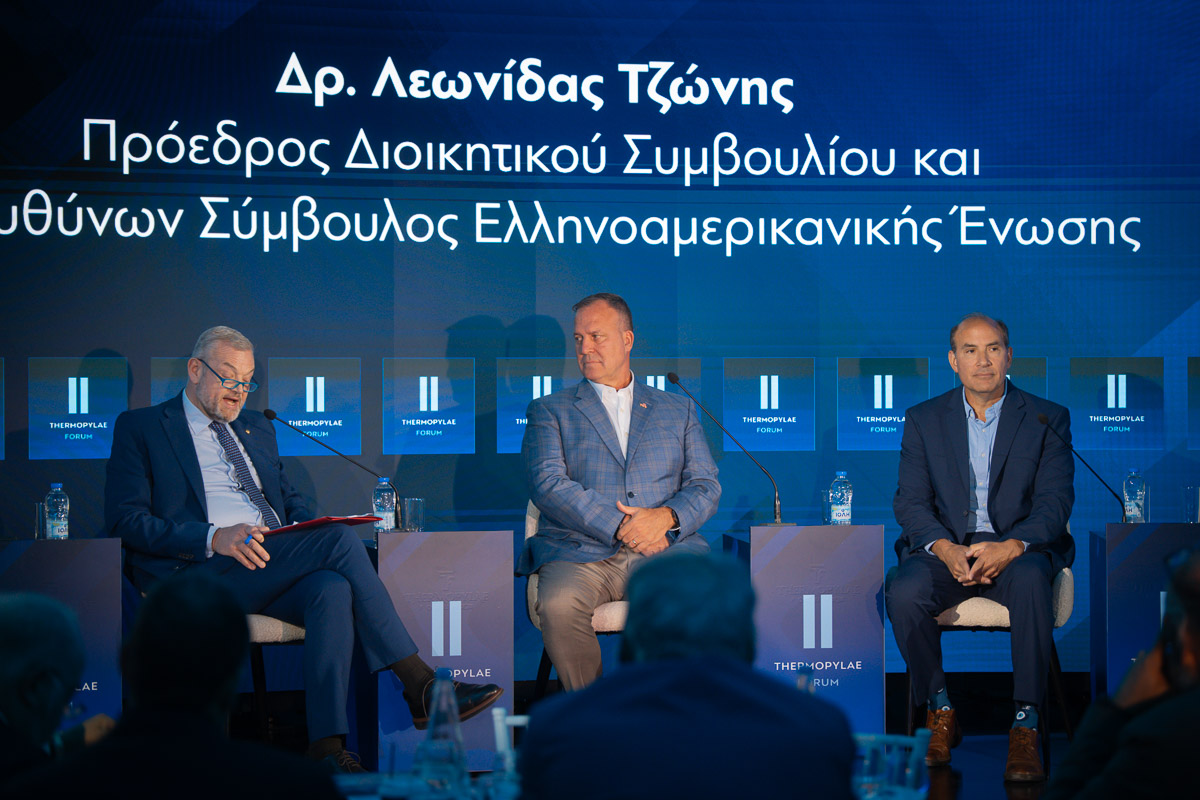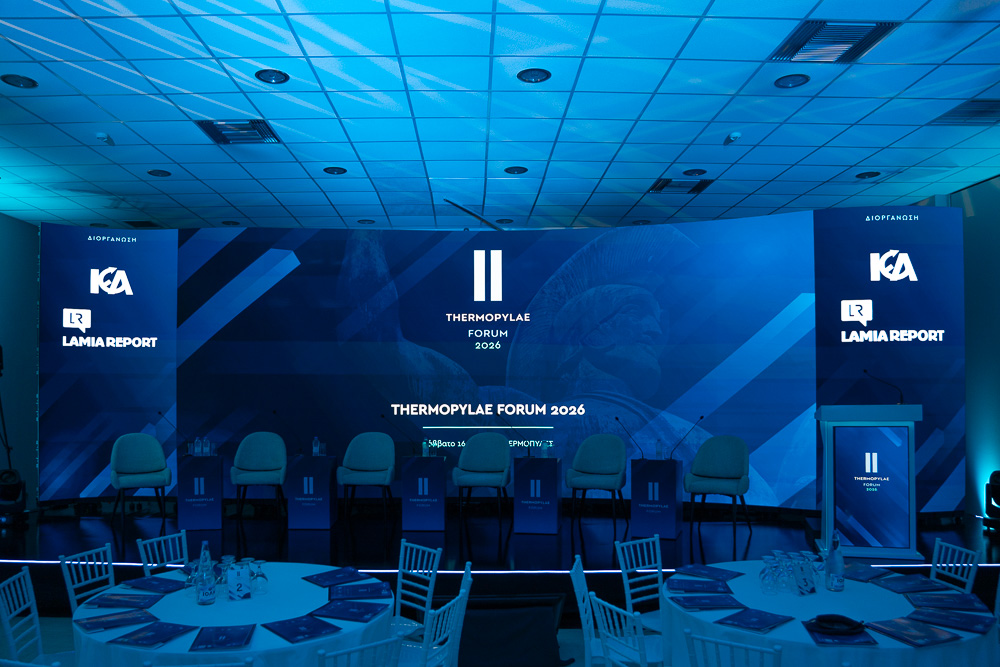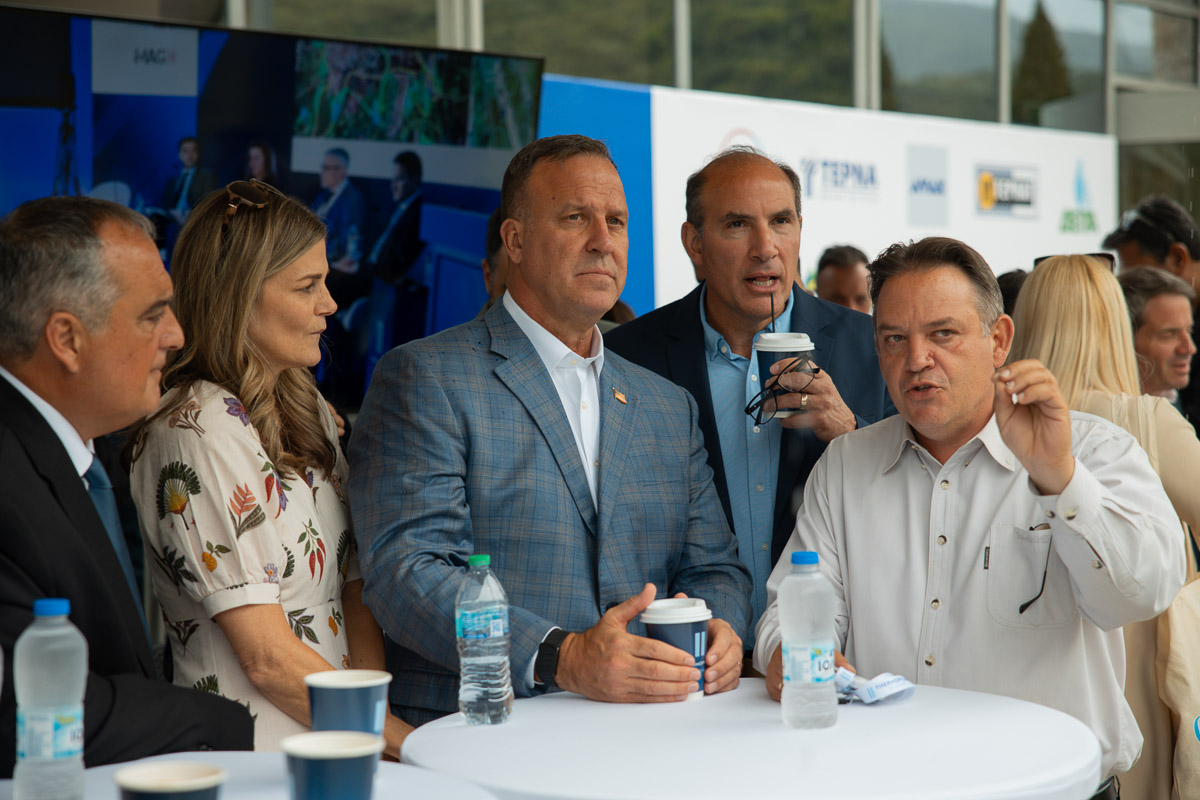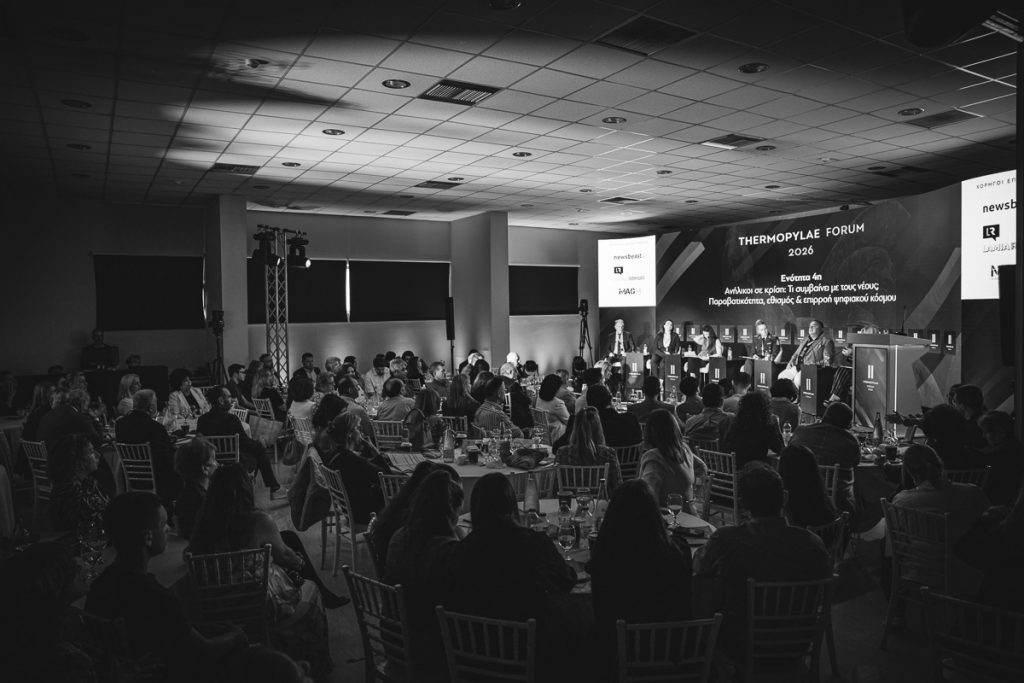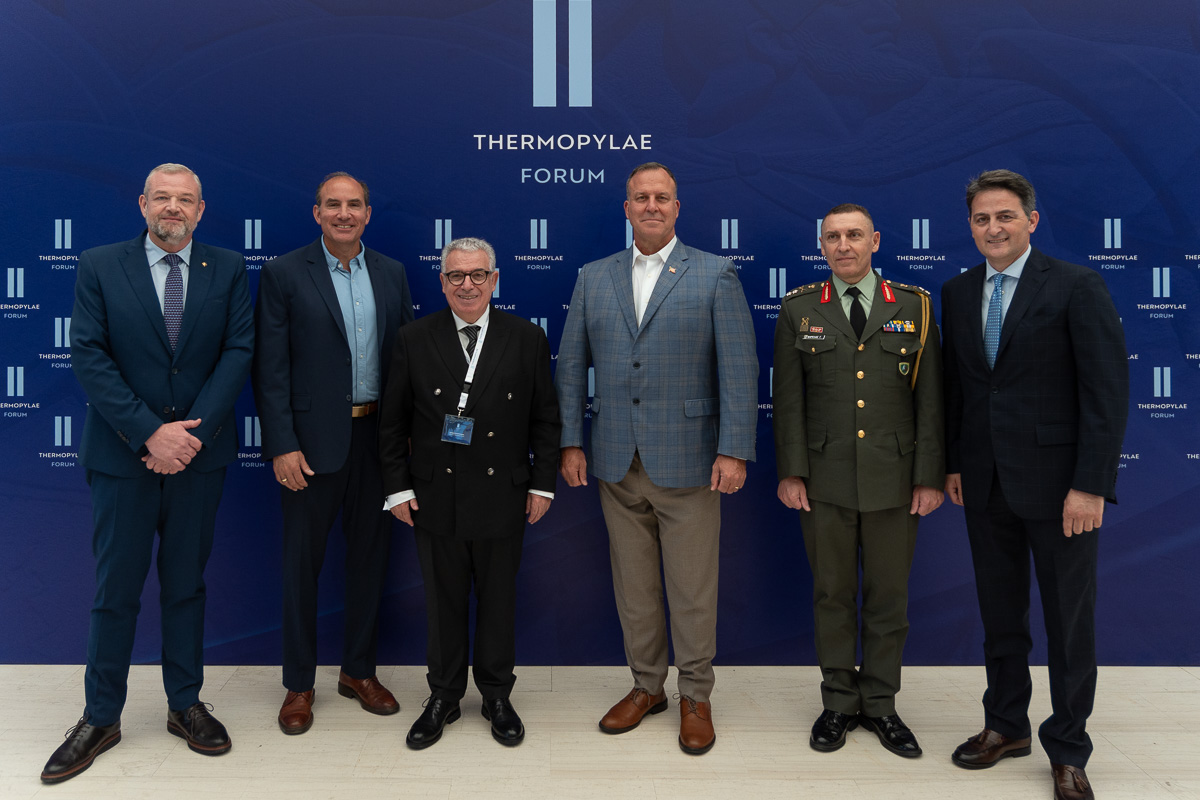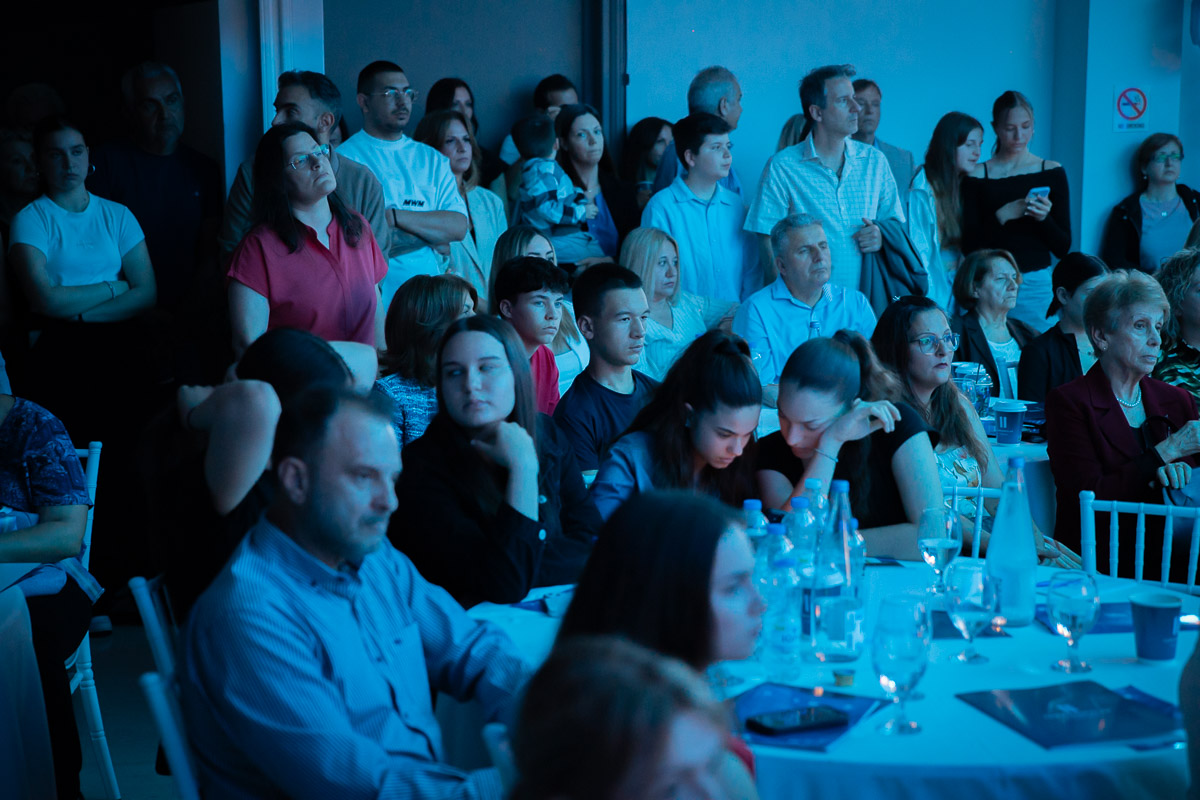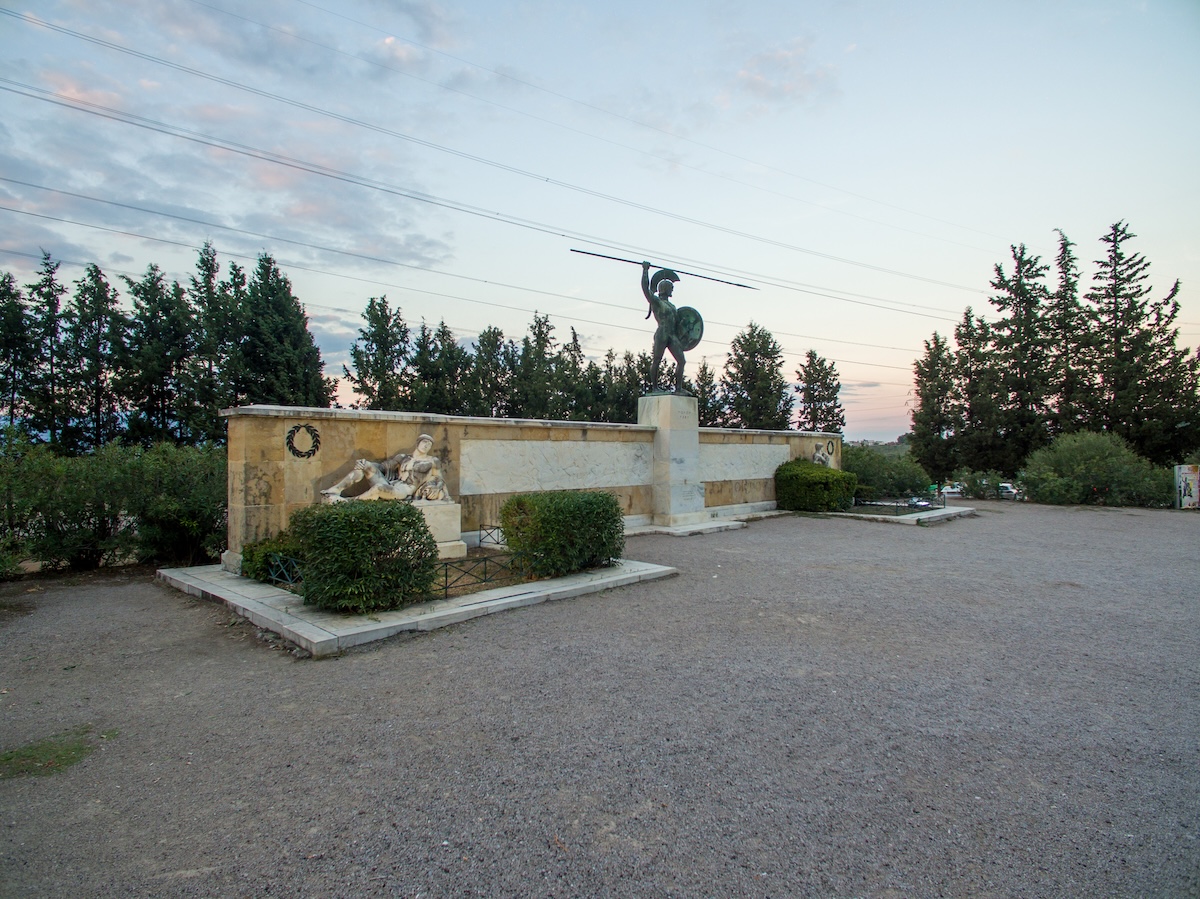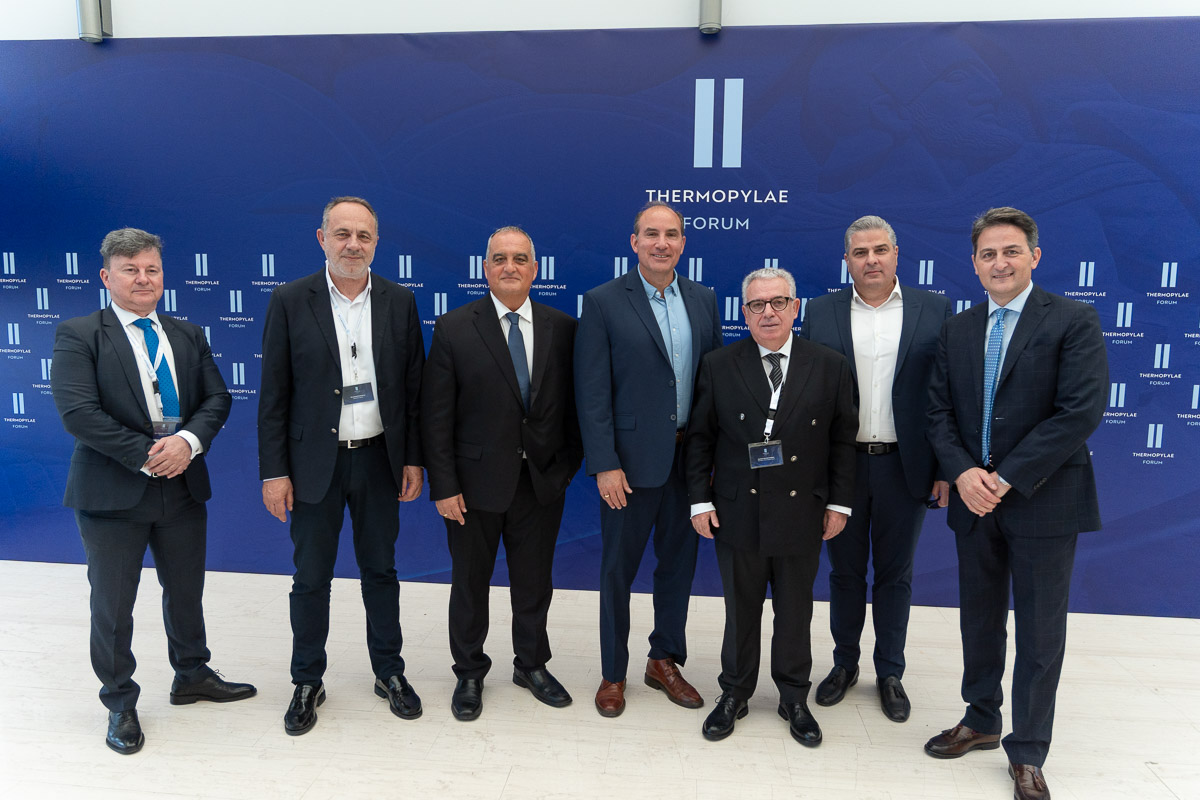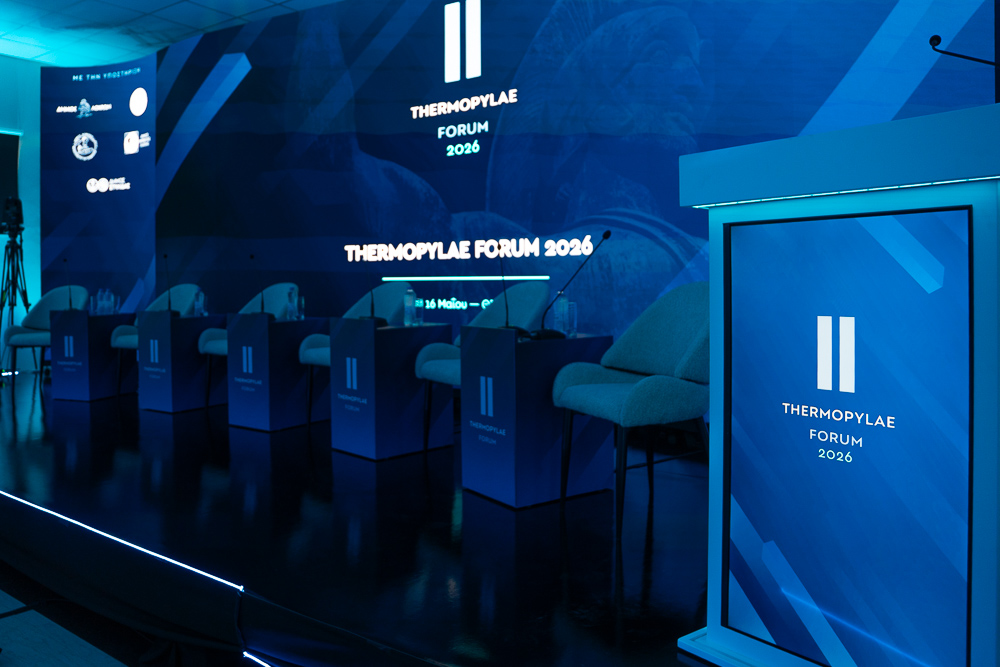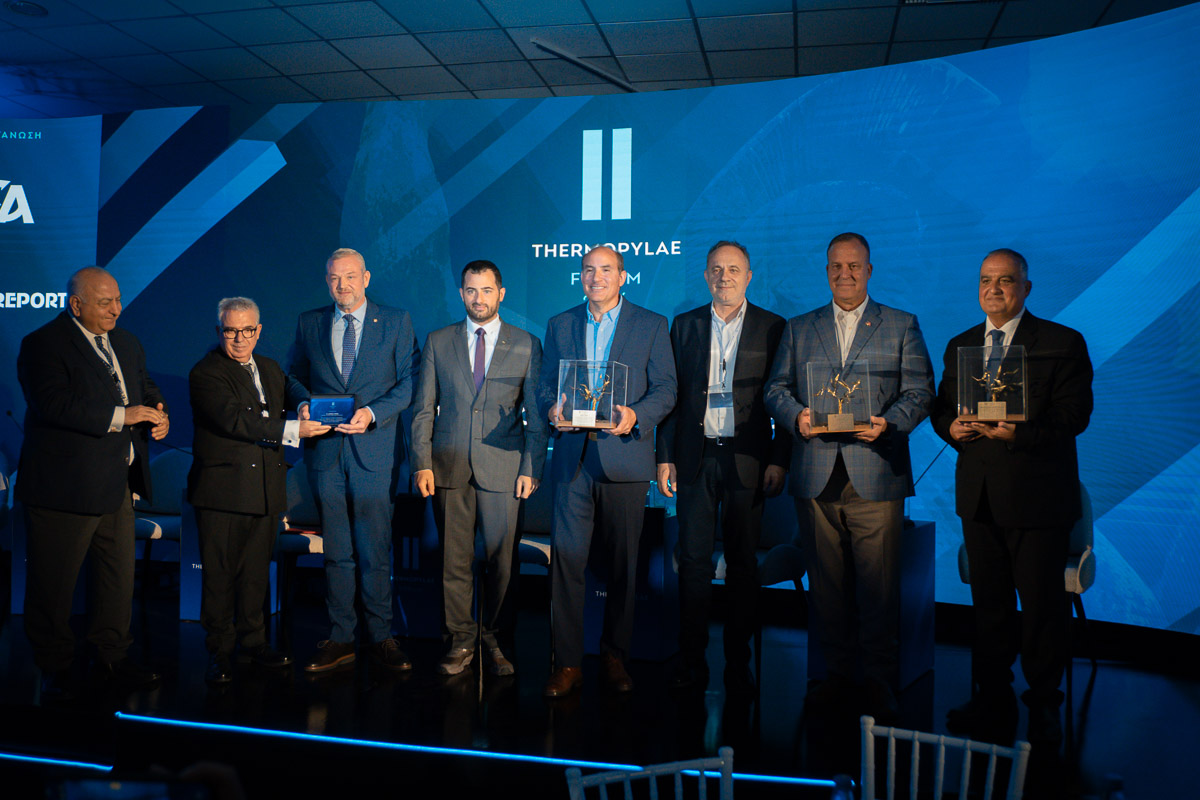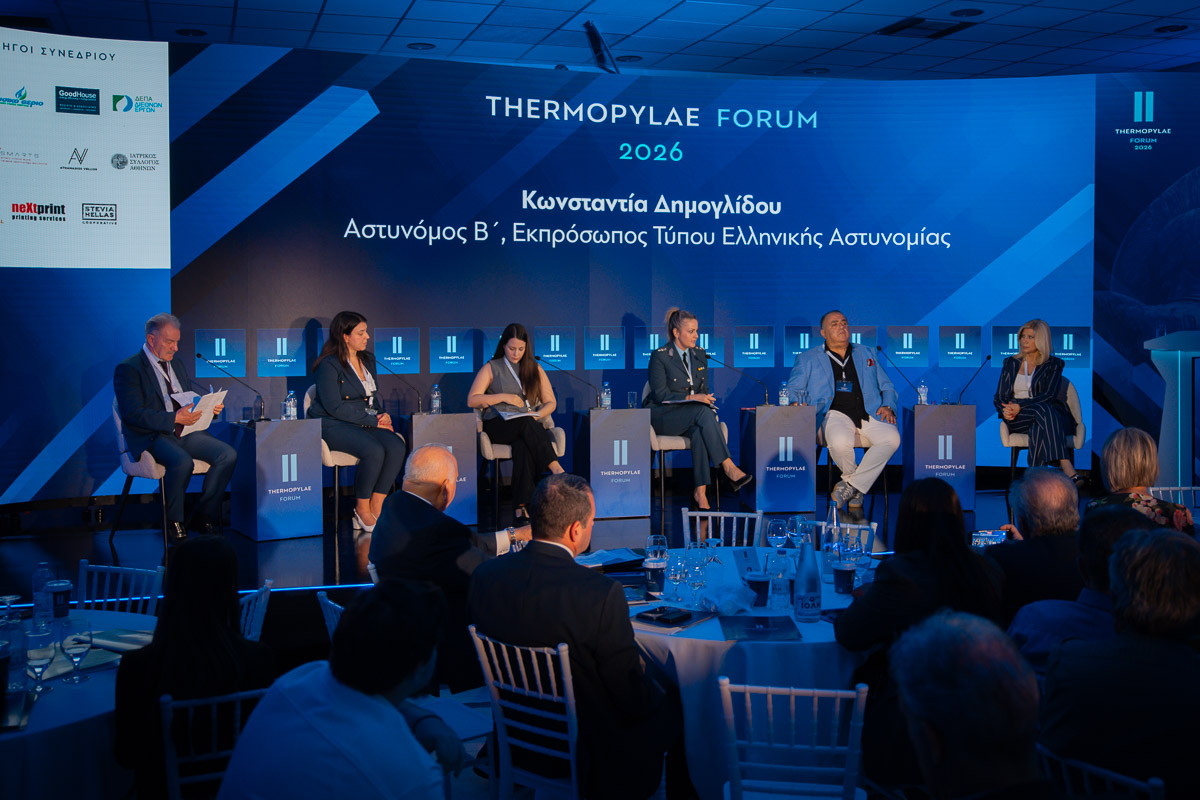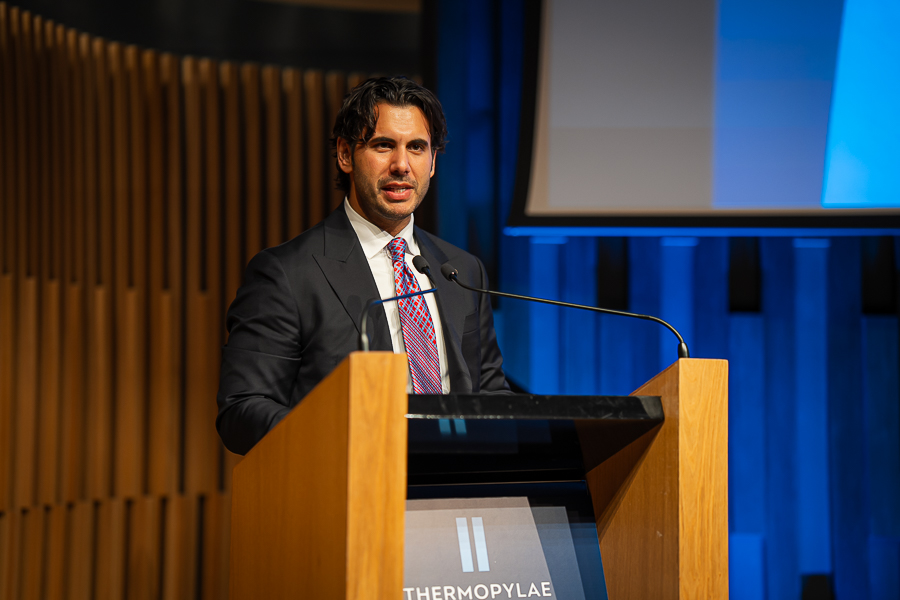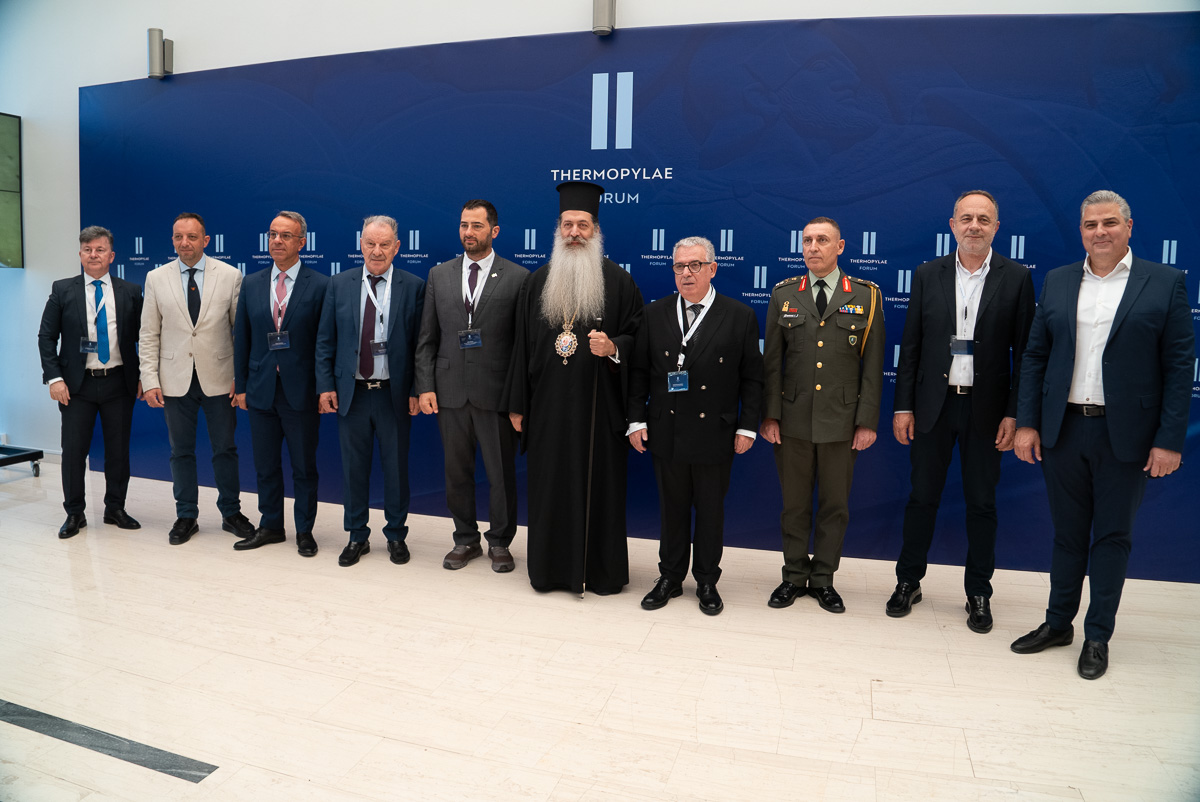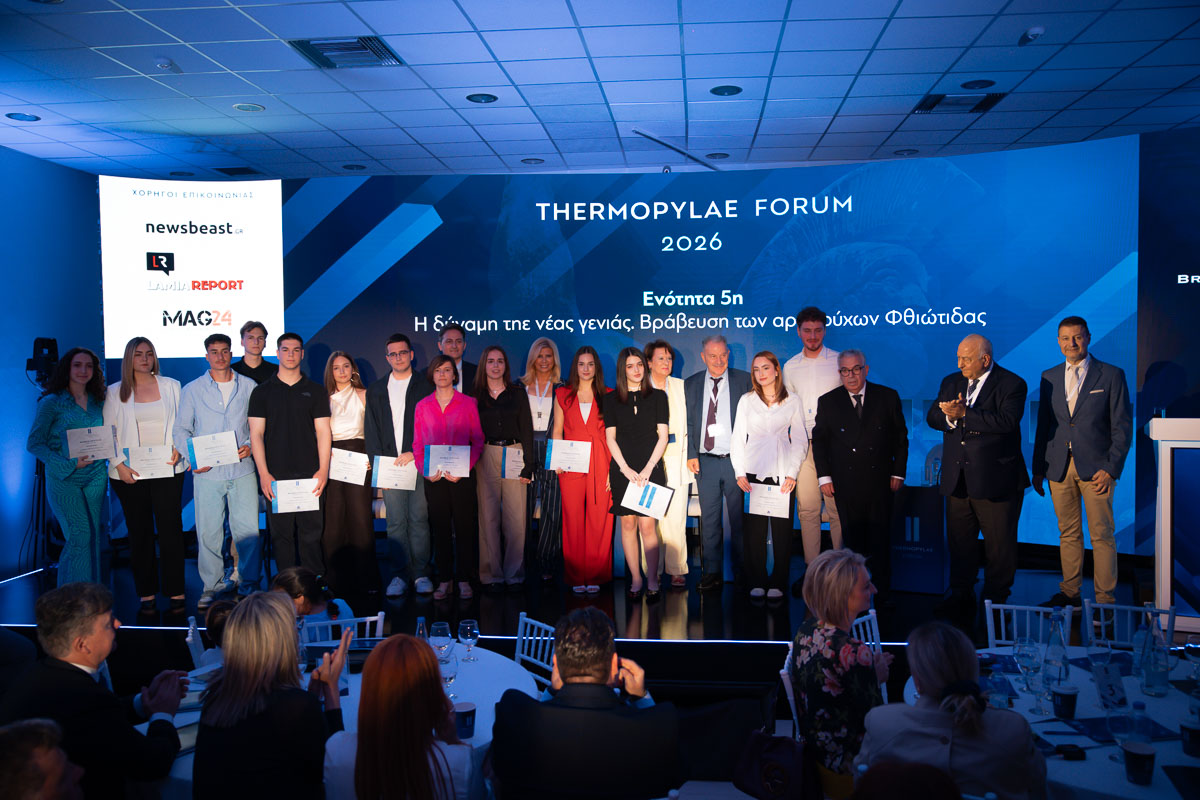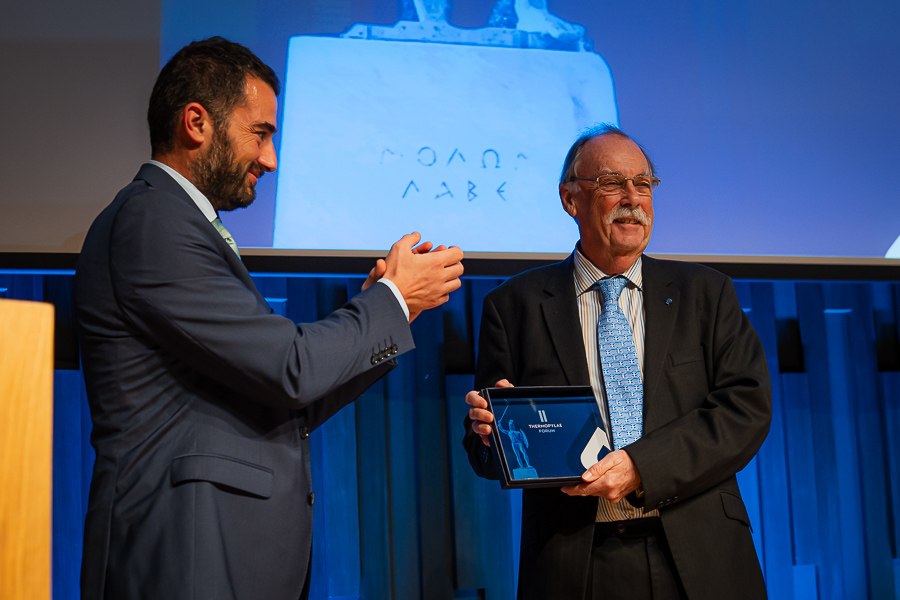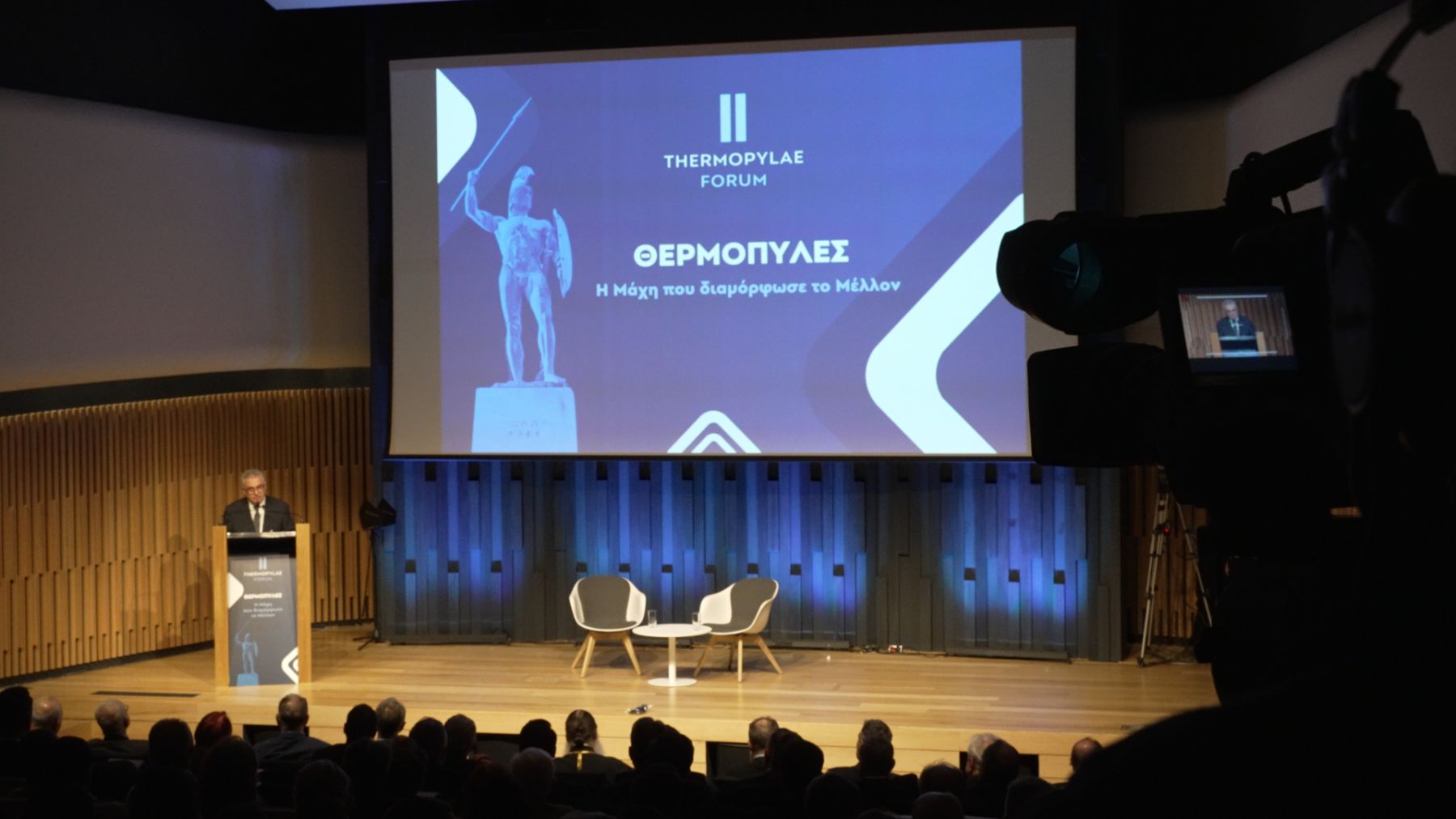
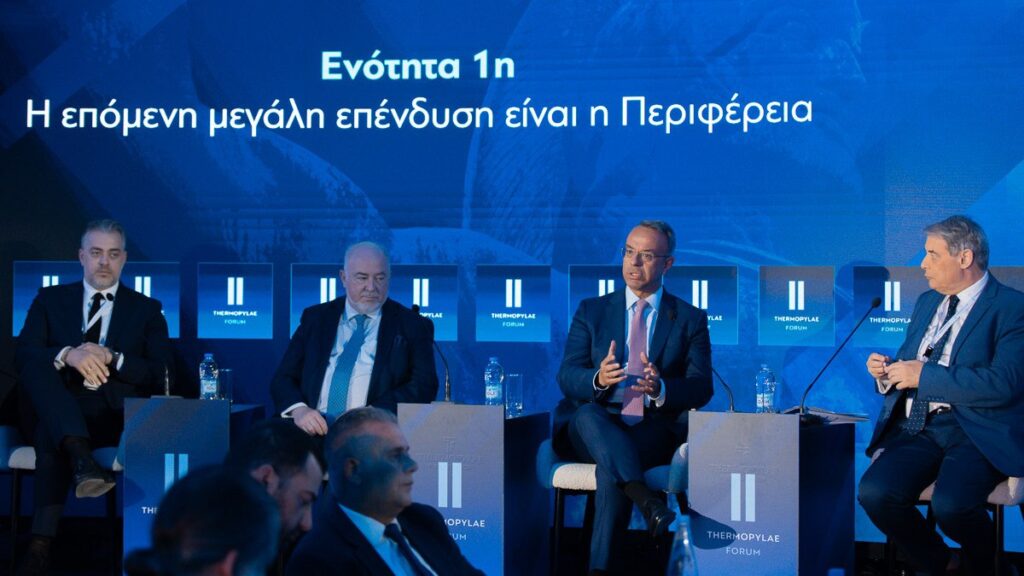
“The next major investment is the Region” was the title of the first thematic session of the Thermopylae Forum 2026, taking place today, Saturday, May 16, at the Innovative Centre of Historical Information of Thermopylae, with the participation of distinguished figures from the fields of science, entrepreneurship and the media.
The conference seeks to transform ideas, partnerships and public dialogue into meaningful initiatives with a tangible impact on the region and society.
Within the framework of the first session, the issue of regional development emerged as a central axis of public discussion, with emphasis on the role of infrastructure, the productive base, investment attraction and the strengthening of the local economy.

The interventions revolved around the network of relations between the public and private sectors, the contribution of financial tools to boosting entrepreneurship, as well as the challenges that regional economies continue to face, such as human resources, specialisation and population retention.
At the same time, issues were brought to the table concerning the restructuring of the productive model, the utilisation of local comparative advantages — such as infrastructure, natural resources and tourism — as well as the role of innovation, manufacturing and the energy and digital transition in regional development.

More specifically:
New Democracy MP for Fthiotida Christos Staikouras stated that regional development is a key priority for the government. “In order to achieve it, we must create the conditions for the public sector, together with the private sector, to lead a Region towards what we call a ‘developed Region’. Steps of progress have been made, for example in road infrastructure. Lamia and Fthiotida have the best road network in the country. They have road axes that help the private sector move with ease and safety,” he stressed.

He added: “Secondly, the region has assets, such as its ports. For the first time, the Recovery Fund is providing significant resources to be invested in the port of Stylida, for its deepening and utilisation. This is important because a commercial port can give the private sector greater degrees of freedom to invest and create even more jobs.
Thirdly, for a family to remain in the province, better healthcare infrastructure is needed. In terms of healthcare infrastructure in Fthiotida, over the past seven years more investments have been made in this sector than in any other prefecture in the country. The Oncology Unit in Lamia is being developed, the most expensive Emergency Department ever created in any hospital in the country has been completed, the multipurpose medical centre in Raches was created, the entire Stylida Health Centre is being upgraded, the Kamena Vourla Health Centre began operating in 2019, and the Region is developing the Health Centre in Thermopylae.”

On the other hand, he noted that “we have fallen behind in terms of human resources, particularly doctors. Despite successive efforts to attract doctors to the province, we have not achieved the results we would have liked. Beyond healthcare, however, there is also education, where many important interventions have been made in schools and continue to be implemented. At the university level, the creation of student residences and new infrastructure is also moving forward, while a new department is being established. We have taken steps forward. However, we need to accelerate public works that are supported by Public-Private Partnership contracts.”
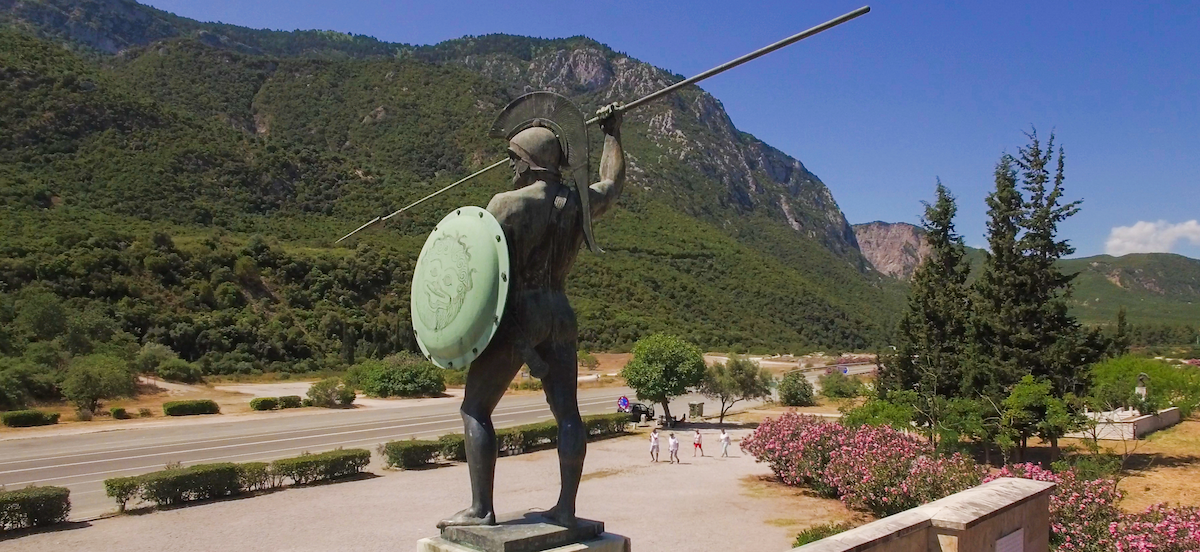
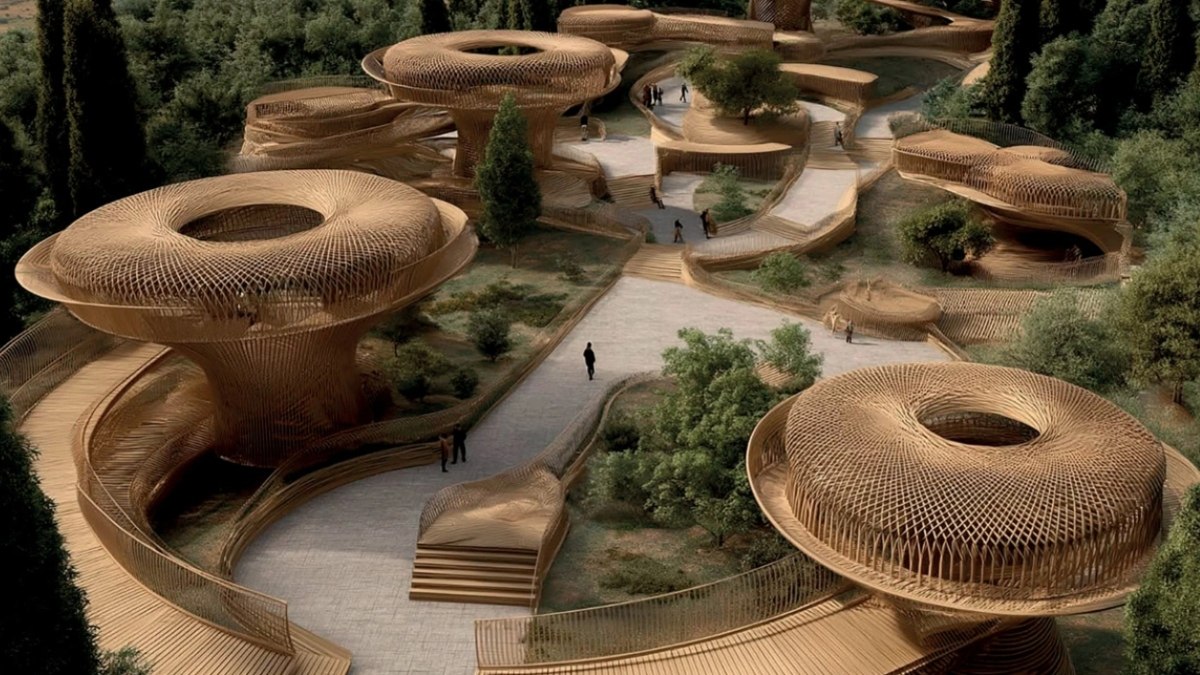
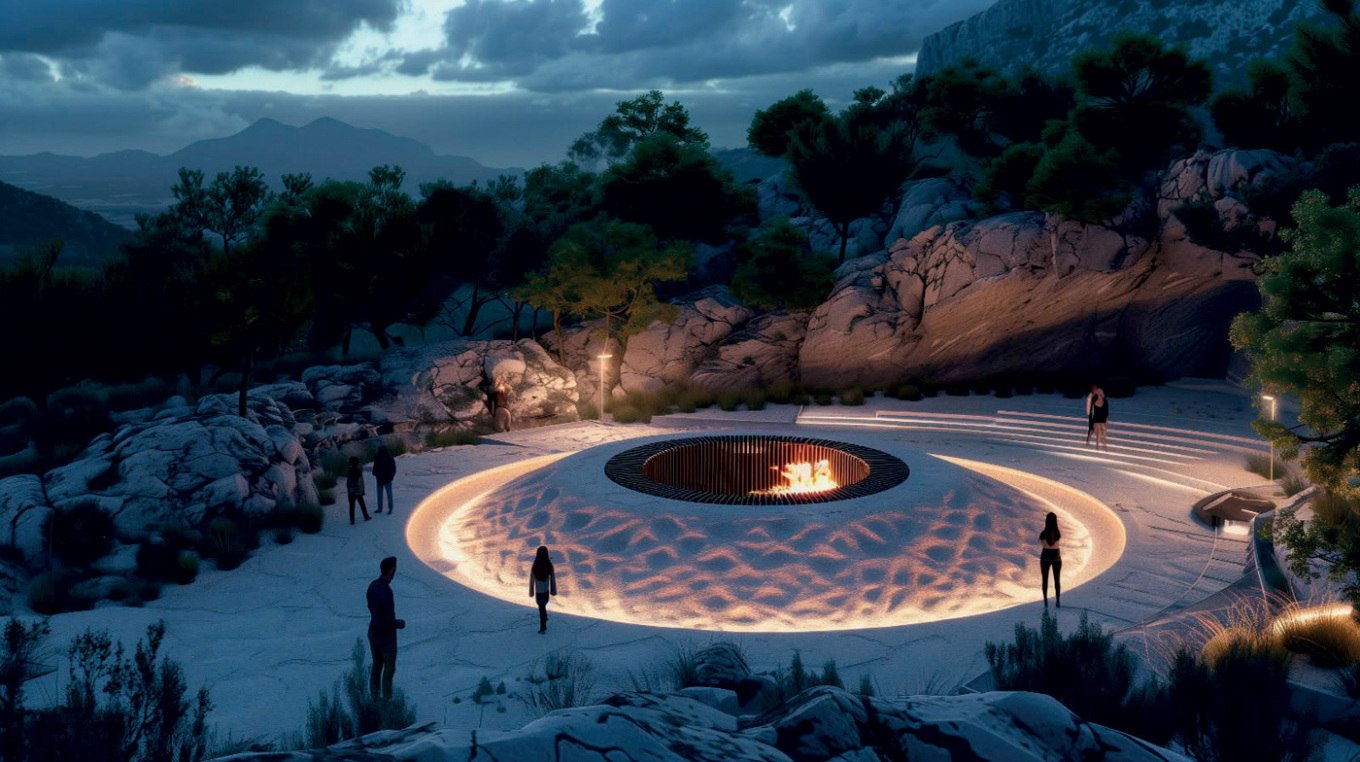
Finally, he said that, for the first time, public tenders have been launched for the utilisation of natural resources, such as thermal springs, adding that, among other initiatives, the utilisation of the site where the conference is being held — here in Thermopylae — is also moving forward.

For his part, the President of the Hellenic Development Bank of Investments, Haris Lambropoulos, noted: “As a financial institution, we have the obligation and responsibility to manage funds entrusted to us by the Greek State, which we channel into investment funds — funds that are, in turn, invested in Greek entrepreneurship. Today, we manage a total of €2.25 billion in public funds.
We are the perfect example of a public-private partnership, because once a candidate management team — the fund managers — has passed a thorough evaluation, they must also raise private capital. This creates a leverage ratio: for every €1 we invest in the funds, another €1.30 is raised at fund level. Therefore, the fund manages a total of €2.30.”

He added: “Consider that every euro invested by the funds now creates added value of €6.65, and €23.23 in the real economy. Therefore, there is existing momentum in our country for entrepreneurship, for startups, and for creating the prospect that young people can remain in their own regions, in the periphery. We must create the conditions for resilient growth.”

Asked which investments are of interest in the region, he replied that “beyond the primary sector and the traditional sectors such as tourism and real estate, provided that the necessary preliminary planning has been made and the right infrastructure is developed, there is very strong interest in the development of the primary sector and manufacturing more broadly.
Our country is trying to take a leading role in becoming an energy hub in Southeastern Europe. The second goal is to become a digital hub through data centres, while the third pillar is for Greece to place emphasis on upgrading skills, the quality of human capital and innovation.”

The President of the Fthiotida Chamber of Commerce, Chrysostomos Karellis, noted: “We recently carried out a data analysis of our registry in order to examine what types of businesses exist in our region. It was found that the largest percentage consists of small and very small enterprises. Most businesses in our region operate in trade and services, followed by manufacturing at a lower percentage.
We mainly have sole proprietorships and small businesses. Few are sociétés anonymes or third-category companies. Therefore, we are dealing with an entrepreneurial landscape that is largely small-scale, and we must give these businesses the tools and opportunities to grow.”

And this will be achieved through “guidance from the central government, but also through our own coordination around a development plan that we will all have agreed upon. The Forum we are attending today is being held on the initiative of Mr. Konstantopoulos, a private initiative linked to the development of Thermopylae. Thermopylae is perhaps the second greatest brand name our country possesses.”

Independent MP for Fthiotida Ioannis Sarakiotis agreed with Mr. Karellis that “we must all agree on the productive model we want and precisely on the investments we seek. The Prime Minister’s latest announcement of a major investment in our country was made about a month ago, during a meeting with the French President. It concerns a €215 million investment for nine new wind farms in the Atalanti area. I do not know with whom he agreed — with the Region of Central Greece? I do not know whether anyone in Fthiotida agrees with this investment.
When I hear about a major investment, the first thing I think of is new jobs. This specific investment, however, will not create new jobs, so what kind of major investment are we talking about? In the previous period, the Region had made public its intention to take initiatives in order to place a limit on wind farms. I would have expected the Prime Minister to announce a different investment, such as, for example, an investment in the area where the LARCO factory was located, which employed 1,000 workers.”

According to Mr. Sarakiotis, growth is not for everyone and, unfortunately, in many sectors our country has been taking steps backwards in recent years, citing, among other examples, the housing crisis faced by young people today.

Finally, Konstantinos Patiris, member of the Board of the Association of Industries of Thessaly and Central Greece and Founder & CEO of NEFI, underlined that “in order for a business or an industry to leave the centre and move to the region, there must be basic infrastructure in place, which the Greek State must develop.”

At the same time, there must also be trained personnel and a strong banking system. If these three basic pillars exist, businesses will clearly be able to proceed with relocating.
Across Greece, there is an issue with specialised personnel, and people must be trained in this field. As far as the banking system is concerned, it needs to start changing somewhat — to believe in ideas and entrepreneurial visions so that it can finance them,” he said, while also making special mention of the tax incentives that should be in place.

The discussion was moderated by Iordanis Hasapopoulos, Director of the newspaper Vradyni tis Kyriakis and journalist at MEGA.

Watch the 1st Session:
Thermopylae Forum 2026: